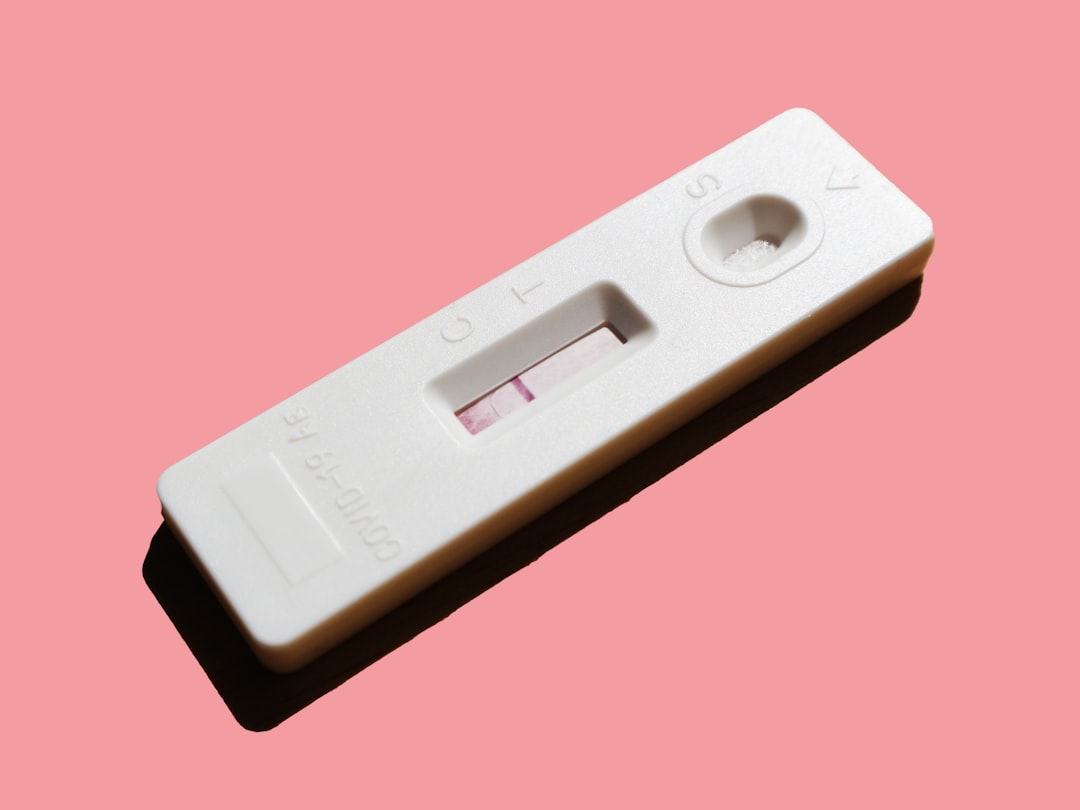
The Promise of Non-Invasive Diagnostics
The landscape of medical diagnostics is on the cusp of a significant transformation with the development of groundbreaking urine tests designed to identify early markers for debilitating conditions such as breast cancer, endometriosis, and Polycystic Ovary Syndrome (PCOS). This pioneering approach promises a future where screening for these prevalent health issues could become remarkably simpler, less invasive, and potentially more accessible, offering a beacon of hope for millions worldwide. The ability to detect these conditions earlier could lead to more effective treatments, improved patient outcomes, and a significant reduction in the physical and emotional toll associated with delayed diagnosis.
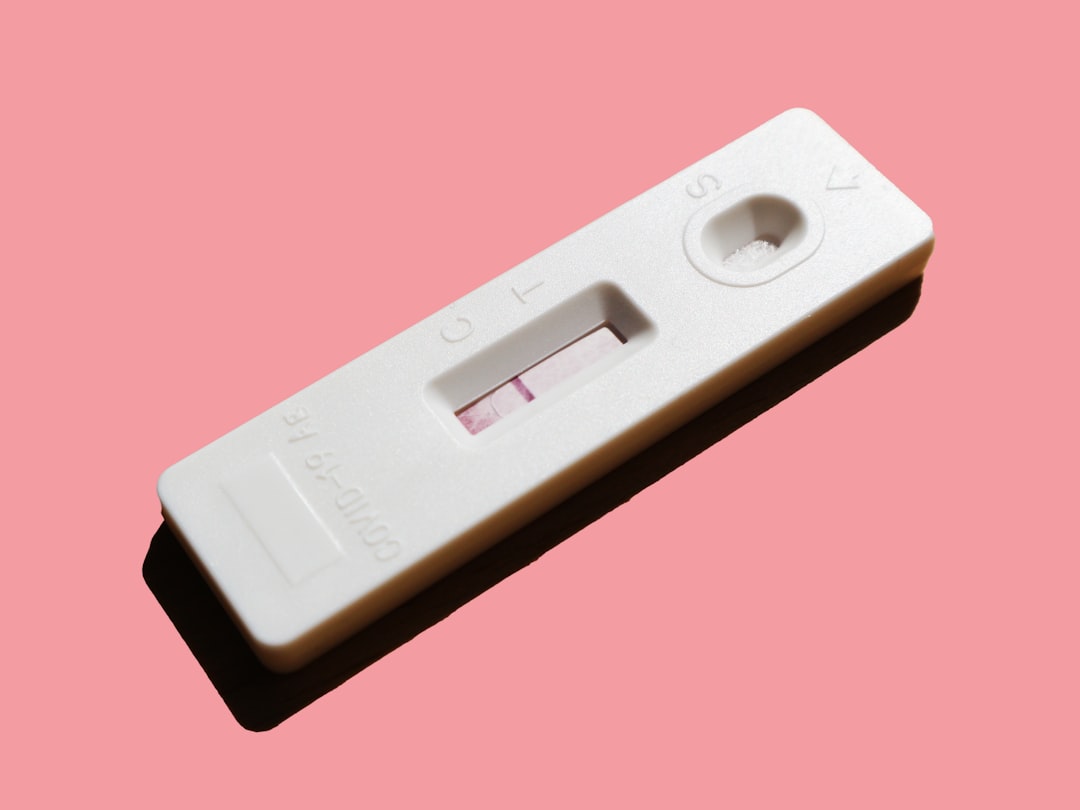
For too long, the diagnostic journeys for these conditions have been fraught with challenges. Breast cancer, while benefiting from mammography, still sees many cases detected at later stages, or in younger women for whom mammograms are less effective. Endometriosis often suffers from an average diagnostic delay of 7-10 years, requiring invasive surgical procedures for confirmation. PCOS, a common hormonal disorder, frequently presents with a constellation of symptoms that can be difficult to pinpoint, leading to prolonged uncertainty for patients. These new urine-based methods seek to address these critical gaps, leveraging the body's own biological signals found in urine to provide crucial insights into health status without the need for complex or uncomfortable procedures.
Current Challenges in Early Detection
Existing diagnostic methods, while vital, often come with inherent limitations. Mammograms, the gold standard for breast cancer screening, involve radiation exposure and can be uncomfortable, leading to compliance issues for some women. Furthermore, their sensitivity can be reduced in women with dense breast tissue. Endometriosis diagnosis typically necessitates a laparoscopic procedure, an invasive surgery that carries risks and significant recovery time. PCOS diagnosis relies on a combination of symptom analysis, blood tests for hormone levels, and ultrasound scans, a process that can be protracted and inconclusive in its initial stages. The development of non-invasive, early detection tools therefore represents a paradigm shift, potentially saving lives and significantly enhancing the quality of life for those affected.
Unveiling Biomarkers: How Urine Tests Work
At the heart of these revolutionary urine tests lies the ability to detect specific biomarkers – biological molecules whose presence or concentration indicates a particular disease state or physiological process. Urine, a readily available bodily fluid, serves as a rich reservoir of these biomarkers, reflecting the metabolic activity and overall health of an individual. As the body processes nutrients and eliminates waste, various compounds, including proteins, metabolites, and genetic material, are filtered through the kidneys and excreted in urine. Changes in these compounds can signal the onset or progression of disease long before overt symptoms appear.
The science behind these new tests involves highly sensitive analytical techniques, such as mass spectrometry and advanced molecular profiling. Researchers are meticulously studying urine samples from individuals with and without these conditions to identify unique patterns or specific molecules that act as signatures for breast cancer, endometriosis, or PCOS. These molecular fingerprints, often present in minute quantities, can provide crucial diagnostic information. The non-invasive nature of urine collection makes it an ideal medium for widespread screening, reducing barriers to testing and potentially improving public health outcomes.
The Power of Metabolites and Proteins
One primary focus in this research is on metabolites, which are small molecules produced during the body's metabolic processes. Diseases can alter these metabolic pathways, leading to distinct changes in the types and quantities of metabolites found in urine. For example, specific metabolic shifts could indicate the presence of cancerous cells or the inflammatory processes associated with endometriosis. Similarly, variations in certain proteins or their fragments found in urine can also serve as powerful indicators. Advanced technologies allow scientists to analyze thousands of these molecules simultaneously, creating a comprehensive profile that can be matched against disease-specific patterns. This sophisticated approach moves beyond simple single-marker detection, embracing a holistic view of the body's biochemical state to identify complex conditions with greater accuracy.
Specific Conditions Targeted: Breast Cancer, Endometriosis, and PCOS
The potential applications of these urine tests span across several critical areas of women's health, offering distinct advantages for each condition they aim to detect.
Transforming Breast Cancer Screening
Breast cancer remains a leading cause of cancer-related deaths among women globally. While mammography has been instrumental in early detection, it has limitations, particularly for younger women or those with dense breast tissue, where tumors can be harder to spot. A urine test could complement or even, in some scenarios, offer an alternative to mammograms, especially for routine screening or for populations where access to mammography is limited. The vision is a simple, at-home collection that could flag individuals at risk, prompting further investigation and significantly increasing the chances of detecting cancer at its earliest, most treatable stages. This non-invasive, radiation-free method could revolutionize how women engage with breast cancer screening, making it a less daunting and more frequent possibility.
A New Hope for Endometriosis Diagnosis
Endometriosis, a chronic and often painful condition where tissue similar to the lining of the uterus grows outside the uterus, affects millions of women. Its diagnosis is notoriously challenging, often taking many years and requiring invasive laparoscopic surgery. This delay can lead to prolonged suffering, irreversible organ damage, and significant impacts on fertility and quality of life. A urine test for endometriosis would be a monumental breakthrough, offering a quick, non-invasive method to screen for the condition. Early detection could empower patients and clinicians to initiate treatment much sooner, managing symptoms more effectively, and potentially preventing the progression of the disease. Such a test could drastically reduce the diagnostic odyssey currently faced by women with endometriosis, providing answers and relief much earlier.
Streamlining PCOS Identification
Polycystic Ovary Syndrome (PCOS) is one of the most common hormonal disorders affecting women of reproductive age, characterized by symptoms like irregular periods, excess androgen levels, and polycystic ovaries. Diagnosing PCOS can be complex and time-consuming, often requiring a combination of clinical assessment, blood tests, and ultrasound scans. A simple urine test could streamline this process, offering an early and accurate screening tool to identify women who may have PCOS. This could lead to earlier intervention for managing symptoms, addressing fertility concerns, and mitigating long-term health risks associated with PCOS, such as type 2 diabetes and cardiovascular disease. For a condition that often goes undiagnosed or misdiagnosed for years, a straightforward urine test would be a significant advancement in patient care.
The Road Ahead: Challenges and Future Implications
While the potential of these urine tests is immense, their journey from the laboratory to widespread clinical use involves several critical steps and challenges. The development process is rigorous, demanding extensive validation and regulatory approval to ensure accuracy, reliability, and safety.
From Lab to Clinic: Validation and Regulation
The foremost challenge lies in the comprehensive validation of these tests through large-scale clinical trials. These trials must demonstrate not only the high sensitivity (ability to correctly identify those with the disease) and specificity (ability to correctly identify those without the disease) of the tests but also their reproducibility across diverse populations. Regulatory bodies, such as the FDA in the United States or the EMA in Europe, will require robust evidence of clinical utility and accuracy before granting approval for widespread use. This process can be lengthy and expensive, requiring significant investment in research and development. Furthermore, establishing clear guidelines for how these tests integrate into existing diagnostic pathways will be crucial for their successful adoption by healthcare providers.
Broadening Access and Impact on Healthcare Systems
Once validated and approved, these non-invasive urine tests hold the power to revolutionize public health by broadening access to early detection. Their simplicity and potential for at-home collection could dramatically increase screening rates, particularly in underserved communities or regions with limited access to specialized medical facilities. This could lead to a reduction in healthcare disparities and contribute to a more proactive approach to health management. The economic implications are also substantial; early detection often translates to less aggressive and less costly treatments, potentially easing the financial burden on healthcare systems globally. By shifting the paradigm from late-stage intervention to early, preventative action, these urine tests could become a cornerstone of future health monitoring strategies, empowering individuals with greater control over their health destiny.
A Glimpse into the Future of Health Monitoring
The advent of these 'game-changing' urine tests represents a significant leap forward in diagnostic medicine. By offering a non-invasive, accessible, and potentially earlier method for detecting breast cancer, endometriosis, and PCOS, they promise to transform patient care. While challenges remain in their development and widespread implementation, the prospect of such a simple yet powerful tool for health monitoring offers undeniable hope for a future where early detection is not just an aspiration but a routine reality, ultimately leading to healthier lives for millions of women.