
A critical public health operation is currently underway following a serious meningitis outbreak that has tragically claimed two lives. Health authorities have initiated a widespread vaccination campaign, with thousands of individuals receiving the preventative jab in an effort to contain the spread of the disease. Experts are closely monitoring the situation to determine if the outbreak has reached its peak and to assess the effectiveness of the rapid intervention.
The cluster of cases, which includes the two fatalities, is believed to have originated from a popular nightclub venue in Canterbury. This identification has been crucial in guiding the targeted vaccination efforts, focusing on individuals who may have been exposed in this specific setting or who are otherwise deemed to be at heightened risk. The swift response underscores the urgent nature of meningitis, a condition that can progress rapidly and lead to severe complications or death if not promptly addressed.
Urgent Public Health Response: Meningitis Outbreak Prompts Mass Vaccination Effort
The immediate and decisive actions taken by public health bodies highlight the serious threat posed by meningococcal disease. Upon identifying the cluster of cases and the tragic deaths, an extensive public health alert was issued. The focus quickly shifted to preventing further transmission, particularly within the community linked to the suspected origin point.
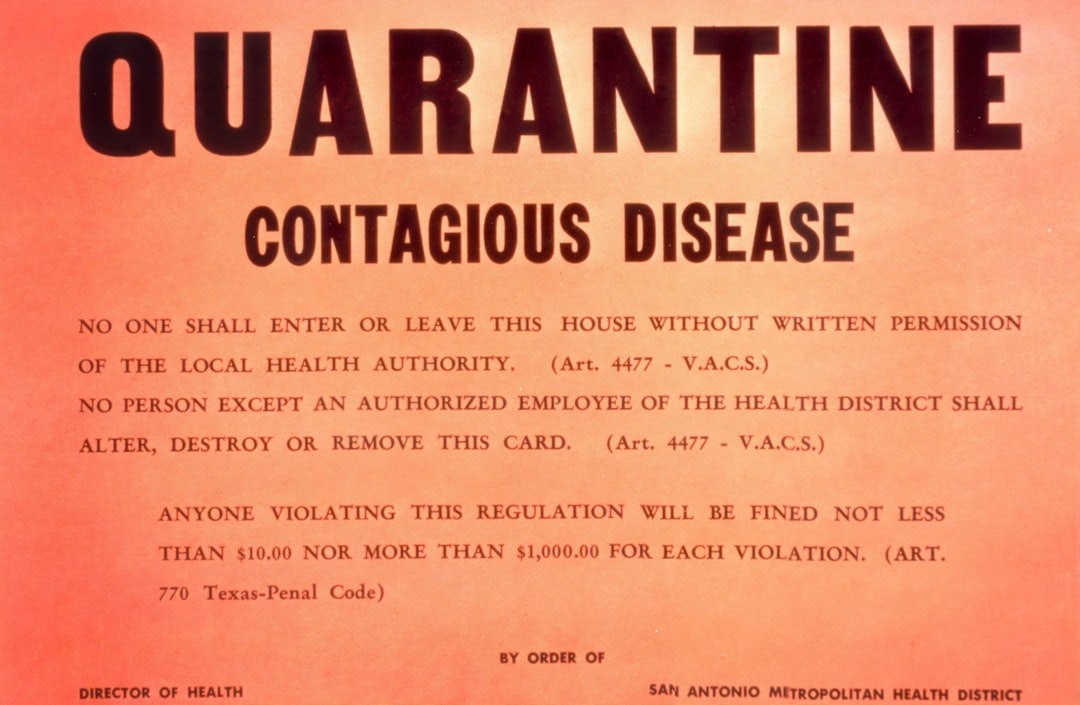
Tracing the Outbreak's Origins
Investigations swiftly pointed towards a nightclub in Canterbury as a potential epicenter for the outbreak. Such venues, characterized by large gatherings and close contact among individuals, can unfortunately facilitate the rapid transmission of airborne pathogens like those causing meningitis. Health officials meticulously gathered data, including contact tracing information, to pinpoint potential exposure pathways and identify individuals who might have been exposed to the bacteria.
This critical detective work allowed for a highly targeted and efficient response, ensuring that resources, particularly vaccine doses, were directed to those most in need. Understanding the specific strain of meningitis involved has also been paramount, enabling medical professionals to select the most effective vaccine and treatment protocols. The swiftness of this investigation played a pivotal role in shaping the subsequent public health strategy.
The Immediate Vaccination Drive
In response to the identified risk, a comprehensive vaccination program was rolled out with unprecedented speed. Thousands of people, primarily those who frequented the implicated nightclub or who were in close contact with confirmed cases, were urged to come forward for vaccination. Vaccination clinics were established quickly, often operating extended hours to accommodate the high demand and ensure accessibility for the target population.
The primary goal of this mass vaccination drive is to create a protective barrier within the community, reducing the likelihood of further infections and ultimately bringing the outbreak under control. It's a race against time, as the vaccine takes a period to become fully effective, and continued vigilance is required throughout this critical phase. Public awareness campaigns, utilizing various media channels, were also launched to inform residents about the symptoms of meningitis and the importance of vaccination.
Understanding Meningitis: A Critical Overview
Meningitis is an inflammation of the membranes (meninges) surrounding the brain and spinal cord. It can be caused by various pathogens, including bacteria, viruses, fungi, or parasites. Bacterial meningitis, the type often associated with severe outbreaks and rapid progression, is particularly dangerous and requires immediate medical attention. The consequences of untreated bacterial meningitis can be devastating, leading to brain damage, hearing loss, learning disabilities, limb loss, or even death.
Recognizing the Warning Signs
Early recognition of meningitis symptoms is absolutely crucial for effective treatment and improved outcomes. Unfortunately, the initial symptoms can sometimes be vague and mimic those of common illnesses like the flu, making diagnosis challenging. Key symptoms often include a sudden high fever, severe headache, stiff neck, sensitivity to light (photophobia), confusion, drowsiness, and vomiting. In some cases, a distinctive rash of small, red or purple spots that do not fade under pressure (a 'tumbler test' with a glass) may appear, indicating a severe form of the disease.
It is important to note that not all symptoms may be present, and symptoms can vary by age. Infants, for example, might exhibit irritability, poor feeding, a bulging soft spot on their head, or an unusual cry. Anyone experiencing a combination of these symptoms, especially if there's a possibility of exposure, should seek urgent medical advice without delay. Time is of the essence when dealing with suspected meningitis.
Different Forms and Transmission
While bacterial meningitis, often caused by Neisseria meningitidis (meningococcus), is the most concerning due to its severity and potential for outbreaks, viral meningitis is more common and generally less severe. Viral forms typically resolve on their own, though they can still cause significant discomfort. Fungal meningitis is rare and usually affects individuals with compromised immune systems.
Bacterial meningitis is typically spread through close, prolonged contact with an infected person, such as kissing, coughing, sneezing, or sharing eating and drinking utensils. The bacteria live naturally in the nose and throat of about 10% of the population without causing illness, but under certain conditions, they can invade the bloodstream and cause serious disease. This explains why crowded environments like nightclubs can be settings for transmission.
Diagnosis and Treatment Pathways
Diagnosing meningitis usually involves a combination of clinical assessment, blood tests, and a lumbar puncture (spinal tap) to analyze the cerebrospinal fluid (CSF). The CSF analysis helps determine the type of meningitis and guides treatment decisions. For bacterial meningitis, prompt administration of intravenous antibiotics is vital. Early treatment significantly improves the chances of recovery and reduces the risk of long-term complications. Hospitalization is typically required for close monitoring and supportive care, which may include managing fever, pain, and ensuring adequate hydration.
The Power of Prevention: Why Vaccination is Key
Vaccination stands as one of the most effective tools in preventing meningitis and controlling outbreaks. Proactive immunization programs have dramatically reduced the incidence of various types of meningitis globally. In the face of an active outbreak, targeted vaccination becomes an indispensable strategy to protect vulnerable populations and halt the disease's progression.
Types of Meningitis Vaccines
There are several types of meningitis vaccines, each designed to protect against specific strains of the bacteria. The most common vaccines available include: Meningococcal ACWY vaccine (protects against serogroups A, C, W, and Y), Meningococcal B vaccine (protects against serogroup B), and the Hib vaccine (protects against Haemophilus influenzae type b, another cause of bacterial meningitis). The choice of vaccine in an outbreak scenario depends on the specific strain identified as causing the infections.
It is important for individuals to be aware of which vaccines they or their children have received, especially when traveling or in situations of heightened risk. Public health advisories during outbreaks will clearly specify which vaccine is being offered and to whom, ensuring the most appropriate protection is administered.
Ensuring Community Safety
Beyond individual protection, mass vaccination plays a crucial role in establishing 'herd immunity' within a community. When a significant portion of the population is immune, it makes it much harder for the disease to spread, thereby protecting even those who cannot be vaccinated (e.g., due to age or medical conditions). This collective immunity is the cornerstone of effective outbreak control and a testament to the power of public health initiatives.
The ongoing vaccination campaign in Canterbury exemplifies this principle, aiming to quickly build a protective shield around the community. Public cooperation and participation are vital for the success of such efforts, reinforcing the idea that public health is a shared responsibility.
Navigating the Outbreak's Aftermath and Future Vigilance
While the immediate focus is on containment and treatment, public health experts are already looking ahead. The aftermath of an outbreak requires careful management, ongoing monitoring, and a review of lessons learned to strengthen future responses.
Expert Monitoring and Peak Assessment
Health authorities are diligently tracking new case numbers, hospital admissions, and vaccine uptake rates. This data is critical for understanding the trajectory of the outbreak and for determining if the peak has been reached. A decline in new infections following the vaccination drive would be a strong indicator that the intervention is working. However, vigilance must continue for an extended period, as the incubation period for meningitis can vary, and it takes time for the vaccine to confer immunity.
Epidemiologists will continue to analyze patterns, identify any potential new clusters, and assess the overall impact of the outbreak on the community's health. This meticulous monitoring ensures that any resurgence or new development can be addressed swiftly.
Long-Term Public Health Strategies
Beyond the immediate crisis, this outbreak will undoubtedly prompt a review of existing public health protocols and preparedness plans. This may include reassessing vaccination schedules, enhancing surveillance systems, and improving communication strategies for future emergencies. Education remains a cornerstone of long-term prevention, empowering individuals with the knowledge to recognize symptoms and take appropriate action.
Collaborative efforts between local authorities, healthcare providers, and community organizations are essential for building resilient public health infrastructures that can respond effectively to future challenges. The experience gained from managing this current outbreak will be invaluable in refining these strategies.
What to Do If You're Concerned
If you or someone you know has been in close contact with a confirmed case of meningitis, or if you were present at the Canterbury nightclub during the relevant exposure period, it is crucial to follow public health guidance. Even if you have been vaccinated, be aware of the symptoms and seek medical attention immediately if you develop any concerns. Do not wait for a rash to appear. Trust your instincts; if you feel unwell and suspect meningitis, it is always better to err on the side of caution and get checked by a healthcare professional.
Reliable information and advice can typically be found on the websites of national health services or local public health agencies. Staying informed and acting responsibly are the most powerful tools in combating such outbreaks and protecting the well-being of the wider community.