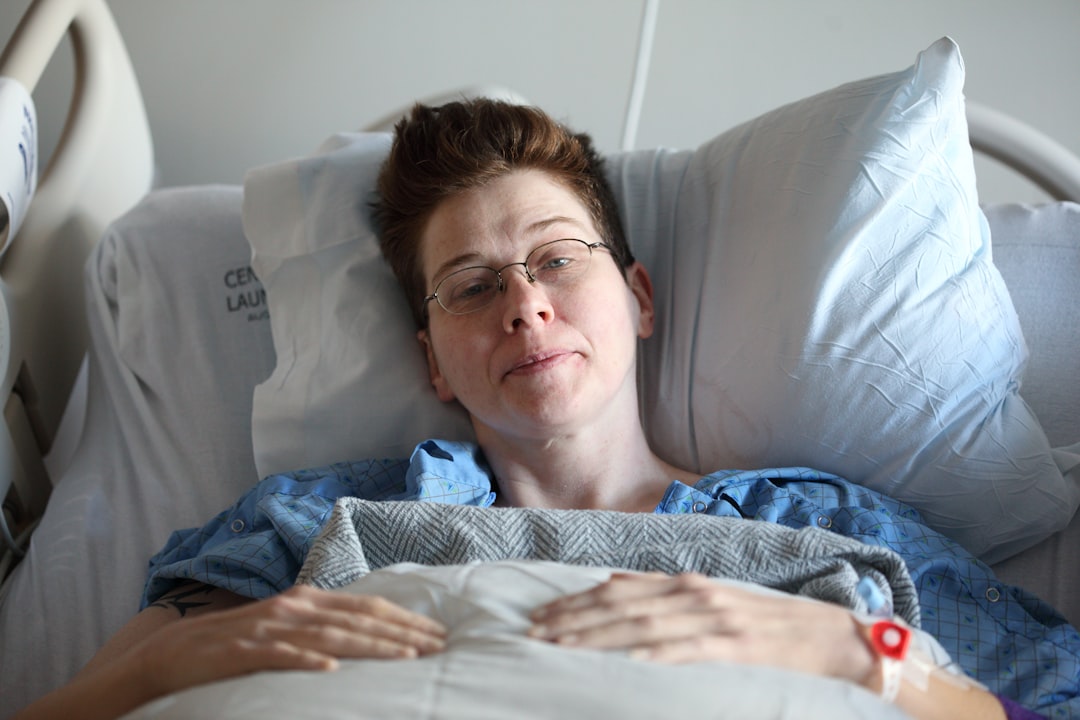
In a devastating turn of events that underscores the critical importance of accurate medical care, a mother tragically succumbed to sepsis following a routine procedure, having been administered incorrect antibiotics. The case of Aleisha Rochester, a bank cashier, has brought into sharp focus the profound consequences of medical errors and the urgent need for robust patient safety protocols within healthcare systems. Her death, occurring just two weeks after a seemingly minor abscess removal, serves as a stark reminder that even routine interventions can have catastrophic outcomes when foundational aspects of patient care, such as correct medication, are compromised.
This heart-wrenching incident not only represents an immense personal loss but also ignites a crucial conversation about the vulnerabilities in medical practice. It forces a re-examination of how medications are prescribed and administered, the efficacy of communication channels within hospitals, and the safeguards in place to prevent preventable deaths from conditions like sepsis. The narrative of Aleisha Rochester's passing is a powerful call to action for both healthcare providers and patients to understand, prevent, and respond effectively to medical errors and the rapid onset of sepsis.
A Preventable Tragedy: The Devastating Impact of Medical Error
The tragic loss of Aleisha Rochester illustrates the profound human cost of medical errors. What began as a routine procedure to address an abscess, a common and typically low-risk intervention, escalated into a fatal outcome due to a critical misstep: the prescription of an inappropriate antibiotic. An abscess is a localized collection of pus, often requiring drainage and subsequent antibiotic treatment to clear the underlying bacterial infection. The success of such treatment hinges entirely on identifying the correct pathogen and administering an antibiotic effective against it.
In Aleisha's case, the failure to provide the appropriate antimicrobial agent allowed the initial infection to rage unchecked, ultimately leading to the development of sepsis. This sequence of events highlights a systemic failure, where the seemingly simple act of prescribing medication became a fatal flaw. For families, these preventable tragedies leave behind an indelible mark of grief and often, unanswered questions about how such a fundamental error could occur in a trusted healthcare environment.
Understanding Sepsis: A Silent Killer Magnified by Missteps
What is Sepsis?
Sepsis is a life-threatening condition that arises when the body's response to an infection damages its own tissues and organs. It is not an infection itself, but rather the body's overwhelming and toxic reaction to an infection. Without timely and effective treatment, sepsis can lead to tissue damage, organ failure, and death. It can be triggered by any type of infection, from bacterial and viral to fungal, and its symptoms can often be subtle and easily mistaken for other conditions, making early diagnosis notoriously challenging.
The progression of sepsis can be incredibly rapid. What might start as a localized infection can quickly spiral into a systemic inflammatory response, affecting vital organs such as the kidneys, lungs, and heart. Recognizing the early signs – such as fever or hypothermia, rapid heart rate, confusion, shortness of breath, or mottled skin – is paramount. However, even with prompt recognition, the effectiveness of treatment heavily relies on pinpointing the source of infection and deploying the correct interventions, most notably, appropriate antibiotics.
The Critical Role of Antibiotics
Antibiotics are the cornerstone of treatment for bacterial infections. Their effectiveness, however, is not universal; each antibiotic targets specific types of bacteria. When an infection is suspected, doctors often take cultures (samples of blood, urine, or tissue) to identify the exact bacteria causing the infection and determine which antibiotics will be most effective against it. This process is known as 'culture and sensitivity' testing.
Administering the wrong antibiotic is akin to sending a soldier into battle with the wrong weapon. It not only fails to combat the existing infection but can also delay effective treatment, giving the bacteria more time to multiply and spread, and potentially worsen the patient's condition. In cases where a patient is already vulnerable, such as post-procedure, this delay can be catastrophic, paving a direct path to severe sepsis and septic shock, as tragically seen in Aleisha Rochester's case. The right antibiotic, delivered promptly and at the correct dosage, is a critical defense against the escalating threat of infection.
Unpacking the Error: When Protocols Fail
The Specific Miscarriage of Care
The core of Aleisha Rochester's tragedy lies in the administration of an antibiotic that was ineffective against her specific infection. This error can stem from several points in the healthcare chain: an incorrect initial diagnosis, a failure to perform or correctly interpret culture and sensitivity tests, a transcription error during prescription, or even dispensing the wrong medication from the pharmacy. Each step requires meticulous attention to detail and adherence to established protocols. When these fail, the consequences can be dire.
The implication of a 'wrong antibiotic' is not just a missed opportunity for treatment; it signifies a breakdown in the diagnostic and therapeutic process. It suggests a lack of alignment between the identified pathogen and the chosen medication, leaving the patient exposed to a rapidly progressing infection. This highlights the absolute necessity of rigorous medication reconciliation and verification processes at every stage of patient care, from initial assessment to discharge.
Systemic Vulnerabilities in Healthcare
Medical errors, unfortunately, are not isolated incidents but often point to deeper systemic vulnerabilities within healthcare institutions. Factors contributing to such errors can include high staff workloads leading to fatigue and reduced attention to detail, inadequate training on new protocols or complex medications, communication breakdowns between different medical teams (doctors, nurses, pharmacists), and a lack of standardized double-check mechanisms for high-risk procedures like antibiotic prescription.
Furthermore, a culture that discourages reporting errors or learning from mistakes can perpetuate these problems. Instead, healthcare organizations must foster an environment of transparency, where errors are viewed as opportunities for system improvement rather than individual blame. Implementing robust digital prescribing systems, barcode scanning for medication administration, and mandatory 'timeout' procedures before critical interventions can significantly reduce the potential for human error and enhance patient safety.
Safeguarding Patients: Lessons from a Tragic Loss
Empowering Patients and Families
While healthcare providers bear the primary responsibility for patient safety, empowered patients and their families can play a crucial role in preventing adverse events. Being an active participant in one's own care involves asking questions, understanding diagnoses, and knowing the purpose and potential side effects of prescribed medications. Patients should feel comfortable inquiring about the name of their medication, why it's being prescribed, how it should be taken, and what to do if they experience new or worsening symptoms. If an antibiotic is prescribed, it is entirely appropriate to ask if cultures were taken and if the chosen antibiotic is specifically tailored to the identified infection.
Families and caregivers are also vital advocates, especially when a patient is too ill to speak for themselves. They should be vigilant for signs of deterioration, particularly those indicating sepsis, and not hesitate to raise concerns with medical staff if they feel a patient's condition is worsening or their treatment plan seems ineffective. Recognizing symptoms such as sudden confusion, rapid breathing, extreme pain, or cold, clammy skin should prompt immediate and urgent attention from healthcare professionals.
Strengthening Healthcare Systems
The lessons from cases like Aleisha Rochester's must drive continuous improvement in patient safety across all healthcare settings. This includes mandatory and ongoing training for all staff on medication safety, sepsis recognition, and communication protocols. Implementing advanced technological solutions, such as electronic health records with built-in alert systems for drug interactions or inappropriate prescribing, can act as crucial safety nets.
Furthermore, hospitals must establish clear, actionable protocols for managing sepsis, ensuring rapid diagnosis and treatment, often referred to as 'sepsis pathways' or 'sepsis bundles.' Regular audits of medication administration processes and thorough, transparent investigations into adverse events are essential for identifying systemic weaknesses and implementing corrective actions. A commitment to a 'just culture' – one that balances accountability with understanding human fallibility – is vital for learning from mistakes and preventing future tragedies.
Moving Forward: A Call for Vigilance and Accountability
The death of Aleisha Rochester serves as a poignant reminder of the fragility of life and the immense responsibility entrusted to healthcare providers. While medical advancements continue to save countless lives, the human element in medicine, susceptible to error, demands constant vigilance and a steadfast commitment to patient safety. This case is not merely about a single error but about the critical need for resilient systems, clear communication, and unwavering adherence to best practices that collectively safeguard patients.
Moving forward, the focus must remain on fostering a healthcare environment where every patient receives the correct diagnosis, the appropriate treatment, and the highest standard of care. This requires ongoing education, investment in technology, and a culture of continuous improvement and accountability. Only then can we hope to prevent similar tragedies and ensure that no other family endures the devastating loss caused by preventable medical errors.