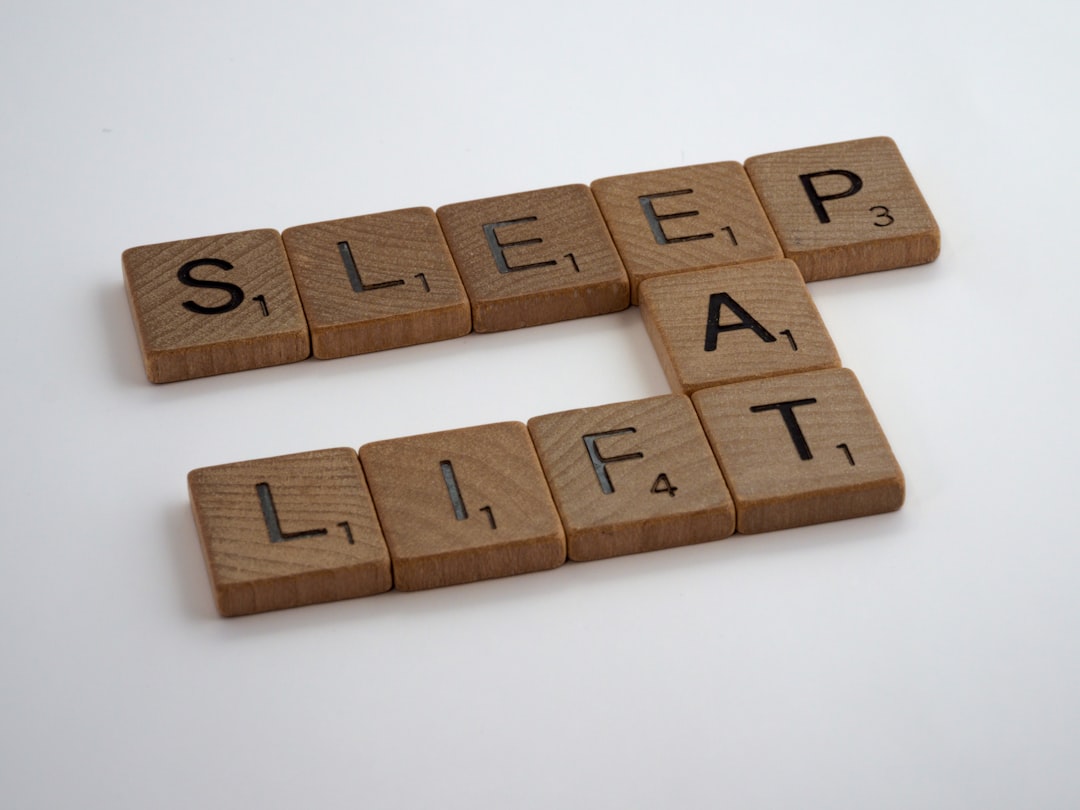
For decades, we’ve been bombarded with specific numbers: 10,000 steps a day, eight glasses of water, and a solid eight hours of sleep. These benchmarks have become ingrained in our collective health consciousness, often presented as non-negotiable pillars of well-being. However, recent scientific inquiry is increasingly casting doubt on the universality and strict necessity of adhering to these precise daily doses, suggesting a more nuanced and individualized approach to health is not only acceptable but often more effective.
The evolving understanding of human physiology and lifestyle factors indicates that while these recommendations offer valuable guidelines, they are rarely one-size-fits-all prescriptions. Instead, a more flexible perspective, one that prioritizes consistency, quality, and listening to your body’s unique needs, is emerging as the optimal path to sustained health and vitality. This shift empowers individuals to move away from rigid perfectionism towards sustainable, personalized health habits.
The Shifting Sands of Exercise Recommendations
The ubiquitous 10,000-step target is perhaps the most well-known and recently challenged exercise benchmark. Its origins, surprisingly, trace back to a 1960s Japanese marketing campaign for a pedometer, rather than extensive scientific research. While walking is undoubtedly beneficial, contemporary studies are revealing that significant health advantages can be reaped with far fewer steps.
Beyond the 10,000-Step Myth
Research published in various reputable journals now suggests that substantial reductions in mortality risk can be observed at step counts considerably lower than 10,000. For instance, studies have shown that accruing around 7,500 steps daily can lead to a marked decrease in the risk of premature death, with even 4,000-5,000 steps providing noticeable benefits, particularly for sedentary individuals. This doesn't negate the value of higher step counts, but it offers a more attainable target for many, preventing discouragement and promoting consistent movement.
The Importance of Intensity and Variety
Furthermore, the conversation around exercise is broadening beyond mere step counts to emphasize the importance of intensity and variety. Moderate-to-vigorous physical activity (MVPA), where your heart rate is elevated and you can still talk but not sing, appears to be a critical factor. The World Health Organization recommends at least 150 minutes of moderate-intensity aerobic activity or 75 minutes of vigorous-intensity aerobic activity per week, alongside strength-training exercises on two or more days.
This holistic view acknowledges that a brisk walk, a cycling session, swimming, or even gardening can contribute significantly to cardiovascular health, muscle strength, and flexibility. The key takeaway is to find activities you enjoy and integrate them consistently into your routine, focusing on overall physical activity rather than fixating on a single, potentially arbitrary, step count.
Decoding Sleep: Is 8 Hours a Universal Mandate?
The recommendation of 7-9 hours of sleep for adults is another benchmark that, while generally sound, warrants a closer look at individual variations. Sleep is fundamental for cognitive function, emotional regulation, physical recovery, and metabolic health. However, the precise duration required for optimal functioning can differ significantly from person to person.
Individual Sleep Needs and Quality
Factors such as age, genetics, lifestyle, and overall health status all play a role in determining an individual’s ideal sleep duration. Some individuals may thrive on 6-7 hours, while others genuinely require closer to 9 hours to feel fully rested. The emphasis is increasingly shifting from mere quantity to sleep quality. This involves achieving sufficient deep and REM sleep cycles, minimizing disruptions, and maintaining a consistent sleep schedule.
Signs of adequate sleep include waking up feeling refreshed, maintaining energy levels throughout the day, and not relying heavily on caffeine to function. Conversely, persistent fatigue, irritability, difficulty concentrating, and increased susceptibility to illness are indicators that your sleep needs may not be met, regardless of the hours you spend in bed.
Optimizing Sleep Hygiene Over Strict Timers
Rather than obsessing over an exact number, focusing on robust sleep hygiene practices can be more beneficial. This includes creating a dark, quiet, and cool sleep environment, limiting screen time before bed, avoiding heavy meals and excessive caffeine/alcohol in the evenings, and establishing a relaxing pre-sleep routine. By prioritizing these elements, individuals can naturally find their optimal sleep duration and improve the restorative quality of their rest.
Hydration: Beyond the Eight Glasses Rule
The advice to drink eight 8-ounce glasses of water daily, totaling about two liters, is perhaps the most pervasive and often misunderstood hydration guideline. While staying adequately hydrated is crucial for virtually every bodily function, this specific recommendation is often an oversimplification that doesn't account for the many ways we obtain fluids.
Fluid Intake from Diverse Sources
Our bodies acquire a significant portion of their daily fluid needs not just from plain water, but also from other beverages like tea, coffee (in moderation), milk, and, crucially, from water-rich foods such as fruits and vegetables. A diet rich in produce contributes substantially to overall hydration, making the strict adherence to eight glasses of plain water potentially excessive for many.
Personalized Hydration Needs
Hydration requirements are highly individual and fluctuate based on several factors: activity level, climate (hot and humid conditions increase fluid loss), health status (fever, vomiting, or certain medical conditions increase needs), and even body size. An athlete training intensely in a warm environment will naturally require far more fluid than someone with a sedentary office job in a temperate climate.
The most reliable indicator for most healthy individuals is listening to their body's thirst signals. Urine color can also serve as a practical guide: pale yellow usually indicates good hydration, whereas dark yellow or amber suggests a need to increase fluid intake. Excessive water consumption, known as hyponatremia, can actually be dangerous, particularly for endurance athletes who may drink too much without replenishing electrolytes.
The Personalization Imperative: Crafting Your Own Health Blueprint
Ultimately, the emerging consensus in health and wellness emphasizes personalization over universal rules. While general guidelines for sleep, exercise, and hydration provide a helpful starting point, true well-being is achieved by understanding and responding to your own body's unique signals and needs. Relying solely on arbitrary numbers can lead to frustration, feelings of failure, and even unhealthy behaviors if they don't align with your physiological reality.
The journey to optimal health is not a checklist to be perfectly completed each day, but rather a dynamic process of consistent effort, self-awareness, and adaptability. Instead of striving for an unattainable ideal, focus on integrating sustainable habits that feel good and support your energy levels and overall health. Consult with healthcare professionals or certified experts who can provide tailored advice based on your specific health profile, goals, and lifestyle.
Embrace flexibility, celebrate small victories, and remember that consistency and genuine well-being often trump the rigid pursuit of specific, potentially outdated, daily doses. Your best health benchmarks are the ones that work for you.