A New Era in Childhood Immunisation: NHS to Offer Routine Chickenpox Vaccine
From January 2, 2026, the National Health Service (NHS) in the UK will begin offering the chickenpox vaccine as a standard part of its childhood immunisation programme. This significant update marks a pivotal moment in public health, aiming to protect children across the nation from a common yet often underestimated viral infection. For decades, chickenpox, or varicella, has been considered a childhood rite of passage, but its potential for serious complications makes this new routine vaccination a welcome development for parents and healthcare professionals alike.

The decision to integrate the varicella vaccine into the existing schedule aligns the UK with many other countries that have long recognised the benefits of widespread immunisation against this highly contagious disease. This article delves into what chickenpox is, who can get the new NHS vaccine, its benefits, and what this change means for families across the country.
Understanding Chickenpox: More Than Just a Childhood Rash
What is Chickenpox?
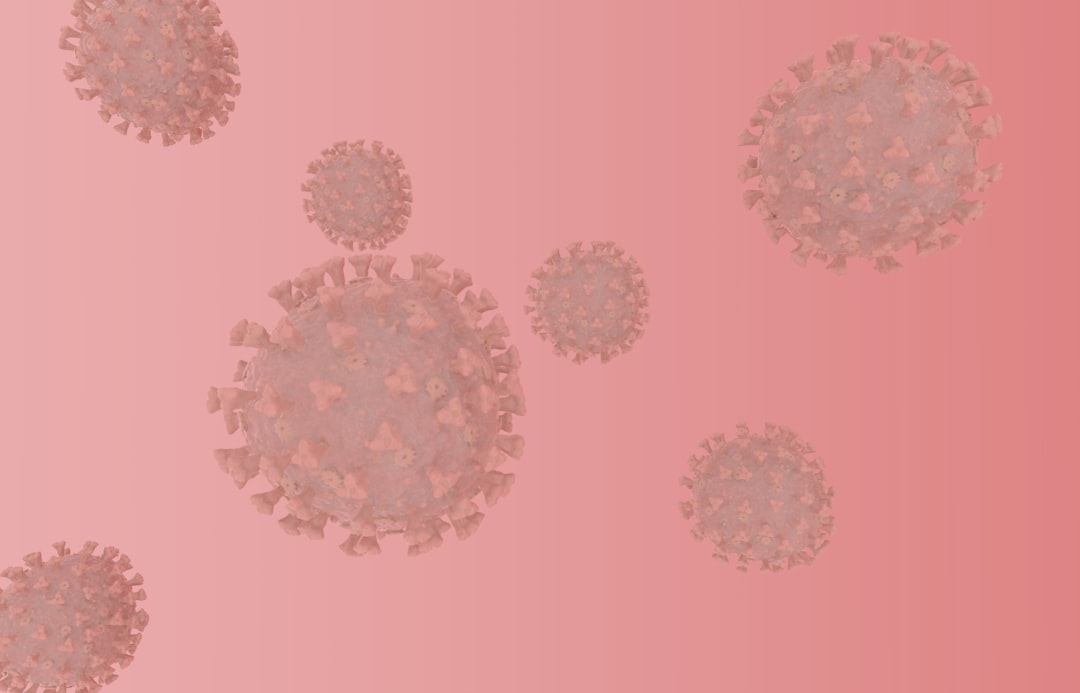
Chickenpox is an infection caused by the varicella-zoster virus (VZV). It is incredibly contagious, spreading easily from person to person through airborne droplets from coughing or sneezing, or through direct contact with the fluid from the blisters. While typically a mild illness in healthy children, it can cause significant discomfort and, in some cases, lead to severe complications. The virus is particularly prevalent in late winter and early spring.
Symptoms and Progression
The hallmark of chickenpox is an itchy rash that typically appears 10 to 21 days after exposure to the virus. This rash usually begins on the chest, back, and face, before spreading over the entire body, including the scalp, mouth, and genitals. The rash progresses through several stages:
- Macules: Small, red bumps.
- Papules: Raised bumps.
- Vesicles: Fluid-filled blisters that resemble small water droplets. These are extremely itchy and can burst.
- Crusting: The blisters dry out and form scabs, which eventually fall off.
During this period, children often experience other symptoms such as a high temperature, general aches and pains, a loss of appetite, and headache. The combination of intense itching and fever can be distressing for both the child and their parents, often leading to missed school days and parental leave from work.
Potential Complications
While most cases of chickenpox resolve without long-term issues, complications can occur, some of which are serious. These include:
- Bacterial Skin Infections: Scratching the itchy blisters can break the skin, allowing bacteria to enter and cause secondary infections like cellulitis or impetigo.
- Pneumonia: A more severe lung infection, particularly risky for adults, pregnant women, and individuals with weakened immune systems.
- Encephalitis: Inflammation of the brain, which is rare but can be life-threatening.
- Reye's Syndrome: A very rare but serious condition affecting the brain and liver, primarily occurring in children and teenagers recovering from a viral infection, especially if aspirin is used.
- Shingles: After recovering from chickenpox, the VZV virus remains dormant in nerve cells. Years later, it can reactivate, causing shingles (herpes zoster), a painful rash. Vaccinating against chickenpox significantly reduces the risk of developing shingles later in life.
Certain groups are at a higher risk of severe chickenpox, including newborns, pregnant women (who can pass the infection to their unborn baby, leading to congenital varicella syndrome), and individuals with compromised immune systems due to illness or medication.
The Varicella Vaccine: How It Works and Its Efficacy
The chickenpox vaccine, also known as the varicella vaccine, is a live-attenuated vaccine. This means it contains a weakened version of the varicella-zoster virus, which stimulates the immune system to produce antibodies without causing the full-blown disease. If the vaccinated person is later exposed to the wild virus, their immune system is prepared to fight it off, preventing or significantly reducing the severity of the illness.
The vaccine is highly effective. Studies show that two doses are about 98% effective at preventing chickenpox in children and 75% effective in adolescents and adults. Even if a vaccinated person does contract chickenpox, the symptoms are typically much milder, with fewer lesions, lower fever, and a quicker recovery. Side effects are generally mild and temporary, such as soreness, redness, or swelling at the injection site, and occasionally a mild fever or a rash that resembles chickenpox but is not contagious.
Globally, the varicella vaccine has been a routine part of childhood immunisation programmes in countries like the United States, Canada, Australia, and Germany for many years, leading to dramatic reductions in chickenpox cases and related complications.
The NHS Chickenpox Vaccination Programme: Who is Eligible and When it Starts
The new NHS programme will introduce the chickenpox vaccine into the standard childhood immunisation schedule for all eligible children in the UK, starting from January 2, 2026. While the precise details of the schedule are still being finalised, it is widely anticipated that the vaccine will be administered in two doses, likely integrated with existing vaccination appointments, potentially as part of the MMRV (Measles, Mumps, Rubella, Varicella) vaccine.
Historically, the chickenpox vaccine was only available on the NHS for specific high-risk groups, such as children with weakened immune systems or those who were in close contact with someone vulnerable. This new initiative broadens access significantly, making protection available to all children at an early age.
Eligibility Criteria
Once the programme commences, all children reaching the specified vaccination age (which will be confirmed closer to the start date) will be eligible for routine vaccination. Parents will be invited to bring their children to their GP practice for the immunisation, similar to how other childhood vaccines are currently administered.
Impact on Public Health
The introduction of universal chickenpox vaccination is expected to have a profound positive impact on public health. It will lead to a substantial decrease in the incidence of chickenpox cases, reduce hospitalisations due to complications, and significantly lessen the burden on healthcare services. Furthermore, by reducing the circulation of the varicella-zoster virus, it will also contribute to herd immunity, protecting those who cannot be vaccinated, such as very young babies or individuals with severe immune deficiencies.
Why Universal Chickenpox Vaccination Matters
The move to include chickenpox vaccination in the routine NHS schedule is not merely about preventing a childhood rash; it's about safeguarding public health on multiple fronts. The benefits extend far beyond individual protection:
- Reduced Illness and Suffering: Fewer children will experience the discomfort, itching, and potential pain associated with chickenpox.
- Prevention of Serious Complications: A decrease in severe outcomes like bacterial infections, pneumonia, and encephalitis.
- Protection for Vulnerable Groups: By reducing the overall circulation of the virus, the vaccine offers indirect protection to infants too young to be vaccinated, pregnant women, and immunocompromised individuals, for whom chickenpox can be particularly dangerous.
- Lower Risk of Shingles Later in Life: Universal childhood vaccination is projected to lead to a significant reduction in shingles cases among adults in the future, as it prevents the initial VZV infection that can lie dormant and reactivate.
- Economic Benefits: Fewer missed days of school for children and fewer missed days of work for parents due to illness or caregiving responsibilities. This has a positive ripple effect on productivity and the economy.
- Alignment with International Best Practice: The UK joins a growing list of developed nations that recognise the overwhelming benefits of routine varicella vaccination.
This proactive public health measure underscores the NHS's commitment to preventive care and ensuring the well-being of the youngest generation.
Preparing for the Change: Advice for Parents and Guardians
As the January 2026 start date approaches, parents and guardians should take steps to stay informed about the new chickenpox vaccination programme. Your GP surgery will be the primary source of information regarding specific timings and appointment scheduling for your child.
- Stay Informed: Keep an eye on official NHS announcements and information from your local GP practice or health visitor.
- Consult Your GP: If you have any questions or concerns about the vaccine, discuss them with your general practitioner or practice nurse. They can provide personalised advice and address any specific health considerations for your child.
- Check Your Child's Red Book: Ensure your child's vaccination records are up-to-date and be prepared to add the new chickenpox vaccine dates.
- Understand the Benefits: Familiarise yourself with the strong evidence supporting the safety and effectiveness of the varicella vaccine.
The introduction of the chickenpox vaccine into the routine NHS childhood immunisation programme represents a progressive step forward in protecting children's health. By embracing this new vaccine, the UK is poised to significantly reduce the impact of chickenpox, ensuring a healthier future for generations to come.