Understanding Meningitis: A Critical Overview
Meningitis, an inflammation of the membranes surrounding the brain and spinal cord, is a serious condition that demands immediate attention. While cases of meningitis occur regularly, a sudden, rapid increase in infections within a confined area can be particularly alarming and warrants a deeper understanding of the factors contributing to such accelerated transmission.
What is Meningitis?
At its core, meningitis is the swelling of the meninges – the protective layers that envelop the brain and spinal cord. This inflammation can result from various infections, including bacterial, viral, fungal, or parasitic agents. Among these, bacterial meningitis is often the most severe form, capable of causing life-threatening complications if not treated promptly. Viral meningitis, while more common, is generally less severe and often resolves on its own, though it can still cause significant discomfort.
The Different Faces: Bacterial vs. Viral
Distinguishing between bacterial and viral meningitis is crucial due to their differing implications for public health and individual treatment. Bacterial meningitis, caused by bacteria like Neisseria meningitidis (meningococcus), Streptococcus pneumoniae (pneumococcus), or Haemophilus influenzae type b (Hib), can lead to severe brain damage, hearing loss, learning disabilities, or even death within hours. It spreads through respiratory droplets or close contact with an infected person's throat or nasal secretions. Viral meningitis, on the other hand, is frequently caused by enteroviruses and, while uncomfortable, rarely proves fatal in individuals with healthy immune systems. Its spread is also through close contact, often via fecal-oral routes or respiratory droplets. The urgency of a rapid outbreak typically points towards a bacterial cause due to its severity and potential for widespread, serious illness.
Deciphering Rapid Transmission: Why Outbreaks Accelerate
When an outbreak of meningitis spreads unusually fast, it's rarely due to a single cause. Instead, it's often a confluence of specific environmental, social, and pathogen-related factors that create a perfect storm for rapid dissemination. Understanding these elements is key to both containment and future prevention.
High Population Density and Close Contact
One of the most significant drivers of rapid disease transmission is population density. In densely populated areas, or settings where people live or gather in close proximity, such as university dormitories, military barracks, or even specific neighborhoods, the likelihood of person-to-person spread dramatically increases. Pathogens like those causing bacterial meningitis thrive in environments where respiratory droplets can easily travel from an infected individual to susceptible contacts. Shared living spaces, public transport, and communal activities provide ample opportunities for the bacteria to jump between individuals, accelerating the outbreak's pace.
Virulence of the Pathogen
Not all strains of meningitis-causing bacteria are equally aggressive. An outbreak might spread rapidly if it's caused by a particularly virulent strain of bacteria, meaning it is highly infectious or causes more severe disease. Some strains may have evolved to evade immune responses more effectively or to colonize the upper respiratory tract more readily, increasing their transmission potential. Public health agencies closely monitor the specific serogroups or strains involved in an outbreak to assess this risk and guide vaccination strategies.
Immunization Gaps
Vaccination is a cornerstone of meningitis prevention. Gaps in immunization coverage within a community can create pockets of vulnerability, allowing the disease to spread unchecked. If a significant portion of the population, particularly susceptible age groups like infants, adolescents, or young adults, has not received the appropriate meningitis vaccines (e.g., MenACWY, MenB, Hib, PCV), the pathogen encounters fewer immune individuals, enabling it to propagate swiftly through the susceptible population. This is especially true in close-knit communities or specific demographic groups where vaccination rates might be lower.
Social Dynamics and Community Hubs
The social fabric of a community plays a crucial role. Outbreaks can accelerate quickly if they originate or spread through highly interconnected social networks or community hubs. Events such as large gatherings, festivals, schools, or even specific social circles can act as amplifiers, rapidly distributing the pathogen to a wider group of individuals who then carry it back into their own homes and social networks. This interconnectedness means that an infection in one person can quickly lead to infections in many others, creating an exponential growth in cases.
Challenges in Early Detection
A delay in recognizing symptoms and diagnosing initial cases can significantly contribute to rapid spread. If individuals are unaware of the signs of meningitis or if healthcare providers face challenges in rapid diagnosis, infected persons may continue to interact with others, unknowingly transmitting the disease. Early diagnosis and prompt isolation or treatment are vital to breaking the chain of transmission. Furthermore, if the initial symptoms are mild or mistaken for a less serious illness, valuable time is lost, allowing the infection to take hold and spread further.
Recognizing the Warning Signs: Symptoms and When to Act
Given the potential severity of meningitis, especially bacterial forms, recognizing symptoms early and seeking immediate medical attention is paramount. The disease can progress rapidly, and timely intervention can significantly improve outcomes.
Common Symptoms Across All Ages
Typical symptoms of meningitis can include a sudden onset of fever, severe headache, stiff neck, sensitivity to light (photophobia), confusion, and vomiting. In some cases, a distinctive rash may appear, often described as small, pinprick-like red or purple spots that do not fade when pressed (non-blanching rash). This rash is a critical indicator of meningococcal disease, a particularly dangerous form of bacterial meningitis. These symptoms can develop quickly, sometimes within hours.
Specific Signs in Infants and Young Children
In infants and very young children, symptoms might be less specific and harder to identify. Parents and caregivers should look for irritability, drowsiness, lethargy, poor feeding, a high-pitched cry, a bulging soft spot (fontanelle) on the head, and a stiff body or floppy limbs. Fever may be present or absent. Any combination of these symptoms in a young child warrants urgent medical evaluation.
The Importance of Immediate Medical Attention
Meningitis is a medical emergency. If you or someone you know exhibits symptoms suggestive of meningitis, it is crucial to seek immediate medical attention by calling emergency services or going to the nearest emergency department without delay. Do not wait for a rash to appear, as it is not always present, especially in the early stages. Early diagnosis through spinal fluid analysis (lumbar puncture) and prompt treatment with antibiotics (for bacterial meningitis) can be life-saving and reduce the risk of severe complications.
Proactive Measures and Public Health Response
Preventing meningitis and controlling outbreaks requires a multi-faceted approach involving individual responsibility and robust public health strategies.
Vaccination: Your First Line of Defense
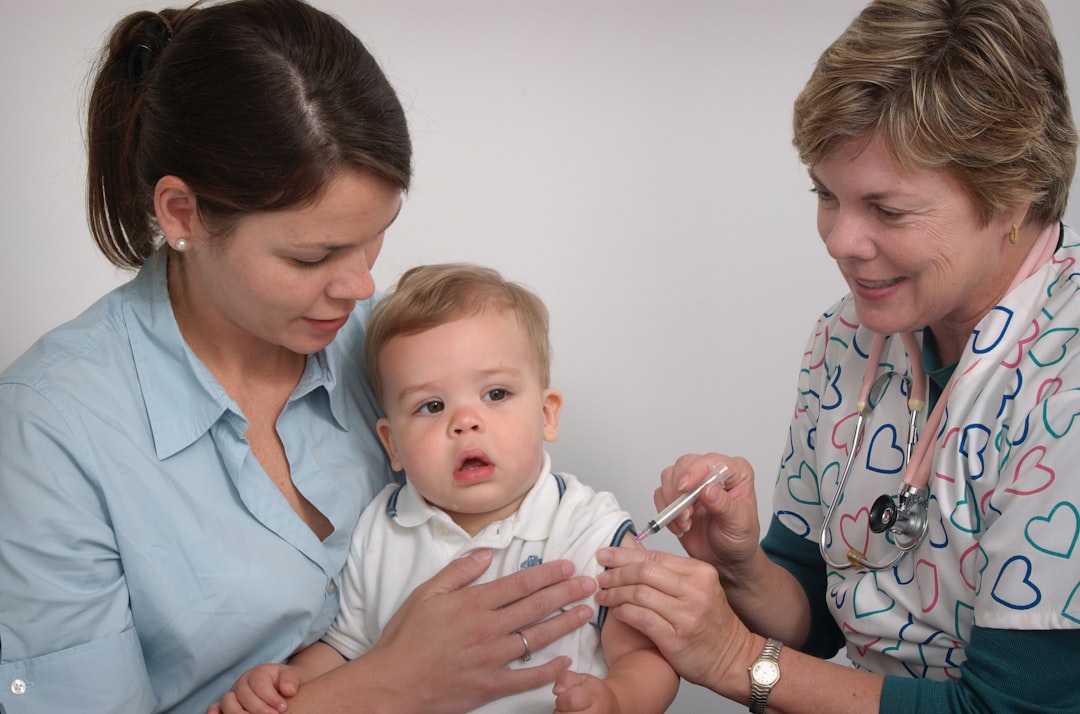
Vaccines are the most effective tool in preventing several forms of bacterial meningitis. Various vaccines target different types of bacteria, including: Meningococcal vaccines (MenACWY and MenB) protect against different serogroups of Neisseria meningitidis; Pneumococcal vaccines (PCV) protect against Streptococcus pneumoniae; and the Hib vaccine protects against Haemophilus influenzae type b. Ensuring up-to-date vaccinations for yourself and your family, especially for children and adolescents, is a critical step in safeguarding against this disease. Public health campaigns often target specific age groups for booster shots to maintain community immunity.
Everyday Hygiene Practices
Good hygiene plays a vital role in reducing the spread of many infectious diseases, including meningitis. Regular and thorough handwashing with soap and water, especially after coughing, sneezing, or using the restroom, can significantly reduce pathogen transmission. Avoiding sharing drinks, food, utensils, and personal items like lip balm can also help prevent the spread of respiratory droplets and saliva. Covering coughs and sneezes with a tissue or your elbow rather than your hands further minimizes airborne transmission.
Community-Wide Public Health Interventions
In the event of an outbreak, public health authorities implement immediate measures. These typically include contact tracing to identify individuals who may have been exposed, providing prophylactic antibiotics to close contacts to prevent infection, and potentially organizing mass vaccination campaigns in affected areas. Public awareness campaigns are also crucial to educate the community on symptoms, prevention, and when to seek medical care. Rapid communication and coordination among healthcare providers, laboratories, and public health officials are essential for effective containment.
Navigating an Outbreak: What Individuals Can Do
During a localized outbreak, individuals have a role to play in protecting themselves and their community. Stay informed by following guidance from local public health authorities. If recommended, participate in vaccination clinics or take prophylactic antibiotics as prescribed. Be vigilant about symptoms in yourself and those around you, and do not hesitate to seek urgent medical care if meningitis is suspected. By understanding the disease, recognizing its signs, and adhering to preventive strategies, communities can collectively mitigate the impact of rapid meningitis outbreaks and protect public health.