In an increasingly fast-paced and digitally saturated world, many are searching for accessible, effective ways to de-stress and reconnect with themselves. While various mindfulness practices and hobbies vie for attention, an age-old craft is quietly re-emerging as a powerful tool for modern wellness: knitting. Far from being merely a pastime for grandmothers, the rhythmic click of needles and the tactile sensation of yarn offer a surprising array of mental, emotional, and even physical benefits, validated by a growing body of anecdotal evidence and expert observations.
Knitting is more than just creating fabric; it's a meditative journey that can significantly reduce stress, alleviate anxiety, and boost overall cognitive function. The simple act of forming stitches, following patterns, and watching a tangible item come to life provides a unique blend of focus, creativity, and accomplishment that profoundly impacts an individual's sense of well-being. This accessible hobby, requiring minimal equipment, holds immense potential for anyone looking to weave a healthier, calmer existence into their daily routine.
The Mindful Movement: Knitting as Meditation
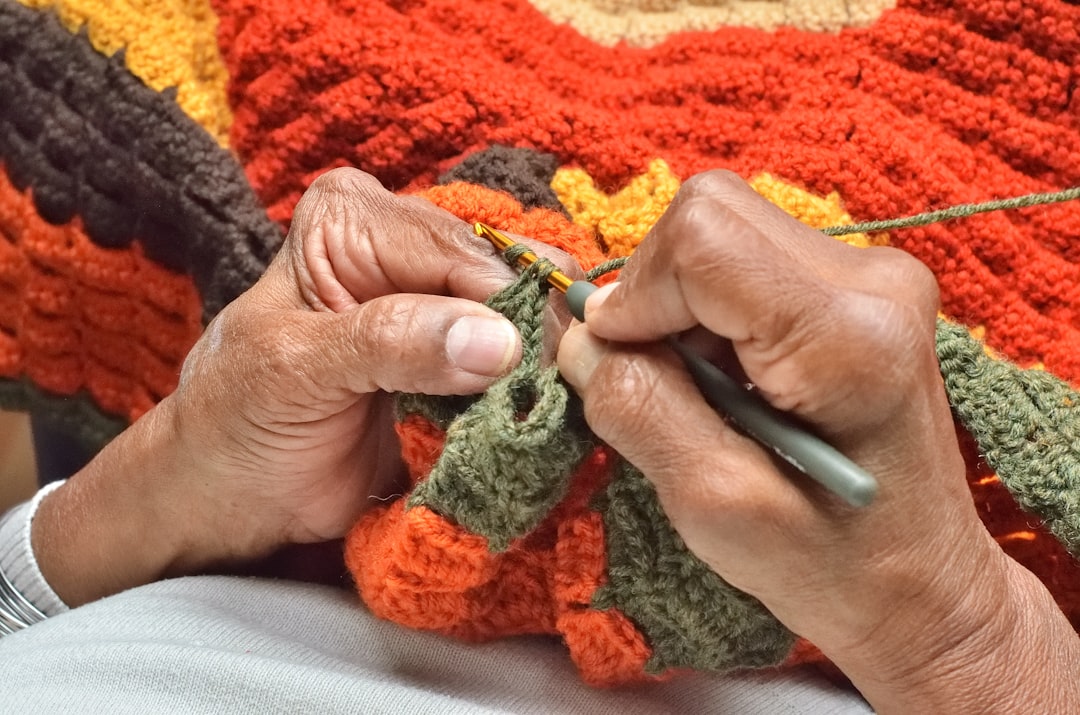
One of the most immediate and impactful benefits of knitting is its capacity to induce a state akin to meditation. The repetitive, rhythmic motion of the needles and yarn naturally draws the mind into a focused, present state, effectively quieting mental chatter and diverting attention from anxious thoughts. This is not just a casual observation; the engagement of both hands in a synchronized, repetitive task can lower heart rate and blood pressure, promoting a physiological state of relaxation.

Reducing Stress and Anxiety
For individuals grappling with chronic stress or anxiety, knitting offers a tangible escape. The concentrated focus required to count stitches, follow a pattern, and manipulate the yarn acts as a powerful distraction from worries. This gentle engagement allows the mind to slow down, providing a much-needed break from the constant internal monologue that often accompanies stress. Studies and personal accounts frequently highlight how the act of knitting can reduce cortisol levels, the primary stress hormone, leading to a calmer nervous system. It provides a healthy, non-pharmacological coping mechanism, offering a sense of control and predictability in an otherwise unpredictable world.
Cultivating Mindfulness and Presence
Knitting is an inherently mindful activity. It demands attention to the present moment, engaging the senses through the feel of the yarn, the sight of the developing fabric, and the gentle sound of the needles. This sensory engagement helps ground individuals, pulling them away from digital distractions and future-oriented worries. Unlike passive activities such as watching television, knitting requires active participation, fostering a deeper connection to the task at hand. This deliberate focus on the 'here and now' strengthens one's ability to be mindful in other areas of life, enhancing overall emotional regulation and self-awareness.
Cognitive Boosts and Creative Expression
Beyond its calming effects, knitting is a surprisingly effective workout for the brain, engaging various cognitive functions and providing a rewarding outlet for creativity. It challenges the mind in subtle yet significant ways, contributing to mental agility and a sense of achievement.
Enhancing Brain Function
The intricate movements involved in knitting are excellent for developing and maintaining fine motor skills and hand-eye coordination. These skills are crucial for people of all ages, from children developing dexterity to seniors looking to stave off cognitive decline. Furthermore, following complex patterns, counting stitches, and managing multiple elements simultaneously engage problem-solving abilities, logical thinking, and spatial reasoning. Learning new stitches or tackling more elaborate projects can even stimulate neuroplasticity, the brain's ability to form new neural connections, potentially enhancing memory retention and overall cognitive health. The mental effort invested in correcting mistakes or improvising solutions provides valuable cognitive exercise.
Unlocking Creativity and Achievement
Knitting is a profound channel for creative expression. From selecting yarn colors and textures to designing unique patterns or adapting existing ones, knitters have endless opportunities to infuse their personality into their creations. This creative process is intrinsically rewarding, fostering a sense of accomplishment and boosting self-esteem. The tangible outcome of a finished scarf, blanket, or garment provides a powerful dopamine release, reinforcing positive feelings and motivating continued engagement. For many, knitting becomes a therapeutic outlet, allowing them to channel emotions, process thoughts, and manifest their inner world into beautiful, functional objects. The ability to create something from scratch, entirely by hand, instills a deep sense of pride and personal agency.
Building Bridges: Social Connection and Purpose
While often viewed as a solitary pursuit, knitting also holds immense power for fostering social connections and a sense of community. Its accessibility and appeal make it a wonderful shared activity, bridging gaps between generations and diverse backgrounds.
Fostering Community and Belonging
Knitting groups, often known as 'stitch and bitch' or 'knit and natter' circles, provide invaluable opportunities for social interaction and mutual support. These gatherings offer a relaxed environment for sharing tips, patterns, and life stories, combating feelings of loneliness and isolation. The shared passion for the craft creates instant camaraderie, fostering deep connections and a sense of belonging. For individuals who might struggle with traditional social settings, a knitting group provides a structured, low-pressure environment to engage with others, building friendships around a common, calming interest. This aspect is particularly beneficial for mental health, as strong social ties are a known buffer against depression and anxiety.
Contributing to a Greater Good
Many knitters find profound purpose in contributing their skills to charitable causes. Knitting blankets for hospitals, hats for the homeless, or garments for premature babies offers a powerful sense of altruism and fulfillment. This act of giving back transforms a personal hobby into a meaningful contribution to the community, enhancing self-worth and reinforcing the idea that one's efforts can make a tangible difference in the lives of others. Furthermore, creating handmade gifts for loved ones strengthens personal relationships, imbuing each item with thoughtfulness and care, making the act of giving and receiving even more special.
Embarking on Your Knitting Journey
The beauty of knitting lies in its accessibility. You don't need significant investment or specialized skills to begin enjoying its many benefits. With just a few basic tools and a willingness to learn, anyone can embark on this rewarding journey.
Getting Started: Essential Tools and Basic Stitches
To begin, you'll need a pair of knitting needles and a ball of yarn. Needles come in various materials (metal, wood, plastic) and sizes, impacting the gauge of your stitches. Yarn, too, varies widely in fiber content, weight, and color. For beginners, a medium-weight, light-colored yarn and appropriately sized needles are recommended, as they are easier to see and handle. The fundamental techniques to master are casting on (creating the initial row of stitches), the knit stitch, the purl stitch, and casting off (finishing a project). These four basic actions form the foundation for almost every knitting project.
Finding Resources and Inspiration
The digital age has made learning to knit easier than ever. Countless online tutorials on platforms like YouTube offer step-by-step visual guides for every stitch and technique imaginable. Websites and blogs dedicated to knitting provide free patterns, tips, and community forums. Local yarn shops are also invaluable resources, often offering beginner classes, expert advice, and a chance to feel different yarns in person. Books and magazines are another excellent source for patterns and inspiration. Don't be afraid to start with simple projects like scarves or dishcloths; the sense of accomplishment from completing even a small item is incredibly motivating and builds confidence for more complex endeavors.
Conclusion: Weaving a Healthier Life, One Stitch at a Time
Knitting transcends its reputation as a mere craft; it stands as a multifaceted practice that offers profound benefits for mental health, cognitive function, and social well-being. From its meditative qualities that reduce stress and anxiety to its ability to boost brain power and foster community, the rhythmic art of knitting provides a holistic pathway to a calmer, more creative, and connected life. In an era where self-care is paramount, picking up a pair of needles and a ball of yarn could be one of the simplest yet most effective steps you take towards cultivating a richer, more balanced existence. Embrace the stitches, and discover the transformative power of this timeless craft.