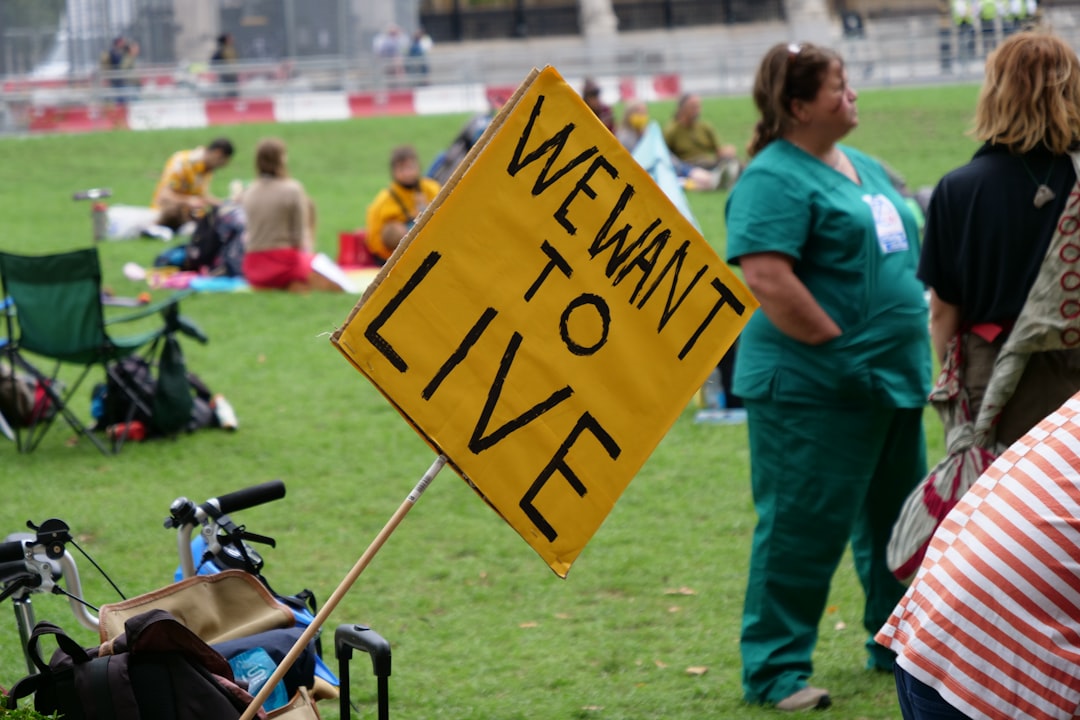
England's junior doctors have engaged in a series of industrial actions throughout 2023 and continuing into 2024, marking a significant period of unrest within the National Health Service (NHS). These frequent walkouts underscore deep-seated grievances regarding their compensation and working conditions, prompting widespread concern about the stability of healthcare provision. As these critical medical professionals continue to press for substantial changes, understanding the root causes of their dissatisfaction—particularly concerning their pay and the wider implications for the healthcare system—becomes paramount for patients and the public alike.
Understanding the Current Industrial Action
Who Are Junior Doctors and Why Are They Striking?
In the UK, the term 'junior doctor' encompasses all doctors who are not consultants or general practitioners, ranging from those just out of medical school to those with many years of experience who are still undergoing specialist training. They form the backbone of hospital care, performing a vast array of duties from diagnosing and treating patients, prescribing medications, performing procedures, and managing wards, often under intense pressure and with significant responsibility. Despite their crucial role, junior doctors feel their value has been consistently undermined by a substantial decline in their real-terms pay over more than a decade. This erosion, coupled with increasing workloads and challenging conditions, has led to a breaking point, culminating in repeated strikes.

A History of Discontent: The Road to Repeated Walkouts
The current wave of industrial action is not an isolated incident but rather the culmination of years of simmering frustration. Junior doctors, represented primarily by the British Medical Association (BMA), argue that their pay has not kept pace with inflation, leading to a significant real-terms cut in their earnings since 2008. This prolonged period of pay stagnation, exacerbated by a high cost of living, has created an unsustainable financial burden for many. The repeated nature of these strikes reflects a deep-seated belief among the medical workforce that the government has failed to address their concerns adequately, forcing them to take increasingly disruptive measures to be heard.
The Heart of the Dispute: Junior Doctor Pay and Demands
Unpacking Junior Doctor Salaries: What Are They Paid?
A new doctor, in their first year post-medical school (known as a foundation year 1 or F1), begins with a basic annual salary. This basic salary sees incremental increases as they progress through their training, for example, to a foundation year 2 (F2) doctor, and then into specialty training years, which can last for many years, depending on their chosen specialty. However, this headline figure often does not fully capture the reality of their remuneration. Junior doctors frequently work intense, long shifts, including nights, weekends, and on-call periods, which attract additional payments. Even with these additions, the total take-home pay, particularly when considering the demanding hours, high-stakes responsibility, and the extensive debt incurred during medical school, has been subject to significant erosion by inflation. For many, the perceived lack of fair compensation fails to reflect the commitment, skill, and sacrifice required to become and remain a doctor in the NHS.
The British Medical Association's Stance and Key Demands
The British Medical Association (BMA) is the main trade union and professional body for doctors in the UK, and it has been at the forefront of representing junior doctors in these disputes. Their central demand is for 'full pay restoration.' This means reversing the real-terms pay cuts experienced since 2008, which the BMA calculates to be over 26%. They argue that merely offering inflationary pay rises year-on-year is insufficient to address the historical erosion of their earnings. The BMA contends that restoring pay to its 2008 value, adjusted for inflation, is not only fair but also essential for retaining doctors within the NHS, attracting new talent, and ensuring the long-term sustainability of the health service. Without a commitment to this restoration, the BMA indicates that industrial action will likely continue.
Impacts of the Strikes: A Ripple Effect Across the NHS
Patient Care and Service Disruption
The most immediate and visible impact of junior doctor strikes is on patient care. With a significant portion of the medical workforce on picket lines, the NHS is forced to cancel tens of thousands of routine appointments and elective surgeries. While emergency services are typically maintained by consultant cover and other senior staff, there is an undeniable strain on the system, leading to longer waiting times, delayed diagnoses, and potentially poorer outcomes for patients. The cumulative effect of repeated strikes means that the backlog of procedures and appointments continues to grow, placing an increasing burden on an already stretched healthcare system and causing considerable anxiety for patients awaiting vital treatment.
The Broader Consequences for Healthcare Morale and Recruitment
Beyond immediate service disruption, the ongoing disputes have profound long-term consequences for the NHS. Morale among junior doctors, already low due to demanding workloads and perceived undervaluation, is further damaged by the protracted nature of the conflict. This can lead to increased rates of burnout, stress, and mental health issues among medical staff. Furthermore, the attractiveness of a career in the NHS for prospective doctors is diminished, potentially exacerbating existing recruitment and retention crises. Many junior doctors consider leaving the NHS for more lucrative and less stressful opportunities abroad, threatening the future pipeline of medical talent for the UK and impacting the quality of care for years to come.
Seeking Resolution: Paths Forward and Future Outlook
Government Position and Negotiation Challenges
The government's position has consistently been that they cannot afford the 'full pay restoration' demanded by the BMA, citing the wider economic climate and the need for fiscal responsibility. While some pay offers have been made, they have fallen short of the BMA's demands and have therefore been rejected. The negotiation process has been fraught with challenges, with both sides often appearing to be at an impasse. The lack of a mutually acceptable offer means that the cycle of industrial action and its associated disruption to patient care is likely to persist until a significant breakthrough in talks can be achieved. Bridging this gap requires not only financial compromise but also a renewed commitment to constructive dialogue.
The Long-Term Vision: Rebuilding Doctor Morale and Sustaining the NHS
Ultimately, resolving the junior doctor strikes requires more than just a one-off pay deal. It necessitates a comprehensive long-term strategy to rebuild trust, improve working conditions, and ensure the NHS can attract and retain its vital medical workforce. This includes addressing issues such as workforce planning, ensuring adequate staffing levels, improving training opportunities, and fostering a culture where doctors feel valued and respected. A sustainable solution must look beyond immediate financial considerations to the fundamental health and well-being of the NHS and its dedicated professionals, ensuring that the UK can continue to provide world-class healthcare for generations to come.