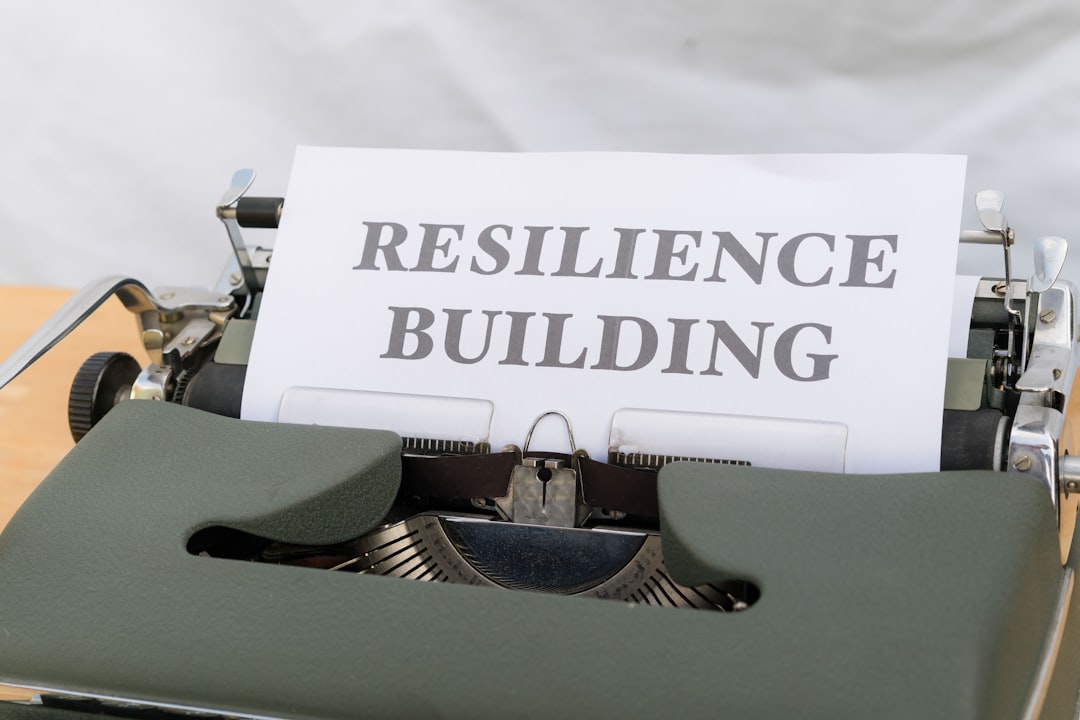
Understanding Quiet Resilience: A Deeper Look at Inner Strength
In a world that often celebrates dramatic comebacks and heroic displays of grit, a more subtle yet profoundly effective form of mental fortitude is gaining recognition: quiet resilience. This isn't about ignoring pain or always bouncing back stronger immediately; rather, it’s the profound capacity to adapt, recover, and persist through life’s inevitable challenges with an inner calm and sustainable strength. Quiet resilience, sometimes termed 'flexible resilience,' emphasizes a gentle yet powerful ability to process difficulties, learn from them, and move forward without succumbing to burnout or emotional exhaustion.
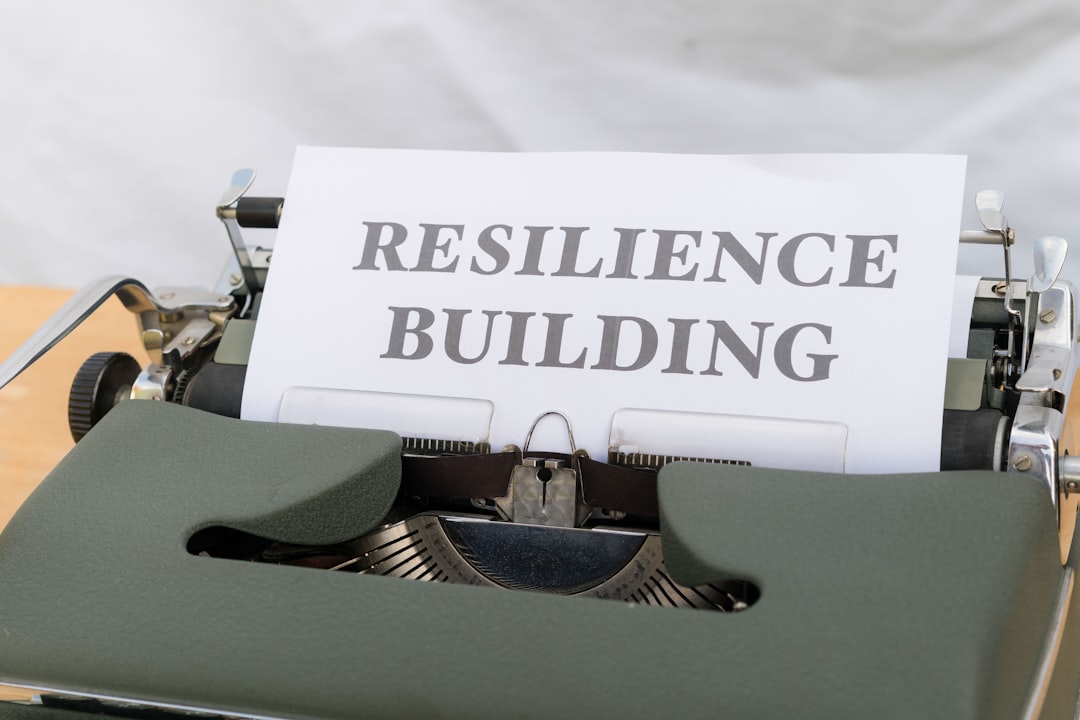
Unlike the often-publicized image of resilience as an unyielding force, quiet resilience is characterized by adaptability, self-awareness, and a compassionate understanding of one's own limitations and needs. It's about building a robust internal framework that allows individuals to navigate stress, setbacks, and change with greater ease and less internal friction. This approach focuses on long-term well-being and emotional agility, fostering a sustainable pathway to mental toughness that doesn't demand constant, exhausting effort.
The Essence of Quiet Resilience: Beyond Just 'Bouncing Back'
The traditional narrative of resilience often implies a forceful return to a previous state, or even an improvement, after a significant setback. While admirable, this perspective can sometimes be prescriptive and overlook the nuanced, personal journey of recovery. Quiet resilience, conversely, reframes this understanding. It acknowledges that sometimes, 'bouncing back' isn't about returning to exactly where you were, but about finding a new, stable equilibrium that integrates the experience of adversity.
Key Characteristics of Quiet Resilience:
Quiet resilience manifests through several core attributes that distinguish it from more conventional views:
- Adaptability and Flexibility: Instead of rigidly adhering to one path, quiet resilience champions the ability to adjust plans, perspectives, and emotional responses when faced with unexpected obstacles. It’s about flowing with change, not fighting against it.
- Self-Awareness and Acceptance: A deep understanding of one's own emotional landscape, including vulnerabilities and strengths, is fundamental. This involves acknowledging difficult feelings without judgment and accepting them as part of the human experience.
- Emotional Regulation Without Suppression: It’s not about suppressing emotions, but about managing them in a healthy way. This means feeling anger, sadness, or frustration, but choosing how to respond rather than being overwhelmed by them.
- Sustainable Coping Mechanisms: Quietly resilient individuals tend to employ coping strategies that are restorative and don't deplete their energy reserves. This includes practices like mindfulness, self-compassion, and setting healthy boundaries.
- Growth-Oriented Perspective: While not denying pain, there's an underlying belief in the potential for learning and growth from difficult experiences. Setbacks are seen as opportunities for deeper understanding, rather than purely as failures.
Ultimately, quiet resilience prioritizes internal stability and well-being, recognizing that true strength often lies in gentleness, self-understanding, and the capacity for ongoing adaptation.
Why Cultivating Quiet Resilience Matters More Than Ever
In our rapidly evolving world, marked by constant digital connectivity, economic uncertainties, and global challenges, the demands on our mental and emotional resources are unprecedented. The traditional model of resilience, which might encourage pushing through at all costs, can often lead to burnout, chronic stress, and a diminished sense of well-being. Quiet resilience offers a vital alternative, providing a framework for sustained mental health in the face of relentless pressures.
Modern life often presents a barrage of stressors – from information overload and demanding work environments to personal struggles and societal anxieties. Without a flexible and sustainable approach to resilience, individuals risk becoming overwhelmed, leading to exhaustion, anxiety, and depression. Quiet resilience equips us with the tools to navigate this complexity without sacrificing our inner peace or long-term health. It promotes a proactive stance towards mental well-being, fostering a sense of control and agency even amidst chaos.
Practical Pathways to Nurturing Your Quiet Resilience
Building quiet resilience isn't an overnight transformation; it's a continuous journey of self-discovery and intentional practice. Here are actionable strategies to help cultivate this sustainable inner strength:
Embrace Self-Awareness and Mindful Observation
Start by paying closer attention to your thoughts, feelings, and bodily sensations without judgment. Practices like mindfulness meditation can significantly enhance your ability to observe your internal state, allowing you to recognize stress signals early and understand your emotional triggers. This non-judgmental awareness is the first step towards choosing a response rather than reacting impulsively.
Cultivate Emotional Flexibility
Challenge the urge to get stuck in particular emotions or perspectives. Practice viewing situations from multiple angles and allow yourself to feel a range of emotions without identifying solely with any one of them. For instance, if you feel anger, acknowledge it, understand its source, but then consciously decide how to proceed instead of letting it dictate your actions. This fluidity allows for healthier processing of difficult experiences.
Practice Self-Compassion
Treat yourself with the same kindness and understanding you would offer a good friend experiencing difficulty. When facing setbacks or internal struggles, avoid harsh self-criticism. Instead, acknowledge your pain, recognize that imperfection is part of the human experience, and offer yourself comfort and support. Self-compassion is a powerful antidote to shame and self-doubt, fostering an internal sense of safety.
Develop Sustainable Coping Strategies
Identify and regularly engage in activities that genuinely restore your energy and promote well-being. This might include spending time in nature, engaging in creative hobbies, connecting with loved ones, ensuring adequate sleep, or practicing gentle exercise. Prioritize these activities not as luxuries, but as essential components of your resilience toolkit. Avoid relying on quick fixes or activities that provide temporary relief but long-term depletion.
Redefine Success and Failure
Shift your perspective on challenges. Instead of viewing setbacks as definitive failures, see them as opportunities for learning and growth. Embrace a growth mindset, understanding that every experience, positive or negative, contributes to your development. This reframing reduces the fear of failure and encourages experimentation and perseverance.
Strengthen Your Support Network
While quiet resilience emphasizes internal strength, it doesn't mean isolating yourself. Actively nurture relationships with people who offer genuine support, understanding, and different perspectives. Sharing your experiences with trusted individuals can provide invaluable emotional validation and practical advice, reinforcing your capacity to navigate difficulties.
Embracing the Journey: Sustaining Your Inner Strength
Quiet resilience is not a destination but an ongoing process. It involves consistently showing up for yourself, practicing self-awareness, and making conscious choices that support your long-term mental and emotional health. By adopting these principles, you can develop a profound and sustainable inner strength that allows you to face life's complexities not with a rigid defense, but with adaptable grace and unwavering calm. The true power of quiet resilience lies in its ability to transform how we experience adversity, turning potential stumbling blocks into stepping stones for deeper personal growth and well-being.