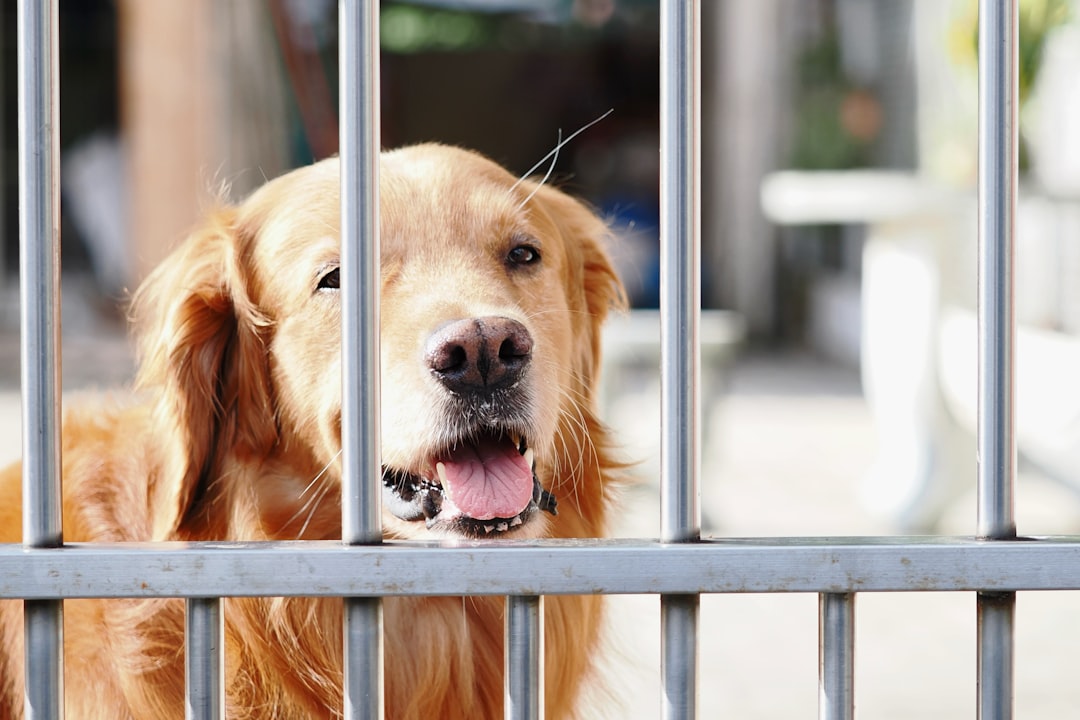
A significant change in legislation is set to dramatically alter the landscape for dog owners, particularly those in or near rural areas. Under a new legal framework, individuals whose dogs attack or even chase farm animals could face unlimited financial penalties. This landmark development also grants police expanded authority to seize and detain dogs involved in such incidents, underscoring a heightened commitment to protecting livestock and supporting farming communities.
The introduction of these stringent new measures reflects a growing concern over the increasing prevalence and devastating impact of what is commonly known as 'livestock worrying.' For too long, existing laws have been perceived as insufficient, failing to adequately deter offenders or compensate farmers for their losses. This legislative overhaul aims to rectify that, sending a clear message about the seriousness of the issue and placing greater responsibility squarely on the shoulders of dog owners.
The Landmark Legal Shift: Unlimited Fines and Enhanced Police Powers
The core of this new legislation revolves around two pivotal changes: the removal of previous limits on fines and the expansion of police intervention capabilities. Previously, fines for livestock worrying were capped, often proving to be a mere slap on the wrist for incidents that could cause thousands of pounds worth of damage or loss. The concept of an unlimited fine signifies that courts can now impose penalties proportionate to the harm caused, which could include the value of lost animals, veterinary bills, stress-related losses, and even psychological distress to the farmer. This means a single incident could result in a crippling financial burden for the dog owner.

Beyond the financial penalties, police forces are now empowered with considerably more robust tools to address incidents. The new powers enable officers to seize and detain any dog suspected of having attacked or chased farm animals, even if the owner is not present at the time of the incident. This proactive approach aims to prevent further harm and allows for thorough investigation, potentially leading to the dog's removal from the owner's care, and in severe cases, even euthanasia, if deemed a danger.
These powers are not limited to actual physical attacks. The act of 'chasing' livestock, which can cause significant stress, miscarriages in pregnant animals, and even fatal injuries from panic-induced collisions, is also explicitly covered. This broadens the scope of culpability for dog owners, requiring a more vigilant approach to controlling their pets in areas where farm animals are present.
The Devastating Reality of Livestock Worrying: Beyond Financial Costs
Livestock worrying is far more than an inconvenience; it represents a profound threat to animal welfare, farmer livelihoods, and the economic stability of rural communities. The impacts are multifaceted and often long-lasting.
Economic Ruin for Farmers
The most immediate and tangible consequence of a dog attack is often the direct financial loss. This can include the death of valuable breeding animals, lambs, or calves, which represent years of careful breeding and significant investment. Injured animals may require expensive veterinary treatment, and even if they recover, their productivity or market value can be severely diminished. Beyond direct losses, there are costs associated with carcass disposal, increased insurance premiums, and the disruption to farming operations.
Profound Animal Welfare Concerns
From an animal welfare perspective, attacks are horrific. Sheep, cattle, and other farm animals are prey animals by nature, and even the act of being chased by a dog can induce extreme stress, leading to heart attacks, abortions in pregnant animals, or injuries sustained while fleeing. The physical injuries inflicted by dogs can range from severe bites requiring extensive veterinary care to fatal wounds. These incidents cause immense suffering to the animals involved, which is a key driver behind the push for stronger protective legislation.
Emotional and Psychological Toll on Farmers
Farmers often view their livestock not just as assets but as living beings they care for deeply. Witnessing their animals being attacked or finding them injured or dead due to a preventable incident causes immense emotional distress and trauma. The constant worry about potential attacks adds a significant psychological burden to an already demanding profession, leading to stress, anxiety, and feelings of helplessness.
Cultivating Responsible Dog Ownership in Rural Environments
The new law places a strong emphasis on proactive prevention through responsible dog ownership. It is crucial for every dog owner, especially those who walk their pets in or near areas with livestock, to understand and implement best practices.
Always Use a Lead Around Livestock
This is arguably the most critical and straightforward measure. Keeping dogs on a lead, particularly when walking through fields or areas where farm animals are present or likely to be, is non-negotiable. Even the most well-behaved dog can be unpredictable around livestock, driven by instinct.
Ensure Robust Recall and Training
While a lead is paramount, a dog with excellent recall training provides an extra layer of safety. However, owners should never solely rely on recall around livestock, as even a perfectly trained dog can succumb to instinct. Continuous training and reinforcement are key to responsible ownership.
Be Aware of Your Surroundings
Pay close attention to signage indicating the presence of livestock. Farmers often put up notices to warn dog walkers. Respect private land and designated paths. If in doubt, assume livestock might be present and keep your dog on a lead.
Secure Your Property
Ensure your garden or property boundaries are secure enough to prevent your dog from escaping and potentially wandering into nearby fields where livestock graze. This is particularly important for dogs with a strong prey drive.
Understanding the New Enforcement: Police Powers and Consequences
The enhanced powers granted to police are designed to make enforcement more effective and immediate. Officers no longer need to wait for a farmer to intervene or for an owner to be present to take action against a dog involved in livestock worrying. This means a quicker response to incidents and potentially preventing further harm.
Seizure and Detention
If a dog is found worrying livestock, police can now seize and detain it. This could involve placing the dog in kennels while an investigation takes place. The costs associated with detention would likely be passed on to the owner, regardless of the final outcome of any prosecution.
Potential for Dog Control Orders and Euthanasia
Beyond fines, a dog involved in a severe attack could be subject to a control order, requiring specific measures such as muzzling in public or mandatory training. In the most serious cases, where a dog is deemed a significant danger to livestock or the public, a court may order its destruction. This highlights the profound and potentially tragic consequences for the dog itself, stemming from its owner's lack of control.
Criminal Record and Broader Implications
An unlimited fine can also come with a criminal record, which has wider implications for an individual's life, affecting employment, travel, and personal reputation. The legal ramifications extend far beyond a simple monetary penalty.
Proactive Measures and Support for Farmers
While the new law provides stronger recourse, farmers are still encouraged to implement preventative measures and understand their rights.
Clear Signage and Secure Fencing
Farmers can help by placing clear and visible signage warning dog owners about livestock. Maintaining secure fencing around fields is also a crucial preventative step, although it cannot always prevent determined dogs from entering.
Reporting Incidents Promptly
It is vital for farmers to report all incidents of livestock worrying to the police immediately. Timely reporting allows for quicker investigation and enforcement of the new powers. Documenting evidence, such as photographs or witness statements, can also be invaluable.
Understanding the Farmer's Right to Protect Livestock
Farmers retain the legal right to protect their livestock from attacking dogs, which can include taking measures to stop an attacking dog. While this is a last resort, the new law reinforces the seriousness with which the protection of farm animals is viewed.
In conclusion, this legislative update marks a pivotal moment in the ongoing effort to protect farm animals and support the agricultural sector. For dog owners, it serves as a powerful reminder of the profound responsibility that comes with pet ownership, particularly in rural environments. Adherence to simple, responsible practices can prevent not only immense suffering for animals but also severe legal and financial repercussions for owners. The emphasis is now firmly on prevention and accountability, fostering a safer coexistence between pets and livestock.