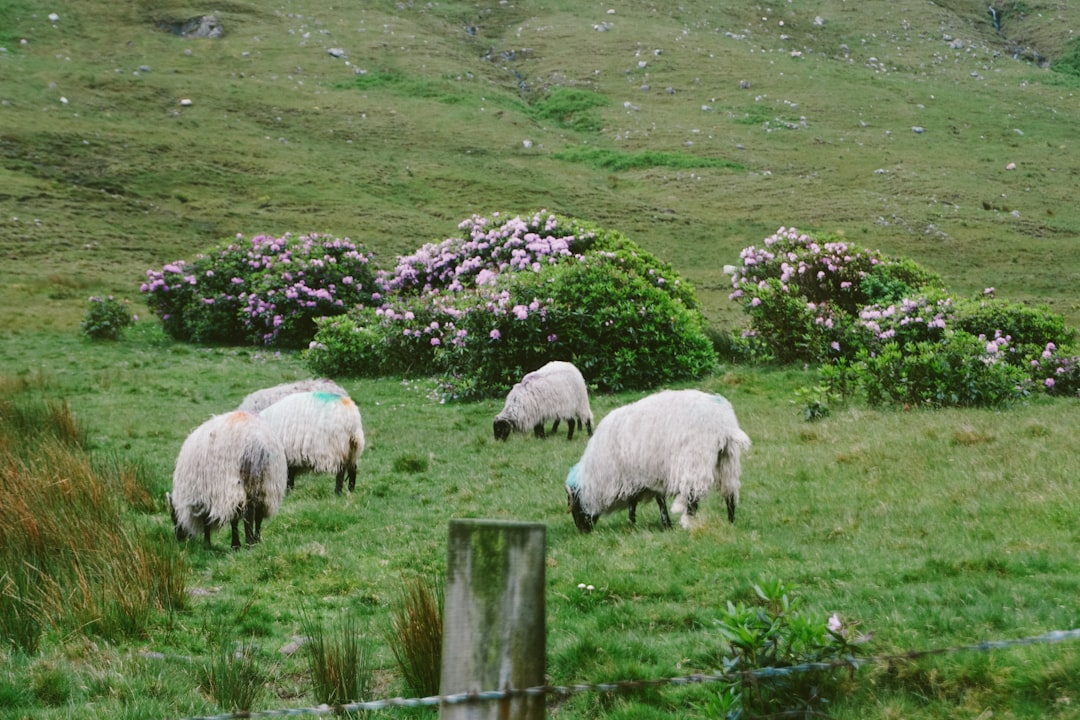
The United Kingdom, a nation synonymous with its rolling hillsides dotted by grazing sheep, is currently witnessing a significant and concerning decline in its ovine population. This trend is not merely a statistical anomaly; it represents a profound shift with far-reaching consequences, touching upon rural economies, environmental management, cultural heritage, and even the contents of the national dinner plate. The question is no longer if we are past a 'peak sheep' era, but rather what the implications of this new reality are, and what steps can be taken to navigate it.
For centuries, sheep farming has been an intrinsic part of the British landscape and agricultural identity. From the rugged Scottish Highlands to the green valleys of Wales and the gentle slopes of the English countryside, sheep have played a crucial role in shaping ecosystems, supporting livelihoods, and contributing significantly to the nation's food production. Their wool once fuelled industrial revolutions, and their meat remains a cherished component of traditional British cuisine. Understanding the forces driving their disappearance is critical to appreciating the complex challenges facing modern agriculture and rural life.
The Unfolding Decline of UK Sheep Populations
Recent data indicates a noticeable reduction in the number of sheep across the UK, a trend that has been steadily gaining momentum. While precise figures fluctuate, the overall trajectory points downwards, signaling a significant shift from historical population highs. This decline is not uniform across all regions, but its cumulative effect is undeniable, prompting concern among farmers, environmentalists, and policymakers alike.
Quantifying the Shift
While the exact timing of 'peak sheep' is debated, agricultural censuses and surveys over recent decades reveal a consistent pattern of fewer lambs being born and fewer adult sheep being maintained on farms. This reduction reflects a combination of factors, including changes in farm structure, economic viability, and the strategic decisions of individual farmers. The cumulative impact of these decisions is now manifesting as a national demographic shift for one of the UK's most iconic livestock species.
Beyond the Numbers: A Cultural and Economic Icon
The presence of sheep on British hillsides is more than just an agricultural statistic; it is a defining characteristic of the landscape, deeply embedded in the nation’s cultural psyche. The image of a shepherd and their flock evokes a sense of tradition, resilience, and connection to the land. Economically, sheep farming supports tens of thousands of families, particularly in remote and upland areas where alternative forms of agriculture are less viable. The diminishing numbers thus threaten not just a food source, but an entire way of life and a vital part of the UK's identity.
Key Drivers Behind the Shrinking Flocks
The reasons behind the decline of the UK's sheep population are multifaceted and interconnected, reflecting a complex interplay of economic pressures, evolving consumer preferences, and significant shifts in environmental and agricultural policy.
Economic Pressures on Farmers
Sheep farmers face a challenging economic landscape. The costs associated with raising sheep, including feed, veterinary care, fuel, and labor, have seen consistent increases. Concurrently, the prices received for lamb and wool have often remained stagnant or experienced significant volatility, squeezing profit margins. For many smaller, family-run farms, the financial viability of maintaining a sheep flock has become increasingly precarious, leading some to reduce numbers or exit the sector entirely. The substantial investment required for equipment and land, coupled with unpredictable market returns, deters new entrants and encourages existing farmers to reconsider their operations.
Evolving Consumer Preferences
Another significant factor is the changing dietary habits of the British public. Lamb consumption has been on a downward trend for several years, particularly among younger demographics. There are several reasons for this shift: lamb is often perceived as more expensive than other meats like chicken or pork, and some consumers find it challenging to cook. The rise of vegetarian and vegan diets, alongside a growing focus on plant-based alternatives, also contributes to a broader reduction in overall meat consumption, with lamb often being one of the first meats to be cut back.
Environmental and Policy Landscape
The environmental context also plays a crucial role. Climate change brings more extreme weather events, such as prolonged droughts or heavy rainfall, which can severely impact grazing land and animal health. Furthermore, there's a growing emphasis on rewilding and environmental land management, sometimes leading to a reduction in livestock numbers in certain areas to promote biodiversity or natural habitats. Post-Brexit agricultural policy shifts have also introduced uncertainty. The transition from the European Union's Common Agricultural Policy (CAP) to new domestic schemes, which often link subsidies to environmental outcomes rather than just land ownership or production, means farmers are having to adapt their practices, potentially reducing sheep numbers in favor of other land uses or conservation efforts.
Far-Reaching Impacts Across the Nation
The diminishing presence of sheep in the UK has profound and wide-ranging implications that extend far beyond the farm gate, affecting landscapes, rural economies, and national dietary patterns.
Transforming Rural Landscapes and Biodiversity
Sheep are natural landscape managers. Their grazing helps to maintain grasslands, prevent the encroachment of scrubland, and create diverse habitats for various plant and insect species. A reduction in sheep numbers can lead to significant ecological changes, including the unchecked growth of certain plant species, which can alter biodiversity and even increase the risk of wildfires in areas that become overgrown. The iconic, open vistas of many British uplands, shaped over centuries by sheep grazing, could gradually transform, impacting both natural ecosystems and the aesthetic value cherished by locals and tourists alike.
Economic Ripple Effects in Farming Communities
The economic impact of fewer sheep reverberates throughout rural communities. Beyond the direct income for farmers, a whole ecosystem of supporting businesses relies on sheep farming: shearers, veterinary services, feed suppliers, livestock markets, and local abattoirs. A decline in sheep numbers threatens these ancillary industries, potentially leading to job losses and weakening the economic fabric of already fragile rural areas. This can have a compounding effect, making it harder for these communities to attract and retain residents, further eroding social cohesion and local services.
A Shift in the National Diet
As the domestic supply of lamb decreases, consumers may face higher prices or reduced availability, pushing them towards imported lamb or alternative meats. This shift has implications for food security and the carbon footprint associated with food consumption, as imported lamb might have traveled greater distances. Furthermore, it represents a departure from a long-standing culinary tradition, potentially diminishing a unique aspect of British gastronomic heritage. The future of the Sunday roast lamb, a staple for many, could look very different.
Navigating the Future: Strategies for Resilience
Addressing the decline of sheep in the UK requires a multifaceted approach, combining innovation, market adaptation, and supportive policy to ensure the resilience of this vital sector.
Innovation and Sustainability in Sheep Farming
Farmers are increasingly exploring innovative practices to enhance efficiency and sustainability. This includes adopting new technologies for flock management, such as electronic tagging and remote monitoring, which can improve animal welfare and reduce labor requirements. Sustainable grazing practices, such as rotational grazing, can improve pasture health, sequester carbon, and enhance biodiversity, allowing farmers to align with environmental goals while maintaining productive flocks. Diversification, such as adding agri-tourism or direct-to-consumer sales, can also provide additional income streams and reduce reliance on volatile market prices.
Shaping Consumer Demand and Market Opportunities
There is a significant opportunity to re-engage consumers with the benefits of British lamb. Campaigns highlighting its high welfare standards, nutritional value, and the environmental stewardship practiced by UK farmers could help to reverse declining consumption trends. Developing new, convenient lamb products and cuts suitable for modern lifestyles can also make lamb more appealing and accessible. Furthermore, exploring and expanding export markets for high-quality British lamb can provide farmers with additional demand and price stability, diversifying their income sources beyond the domestic market.
Policy and Collaboration for a Balanced Future
Government policy plays a crucial role in shaping the future of sheep farming. Targeted support schemes that reward sustainable practices, invest in rural infrastructure, and facilitate market access can help to stabilize the sector. Collaboration between farmers, environmental groups, retailers, and policymakers is essential to develop a holistic strategy that balances food production with environmental protection. By working together, stakeholders can create a long-term vision for UK agriculture that ensures the continued presence of sheep on the nation's hills, supporting both economic prosperity and ecological health for generations to come.