
The Critical Challenge of Robot Reliability in Modern Automation
Robotics has become an indispensable cornerstone of modern industry, from intricate manufacturing lines to complex logistical operations. Yet, despite their advanced capabilities, robots are still susceptible to mechanical failures, which can lead to significant downtime, costly repairs, and reduced operational efficiency. One of the most persistent and challenging issues is joint jamming, a problem that can cripple a robot and bring production to a halt. As robots become more ubiquitous and are tasked with increasingly complex and dynamic roles, ensuring their long-term reliability and adaptability is paramount for the continued advancement of automation.
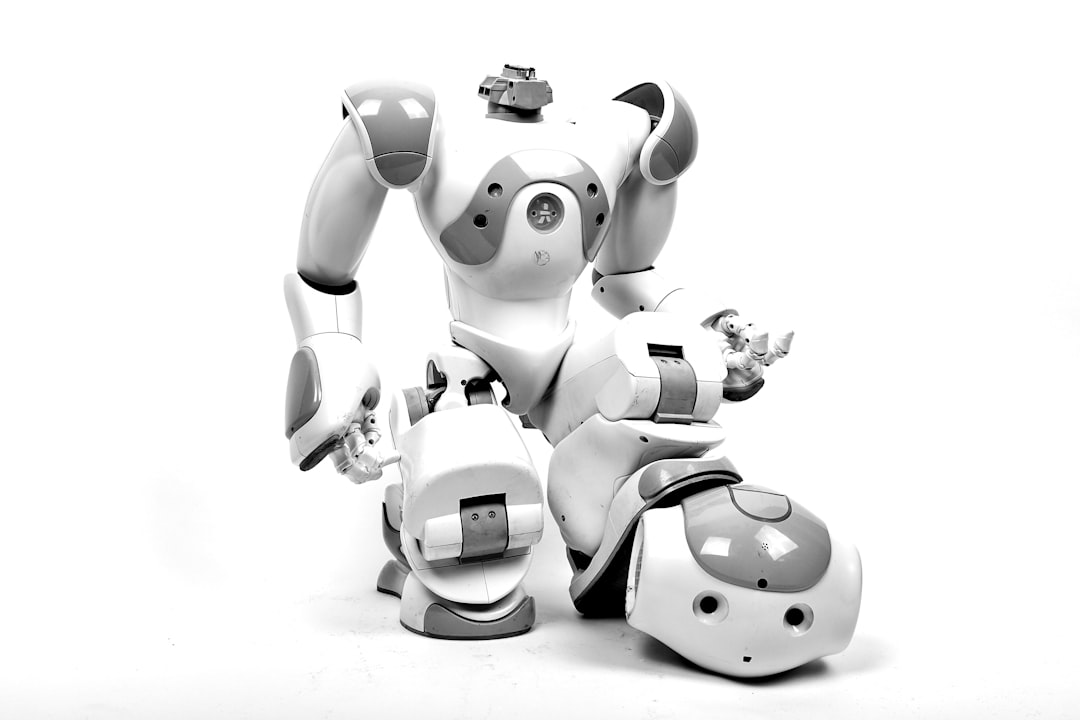
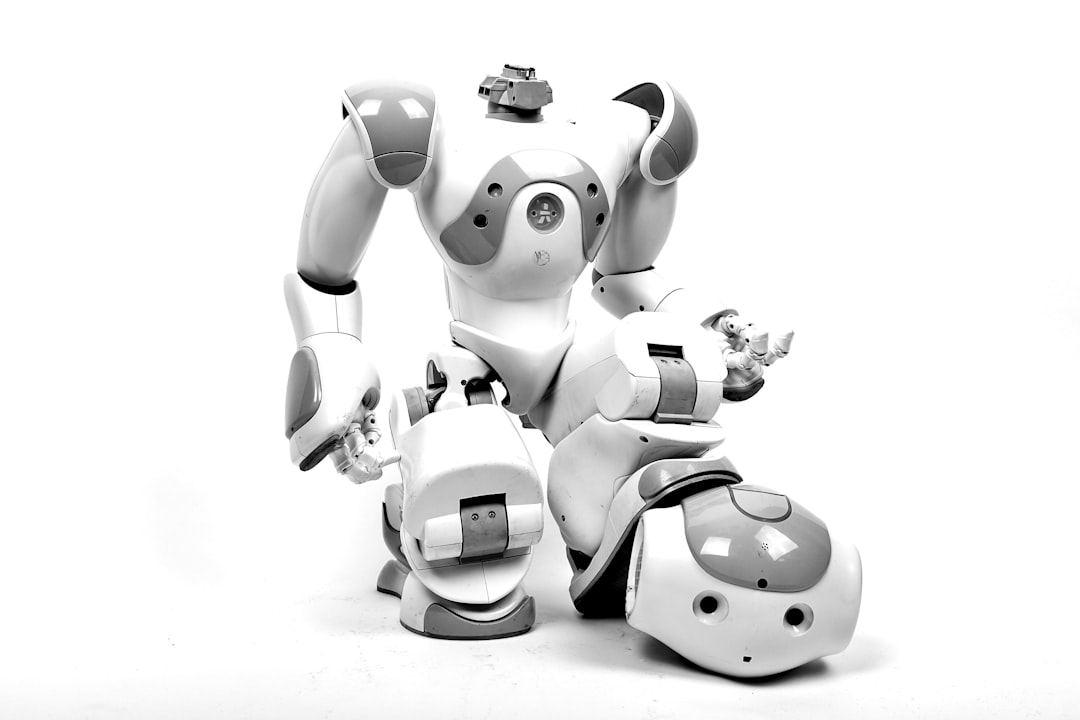
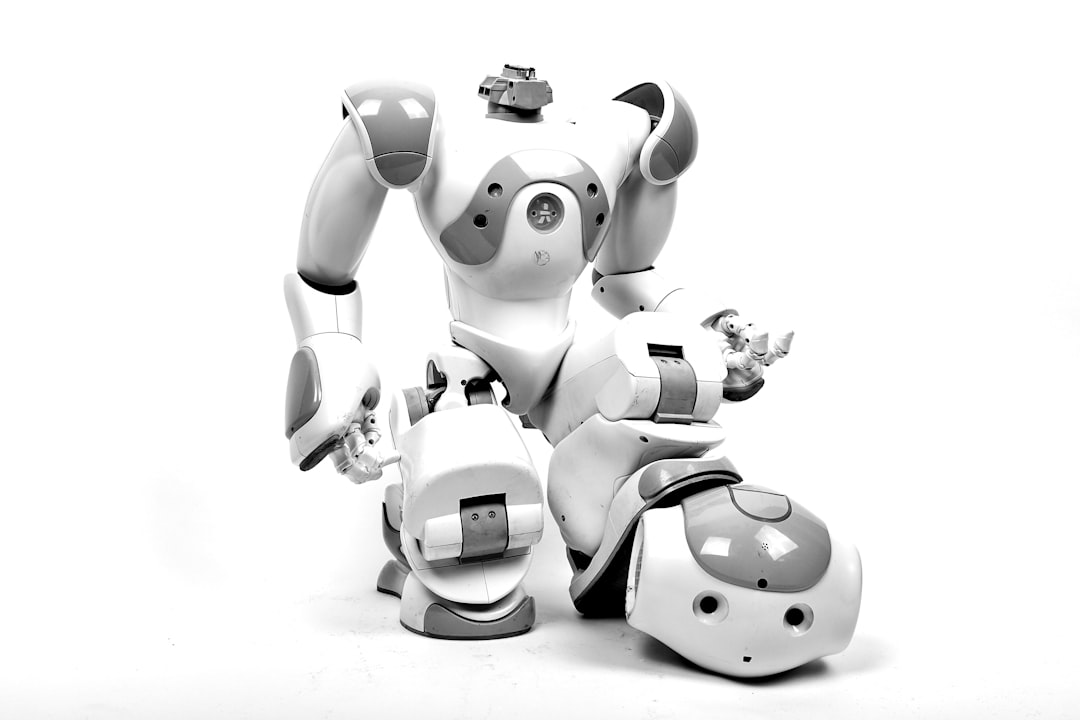
Traditional robotic systems often operate with rigid programming and limited real-time adaptability. This rigidity makes them vulnerable to unforeseen stresses, material fatigue, or even minor calibration errors that can lead to a joint seizing up. The consequences extend beyond mere inconvenience, impacting productivity, worker safety, and the overall return on investment for robotic installations. Addressing this fundamental vulnerability is key to unlocking the next generation of robust and resilient robotic systems.
Intelligent Control: A Breakthrough in Jamming Prevention
A significant leap forward in robotic engineering involves the development of new control software designed to proactively prevent joint jamming. This innovative approach moves beyond reactive maintenance, offering a foresight into potential mechanical stress and enabling robots to adjust their movements before issues escalate. The core of this technology lies in its ability to understand and predict the physical dynamics of a robot's joints, ensuring smoother, more controlled operations even under varying conditions.
How Traditional Systems Fall Short
Conventional robotic control typically relies on pre-programmed trajectories and fixed force limits. While effective for repetitive tasks in controlled environments, these systems struggle when faced with minor inconsistencies, external disturbances, or the gradual wear and tear that naturally occurs over a robot's operational lifespan. A slight misalignment, an unexpected load, or even accumulated friction can push a joint beyond its tolerance, leading to a jam. Without a mechanism to detect and mitigate these subtle precursors, traditional robots are often left to react only once a problem has already manifested, resulting in abrupt stops and potential damage.
The Mechanism of Prevention
The new generation of control software employs sophisticated algorithms that continuously monitor various parameters within the robot's joints, such as motor current, temperature, position error, and subtle vibrations. By analyzing this data in real-time, the software can identify patterns indicative of impending stress or potential for jamming. It then dynamically adjusts the robot's movement parameters – such as speed, acceleration, and torque distribution – to alleviate stress on critical points. This proactive adjustment can involve subtle changes in trajectory, momentary reductions in force, or even adaptive micro-movements that redistribute pressure, effectively preventing the joint from reaching a critical jamming threshold. This intelligent, adaptive control transforms a robot from a rigid follower of instructions into a system capable of self-preservation and sustained operational integrity.
Unlocking Collaborative Intelligence Across Diverse Hardware
Beyond preventing mechanical failures, this advanced control software introduces another revolutionary capability: enabling robots to learn from each other, irrespective of their underlying hardware differences. This breaks down significant barriers in multi-robot environments, fostering a truly collaborative and adaptive ecosystem where knowledge is shared and utilized efficiently.
The Power of Shared Learning
The concept of robots learning from one another is not entirely new, but the ability to do so across heterogeneous hardware platforms represents a substantial breakthrough. In traditional setups, knowledge transfer between robots often required identical or highly similar hardware and software stacks, limiting the scope of collaboration. With this new software, a robot can perform a task, and its learned efficiencies, optimal movement patterns, or problem-solving strategies can then be abstracted and shared. Another robot, even one with a different number of joints, different motor types, or varying physical dimensions, can then interpret and apply this shared knowledge to its own specific kinematics and operational parameters. This dramatically accelerates the learning curve for new tasks and enhances the collective intelligence of an entire robotic fleet.
Bridging Hardware Gaps
The key to this cross-hardware learning lies in the software's ability to create a high-level, hardware-agnostic representation of tasks and learned behaviors. Instead of sharing raw motor commands, which would be incompatible between different robots, the software translates experiences into generalized goals, constraints, and environmental interactions. For example, a robot might learn the most efficient way to pick up a delicate object while avoiding obstacles. This 'skill' is then encoded in a way that describes the desired outcome and relevant environmental factors, rather than specific joint angles. A different robot, equipped with the same intelligent control software, can then take this abstract knowledge and translate it into its own unique set of motor commands and joint movements, effectively replicating the learned skill adapted to its own physical form. This abstraction layer is crucial, allowing for unprecedented flexibility and scalability in robotic deployments.
Practical Implications and the Future Landscape of Robotics
The dual capabilities of preventing joint jamming and facilitating cross-hardware learning have profound implications for the future of robotics and automation. These advancements pave the way for more robust, adaptable, and cost-effective robotic solutions across a multitude of industries.
Enhanced Durability and Uptime
For businesses, the direct benefit of jamming prevention is significantly increased operational uptime and reduced maintenance costs. Robots can operate reliably for longer periods, requiring less frequent intervention and fewer expensive part replacements. This translates directly into higher productivity, more predictable production schedules, and a stronger return on investment for robotic systems. The proactive nature of the software means that potential issues are addressed before they become critical failures, shifting from reactive repairs to predictive maintenance, optimizing the robot's entire lifecycle.
Accelerated Development and Deployment
The ability for robots to learn from each other, regardless of their hardware, dramatically shortens the development and deployment cycles for new tasks. Instead of individually programming each robot for every new function, a skill learned by one robot can be rapidly propagated across an entire diverse fleet. This means faster adaptation to changing production needs, easier scaling of operations, and a reduction in the specialized programming expertise required. Companies can mix and match robot models from different manufacturers, confident that they can still benefit from a shared knowledge base.
Expanding Robotic Capabilities
This intelligent control software enables robots to tackle more complex and unstructured environments. With enhanced reliability and the capacity for shared, adaptive learning, robots can move beyond highly repetitive, predictable tasks into roles requiring greater autonomy, flexibility, and problem-solving. This opens doors for advanced applications in areas like disaster response, personalized manufacturing, complex logistics, and even collaborative human-robot workspaces where robots need to adapt to dynamic changes and learn on the fly. The potential for more versatile and resilient automation is immense.
Conclusion: A New Era of Robust and Intelligent Robotics
The introduction of robotic control software that intelligently prevents joint jamming and facilitates cross-hardware learning marks a pivotal moment in the evolution of automation. By addressing fundamental challenges in robot reliability and fostering unprecedented levels of collaborative intelligence, this technology promises to make robotic systems more durable, adaptable, and cost-effective than ever before. It ushers in an era where diverse robot fleets can work in harmony, continuously learning and improving, ultimately paving the way for more resilient, efficient, and versatile automated solutions across industries worldwide. This innovation is not merely an improvement; it's a fundamental shift towards truly intelligent and self-sustaining robotic ecosystems.