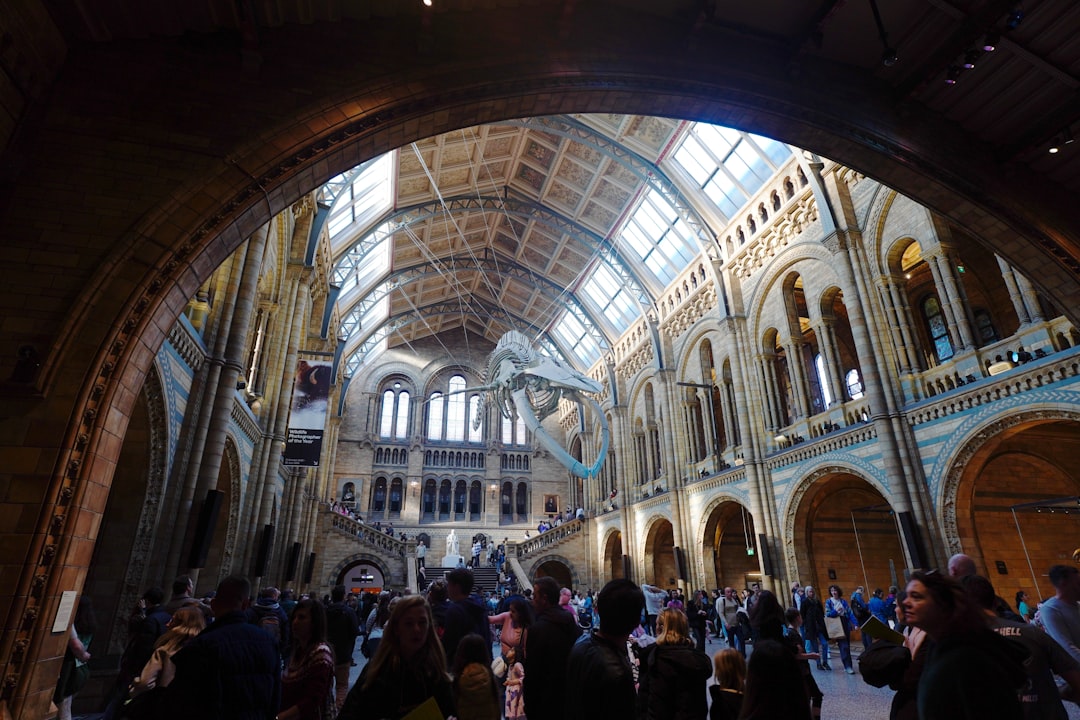
In a significant shift within the United Kingdom's cultural landscape, the Natural History Museum has officially surpassed the British Museum to become the nation's most visited tourist attraction. This monumental achievement is underscored by the fact that the South Kensington institution also broke the long-standing record for the highest number of visitors to any museum or gallery in a single year, marking a remarkable milestone in its history and for the wider UK tourism sector.
The announcement signifies not only the Natural History Museum's growing popularity but also reflects evolving trends in what draws audiences to cultural sites. While the British Museum has historically held the top spot, the Natural History Museum's recent success highlights the profound appeal of its unique collections, engaging exhibitions, and its ability to connect with a broad and diverse audience, from curious children to seasoned academics.
A Monumental Shift in UK Tourism and Culture
This change at the pinnacle of UK tourism is more than just a statistical update; it represents a noteworthy moment for the country’s rich tapestry of cultural institutions. For years, the British Museum, with its unparalleled collection spanning millennia of human history, has been the undisputed leader in visitor numbers. The Natural History Museum's ascendancy to this coveted position demonstrates a powerful resonance with contemporary audiences, who are increasingly drawn to interactive, educational experiences that often focus on the natural world and pressing global issues like biodiversity and climate change.
Breaking the annual visitor record across all museums and galleries further solidifies the scale of this achievement. It suggests a confluence of factors, including strategic programming, an enhanced visitor experience, and perhaps a post-pandemic surge in demand for family-friendly, awe-inspiring destinations. This record-breaking attendance underscores the vital role cultural institutions play in national well-being and economic recovery, drawing millions of domestic and international visitors to London and the UK.
The Allure of the Natural History Museum: What Draws the Crowds?
The Natural History Museum's success is no accident. It is the culmination of decades of dedication to both scientific research and public engagement. Several key elements contribute to its magnetic appeal:
- Iconic Collections and Exhibits: The museum is home to millions of specimens spanning botany, entomology, mineralogy, paleontology, and zoology. Its most famous draws include the spectacular Hintze Hall, dominated by the colossal skeleton of a blue whale named Hope, which replaced the beloved Dippy the dinosaur. The Dinosaur Gallery, with its animatronic T-Rex and impressive fossil displays, remains a perennial favorite, captivating the imaginations of visitors of all ages.
- Architectural Grandeur: The Alfred Waterhouse building itself is a masterpiece of Romanesque architecture. Its intricate terracotta facade, adorned with carvings of flora and fauna, is an attraction in its own right, creating an immersive and inspiring atmosphere even before visitors step inside.
- Engaging and Relevant Exhibitions: The museum consistently hosts temporary exhibitions that delve into current scientific discoveries, environmental challenges, and the wonders of the natural world. These often combine cutting-edge research with interactive elements, making complex topics accessible and fascinating for a broad audience.
- Family-Friendly Focus: With numerous hands-on activities, educational programs, and captivating displays, the Natural History Museum excels at catering to families. Its focus on discovery and learning through exploration makes it an ideal destination for school holidays and weekend outings.
- Free Entry and Accessibility: Like many major UK museums, the Natural History Museum offers free general admission, making it accessible to everyone. This open-door policy significantly contributes to its high visitor numbers and its role as a public amenity.
Understanding the British Museum's Enduring Appeal and Recent Trends
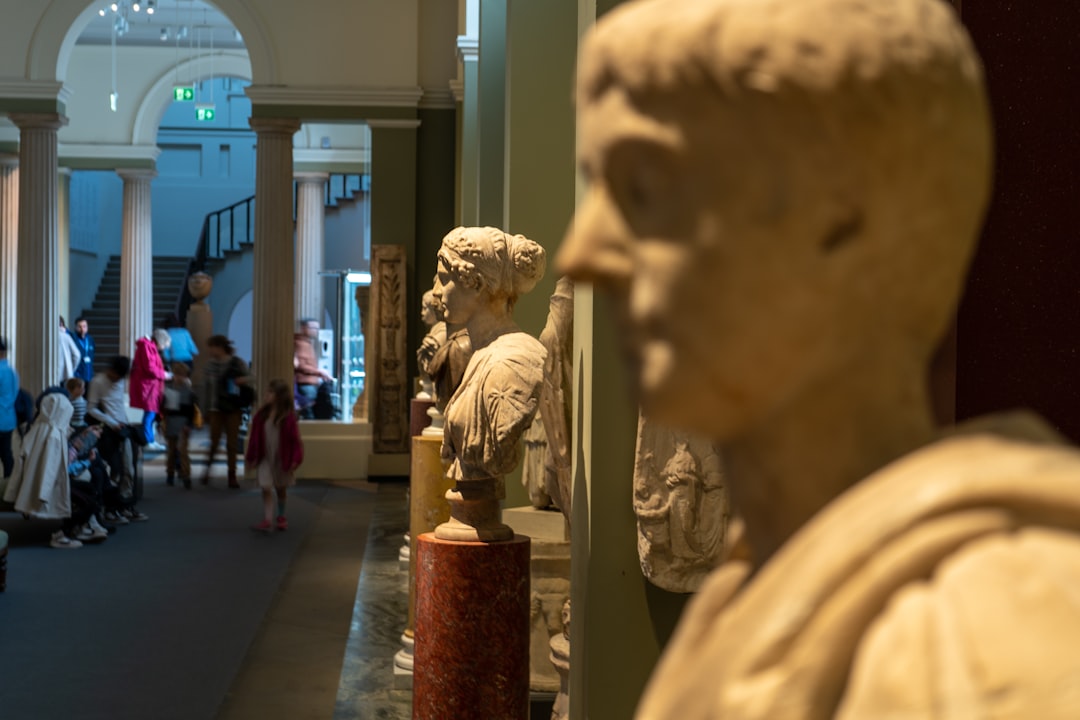
While the Natural History Museum now holds the top spot, it is crucial to acknowledge the enduring significance and immense appeal of the British Museum. This venerable institution remains a global treasure, housing a collection of world art and artifacts unparalleled in its scope and historical depth. From the Rosetta Stone and the Elgin Marbles to ancient Egyptian mummies and the Sutton Hoo treasures, its galleries offer a journey through human civilization across continents and millennia.
The British Museum continues to attract millions of visitors annually, cementing its place as a cornerstone of London's cultural offerings. Its focus on human history, archaeology, and ethnography provides a different, yet equally profound, educational experience. The recent shift in visitor numbers does not diminish its importance but rather highlights the dynamic nature of cultural tourism and the varied interests of modern audiences. Factors such as specific exhibition cycles, marketing strategies, and even global travel trends can influence year-on-year visitor figures for any major attraction.
Broader Implications for UK Cultural Institutions and Tourism
The Natural History Museum's record-breaking year has wider implications for the entire UK cultural sector and the national tourism economy. High visitor numbers translate directly into significant economic benefits, supporting jobs in hospitality, retail, and transportation, and reinforcing London's reputation as a world-leading cultural capital.
This achievement also serves as a powerful testament to the effectiveness of strategic planning and visitor engagement. Museums are no longer static repositories of objects; they are dynamic centers of learning, entertainment, and community. Institutions that prioritize immersive experiences, relevant narratives, and accessibility are more likely to thrive in an increasingly competitive leisure market.
Moreover, the success of a science-focused museum like the Natural History Museum can inspire greater public interest in science, environmental conservation, and critical thinking. By making complex scientific concepts engaging and understandable, these institutions play a vital role in educating the public and fostering a sense of wonder about the world around us.
The Future of London's Museum Scene: Innovation and Engagement
The landscape of London's museums is one of constant evolution and innovation. The Natural History Museum's triumph underscores a trend towards greater interactivity, a focus on current global issues, and a commitment to creating memorable, inspiring experiences for visitors. Museums across the capital are continually investing in new exhibitions, digital technologies, and improved facilities to meet changing visitor expectations.
Looking ahead, we can expect cultural institutions to continue pushing boundaries, leveraging technology to enhance accessibility and engagement, and diversifying their offerings to appeal to an even broader audience. The healthy competition among these world-class venues ultimately benefits the public, ensuring that London remains a vibrant hub for culture, history, and scientific discovery.
Planning Your Visit: Maximizing Your Museum Experience
For those planning to visit London’s incredible museums, a few tips can enhance the experience. Consider visiting during off-peak hours, such as weekday mornings, to avoid the largest crowds. While general admission is often free, some special exhibitions may require pre-booked, timed tickets, so it's always wise to check the museum's official website in advance. Both the Natural History Museum and the British Museum offer extensive amenities, including cafes, shops, and guided tours, all designed to enrich your visit.
Whether you are drawn to the awe-inspiring wonders of the natural world or the profound narratives of human civilization, London's museums offer unparalleled opportunities for exploration and learning. The Natural History Museum's new status as the UK's top attraction is a testament to its exceptional appeal and an invitation to discover the incredible stories it holds within its magnificent walls.