
In a monumental step towards renewing human exploration of the Moon, NASA's colossal Space Launch System (SLS) rocket, carrying the Orion spacecraft, has completed its journey back to Launch Complex 39B at Kennedy Space Center. This critical maneuver positions the hardware for a crucial series of pre-flight checks, known as the Wet Dress Rehearsal (WDR), marking a significant milestone for the Artemis I mission—an uncrewed test flight designed to orbit the Moon.
This return to the pad is not merely a logistical exercise; it represents the culmination of years of development and meticulous preparation for a mission that will pave the way for astronauts to venture around the lunar surface for the first time in over five decades. The successful execution of the WDR is essential, providing NASA with vital data and confidence before committing to a launch date, which could potentially open up windows for liftoff in the coming months, depending on the test results and subsequent data analysis.
The Dawn of a New Lunar Era: Artemis I's Critical Step
The Artemis program signifies a bold new chapter in space exploration, aiming not just for a fleeting visit but for a sustainable human presence on the Moon and, eventually, Mars. Artemis I is the foundational mission, an uncrewed flight test that will rigorously evaluate the integrated SLS rocket and Orion spacecraft systems in a deep-space environment. Its primary objectives include demonstrating Orion's capabilities, from launch through splashdown, and assessing the heat shield's performance upon re-entry into Earth's atmosphere at lunar return velocities.
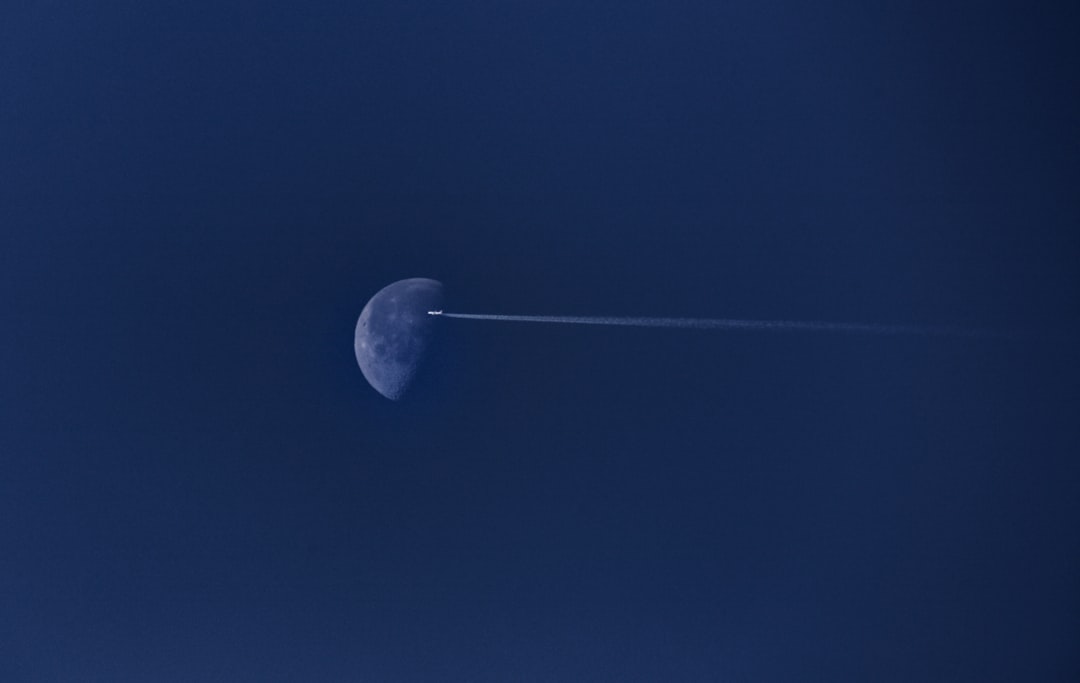
This mission will send Orion thousands of miles beyond the Moon, farther than any human-rated spacecraft has ever traveled, pushing its limits and gathering invaluable data for future crewed flights. The data collected on radiation levels, vehicle performance, and life support systems during this extended mission will be paramount for ensuring the safety and success of Artemis II, which will carry astronauts, and Artemis III, which aims to land the first woman and next man on the lunar south pole.
Understanding the Artemis I Mission: Uncrewed Pioneer
Artemis I is more than just a rocket launch; it's a comprehensive engineering demonstration. The mission profile involves launching the SLS rocket from Launch Complex 39B, sending the Orion spacecraft on a trajectory around the Moon. Orion will perform several orbits of the Moon, collecting data and testing its systems, before returning to Earth for a precision splashdown in the Pacific Ocean. This uncrewed approach allows engineers to identify and resolve any unforeseen challenges without risking human lives.
During its multi-week journey, Orion will deploy a series of CubeSats, small satellites designed to conduct various scientific experiments and technology demonstrations. These secondary payloads will contribute to a broader understanding of the lunar environment and spaceflight technologies, enhancing the overall scientific yield of the mission. The success of Artemis I is critical for proving the capabilities of the entire Artemis architecture, setting the stage for human boots on the Moon once again.
The Powerhouses: SLS Rocket and Orion Spacecraft
At the heart of the Artemis program are two engineering marvels: the Space Launch System (SLS) rocket and the Orion spacecraft. The SLS is NASA's most powerful rocket ever built, designed to carry heavy payloads and crew farther into space than any previous vehicle. Standing an impressive 322 feet (98 meters) tall in its initial configuration, the Block 1 version, it generates 8.8 million pounds of thrust at launch, surpassing even the mighty Saturn V rockets of the Apollo era.
The SLS comprises a core stage powered by four RS-25 engines (repurposed Space Shuttle Main Engines), two massive solid rocket boosters, and an Interim Cryogenic Propulsion Stage (ICPS) that provides the necessary thrust to send Orion to the Moon. Its immense power is crucial for escaping Earth's gravity and setting a course for deep space. The rocket's design also emphasizes modularity, allowing for future upgrades to increase its lift capability for even more ambitious missions.
Perched atop the SLS is the Orion spacecraft, a state-of-the-art capsule meticulously engineered for long-duration deep-space missions with a crew of up to four astronauts. Orion's design incorporates advanced life support systems, robust radiation shielding, and highly capable propulsion and navigation systems. Its European Service Module (ESM), provided by ESA (European Space Agency), supplies the spacecraft's main propulsion, power, thermal control, and essential consumables like water and oxygen.
The capsule itself is equipped with a sophisticated avionics system, communication capabilities, and a launch abort system designed to protect astronauts in the event of an emergency during liftoff. For Artemis I, Orion will carry mannequins outfitted with sensors to collect data on acceleration, vibration, and radiation exposure, providing invaluable insights into the environment future human crews will experience.
From Assembly to Launch Pad: The Journey of a Giant
The journey of the SLS and Orion from the iconic Vehicle Assembly Building (VAB) to Launch Complex 39B is a spectacle in itself. The colossal stack, weighing millions of pounds, is transported slowly and deliberately by the Crawler-Transporter 2, a tracked vehicle system that has been upgraded and maintained since the Apollo and Space Shuttle programs. This multi-mile trek can take several hours, moving at a painstakingly slow pace to ensure the delicate cargo's safety.
The Vehicle Assembly Building's Role
The Vehicle Assembly Building at Kennedy Space Center is one of the largest buildings in the world by volume, serving as the vertical integration facility for the SLS rocket and Orion spacecraft. Here, different stages of the rocket, along with the Orion capsule, are meticulously stacked and assembled. This controlled environment allows engineers to work on the complex hardware with precision, ensuring every component is perfectly aligned and connected before rollout. The VAB is a testament to the scale and complexity of human spaceflight, a place where individual pieces come together to form a monumental launch vehicle.
The Wet Dress Rehearsal Explained
Upon arrival at Launch Complex 39B, the primary focus shifts to the Wet Dress Rehearsal (WDR). This comprehensive test simulates critical launch day activities without actually lifting off. During the WDR, the SLS core stage and Interim Cryogenic Propulsion Stage (ICPS) are fully loaded with over 700,000 gallons of super-cold liquid oxygen and liquid hydrogen propellants. This process tests the ground systems, the rocket's plumbing, and the launch control team's procedures for fueling and de-fueling operations.
The rehearsal also involves practicing the countdown to T-0 (zero seconds before launch), pausing just before engine ignition, and then safely draining the propellants. This elaborate exercise is crucial for identifying any potential issues with the cryogenic fueling process, hardware, or software, and for refining the launch team's readiness. A successful WDR is a mandatory prerequisite for setting an official launch date for the Artemis I mission, providing the final stamp of confidence in the entire launch system.
A Look Ahead: The Future of Lunar Exploration
The Artemis program represents a paradigm shift in space exploration, moving beyond flags and footprints to establishing a sustained presence on and around the Moon. Artemis II will be the first crewed flight, sending astronauts on a lunar flyby, demonstrating the life support systems and operational procedures with humans aboard. Following that, Artemis III aims to land astronauts near the Moon's south pole, an area of particular scientific interest due to the potential presence of water ice in permanently shadowed craters, which could be a vital resource for future lunar habitats and missions to Mars.
NASA's long-term vision includes building the Gateway, a lunar orbiting outpost, and developing advanced lunar landers and habitats. These elements will facilitate extended stays on the lunar surface, enabling scientific research, resource utilization, and the development of technologies crucial for deeper space exploration. The Artemis program fosters international collaboration, bringing together partners from around the world to share in the challenges and triumphs of this ambitious endeavor, charting a course for humanity's future among the stars.
The rollback of the Artemis I rocket to the launch pad is not just a technical maneuver; it is a powerful visual reminder of humanity's enduring drive to explore. As the world watches, the upcoming Wet Dress Rehearsal will be the final major hurdle before the powerful SLS rocket and Orion spacecraft embark on their historic journey around the Moon, ushering in a new era of lunar and deep-space exploration that promises to inspire generations to come.