The geopolitical landscape of the Middle East remains fraught with tension, and recent escalations have cast a long shadow across daily life in Israel. For many citizens, the rhythm of existence has been increasingly punctuated by the jarring sound of air raid sirens and the constant shadow of regional instability. Yet, amidst this palpable weariness and the enduring challenges of prolonged conflict, a striking sentiment emerges from the Israeli public: a broad endorsement for a firm stance, potentially involving military action, against Iran.
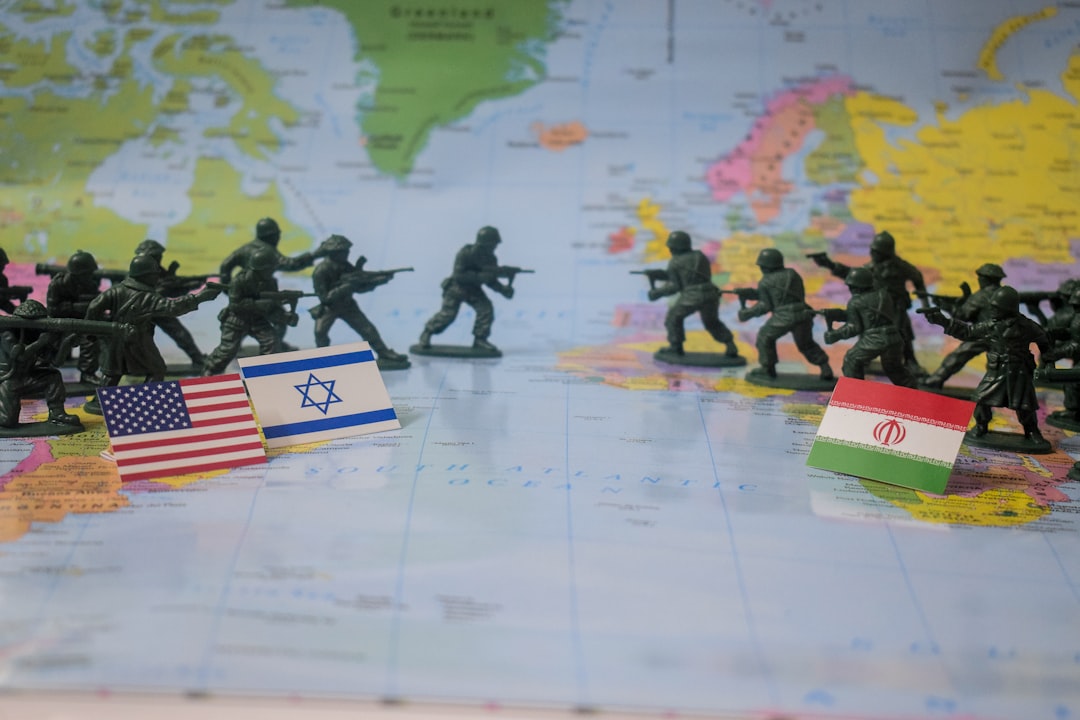
This prevailing mood, observed even as communities grapple with the exhausting realities of ongoing security alerts and the wider upheaval, highlights a complex interplay of fatigue and resolve. While the desire for peace and stability is undoubtedly strong, the perceived threat from Iran appears to galvanize a unified front among Israelis, transcending the day-to-day strains. The prospect of a coordinated, robust response, often discussed in the context of a potential US-Israeli military campaign, resonates with a public that views Iran's actions as a direct challenge to its security.
Experts suggest that this widespread support stems from a deep-seated conviction regarding national security. The historical context of regional animosities, coupled with Iran's stated ambitions and its support for various proxy groups, contributes to a pervasive sense of vulnerability. For many, a decisive countermeasure is seen not as an aggressive act, but as a necessary defensive posture to protect the nation's sovereignty and its citizens' safety. This perspective often outweighs the immediate discomfort and psychological toll of heightened alerts and military readiness.
The public's support is not necessarily born of an eagerness for conflict, but rather a weary determination to safeguard the nation's future. It reflects a collective understanding that, despite the immense personal cost of ongoing strife, inaction against a perceived existential threat could carry even graver consequences. This paradox—simultaneously yearning for tranquility while supporting potentially escalatory measures—underscores a profound commitment to national defense.
For policymakers in Jerusalem and Washington, this public sentiment provides a critical backdrop. It suggests that despite the significant burden placed on civilians, there is a societal consensus for confronting perceived threats head-on. This collective resolve, even when the path ahead appears fraught with peril and demands immense resilience from its populace, signals a deep-seated national priority that informs strategic decisions in a highly volatile region.