The Imperative of Bycatch Reduction in Modern Fisheries
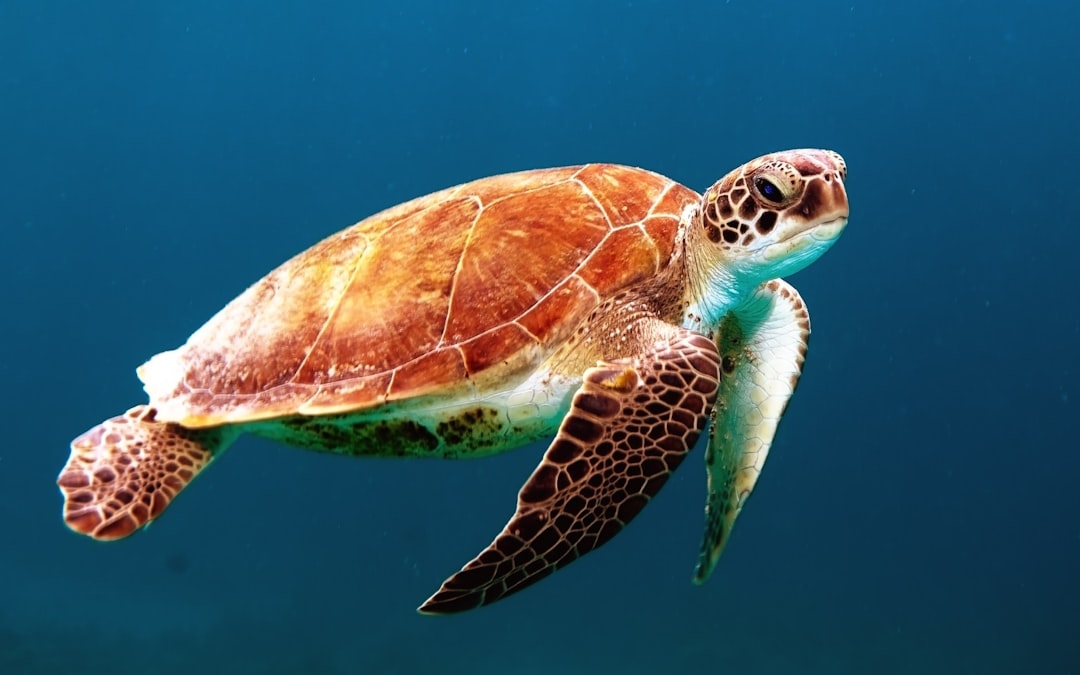
The global demand for seafood continues to rise, placing immense pressure on marine ecosystems. A significant challenge within this context is bycatch—the unintentional capture of non-target species during fishing operations. This ecological and economic dilemma affects countless marine creatures, from majestic sea turtles and playful dolphins to seabirds, sharks, and juvenile fish. Bycatch not only threatens the survival of vulnerable populations but also represents a substantial waste of marine resources, impacting the long-term viability of fisheries and the health of our oceans. However, a new wave of innovative fishing technologies is emerging, offering promising solutions to drastically reduce bycatch without compromising the ability of fishermen to harvest their intended catch. These advancements are crucial for fostering a more sustainable and responsible approach to fishing, ensuring the vitality of marine life for generations to come.
Understanding the scale of bycatch is critical to appreciating the urgency of these technological solutions. Annually, millions of tons of marine life are discarded, often dead or dying, as bycatch. This wastage directly contributes to population declines for numerous species, disrupts delicate marine food webs, and can even lead to the collapse of local ecosystems. For iconic species like sea turtles, which are often caught in trawl nets or hooked on longlines, bycatch is a primary driver of their endangered status. Similarly, marine mammals, seabirds, and non-commercial fish species face significant threats. Beyond the environmental devastation, bycatch imposes economic burdens on the fishing industry through regulatory restrictions, lost fishing time, and the diminished public perception of unsustainable practices. Embracing smart, targeted fishing methods is therefore not just an environmental necessity but an economic imperative for the future of commercial fishing.
Revolutionary Technologies for Smarter, Cleaner Fishing
The good news is that human ingenuity is rising to meet this challenge. A variety of technologies, from subtle gear modifications to advanced electronic systems, are being developed and deployed to allow fishermen to target their desired catch with unprecedented precision, dramatically reducing the capture of non-target species. These innovations are transforming fishing into a more selective and environmentally conscious industry.
Sophisticated Gear Modifications
One of the most direct ways to reduce bycatch is by redesigning the fishing gear itself. These modifications allow non-target species to escape while retaining the desired catch.
- Turtle Excluder Devices (TEDs): Perhaps one of the most well-known bycatch reduction technologies, TEDs are specialized grids or panels incorporated into trawl nets. Designed with an escape opening, they allow larger animals like sea turtles and sharks to exit the net before they are brought aboard, while smaller target fish pass through into the cod end. These devices have been instrumental in saving countless sea turtles and are mandated in many shrimp fisheries worldwide.
- Bycatch Reduction Devices (BRDs): Similar in principle to TEDs but designed for other non-target species, BRDs come in various forms, such as gridded panels or escape openings, that allow smaller, juvenile fish or non-commercial species to escape. Different designs are tailored for specific fisheries and target species, optimizing the selectivity of the net without significantly reducing the catch of desired fish.
- Net Design Enhancements: Innovations in net construction, such as increasing mesh size in specific sections or using square mesh panels, can allow smaller, non-marketable fish to swim free. The material and color of nets can also be adjusted to improve visibility for certain marine animals, helping them to avoid entanglement.
- Circle Hooks: In longline fisheries, where lines extending for miles are set with thousands of baited hooks, traditional J-hooks often lead to deep hooking of sea turtles, sharks, and seabirds, causing severe injury or death. Circle hooks, with their distinctive shape, are much less likely to be swallowed, tending to catch in the corner of the animal's mouth, making release easier and increasing survival rates.
Acoustic and Visual Deterrents
Beyond physical modifications, technologies that leverage marine animals' sensory perceptions are proving highly effective.
- Acoustic Pingers: These small, battery-powered devices emit high-frequency sounds that deter marine mammals, such as dolphins and porpoises, from approaching fishing nets. By alerting these sensitive animals to the presence of gear, pingers help prevent entanglement, a major cause of marine mammal bycatch in gillnet fisheries.
- LED Lights: Research has shown that attaching LED lights to gillnets can significantly reduce the bycatch of sea turtles and seabirds. The lights make the nets more visible to these animals, allowing them to detect and avoid the gear. Different light colors are being tested for their effectiveness with various species, offering a simple yet powerful solution.
Precision Fishing and Data-Driven Strategies
Modern technology also enables fishermen to make smarter decisions about where, when, and how they fish, moving towards a more data-informed approach.
- Electronic Monitoring Systems: On-board cameras, sensors, and GPS trackers can monitor fishing activities, provide real-time data on catch and bycatch, and ensure compliance with regulations. This not only enhances accountability but also provides invaluable data for scientific research and adaptive management.
- Predictive Modeling and Real-time Alerts: By combining satellite data on oceanographic conditions (like temperature and currents) with historical bycatch data and species distribution models, scientists can predict areas where encounters with vulnerable species are likely. This information can then be relayed to fishermen as real-time alerts, advising them to avoid certain areas or adjust their fishing methods, thus proactively preventing bycatch.
- Remote Sensing and Drones: Drones and remotely operated vehicles (ROVs) can be used to survey fishing grounds, identify target fish schools, and detect the presence of protected species before nets are deployed, allowing for more targeted and selective fishing operations.
Beyond Conservation: The Broader Benefits of Bycatch Reduction
While the primary goal of these technologies is marine conservation, their widespread adoption yields a cascade of additional benefits that extend far beyond simply protecting vulnerable species. For the fishing industry itself, reducing bycatch translates into greater operational efficiency. Time and effort spent sorting and discarding unwanted catch can be redirected towards processing valuable target species. Moreover, bycatch reduction technologies often lead to less damage to nets and gear from struggling non-target animals, reducing repair costs and extending equipment lifespan.
Economically, fisheries that implement bycatch reduction strategies can gain a competitive edge. They may achieve eco-certification, opening access to markets that prioritize sustainably sourced seafood and allowing for premium pricing. Reduced bycatch also means less waste, converting what would otherwise be discarded into a more focused and profitable harvest. Socially, the adoption of these responsible practices enhances the public image of the fishing industry, fostering trust among consumers and mitigating conflict with environmental groups. Ultimately, investing in bycatch reduction is an investment in the long-term health and profitability of the fishing industry, aligning economic success with environmental stewardship and ensuring vibrant marine ecosystems for future generations.
Challenges and the Path Forward
Despite their immense promise, the widespread adoption of bycatch reduction technologies faces several hurdles. The initial cost of acquiring and integrating new equipment can be prohibitive for small-scale fisheries. Furthermore, some fishermen may express resistance to change, fearing that new gear could reduce their overall catch or complicate their operations. The effectiveness of these technologies can also vary significantly depending on the specific fishery, target species, non-target species, and environmental conditions, requiring ongoing research and adaptation.
Overcoming these challenges necessitates a collaborative effort among scientists, fishermen, policymakers, and conservation organizations. Subsidies or incentive programs can help offset the cost of new equipment. Educational initiatives are vital to demonstrate the long-term benefits and practical implementation of these technologies to fishing communities. Continued research and development are crucial to refine existing solutions and invent new ones that are even more effective, affordable, and adaptable to diverse fishing environments. By embracing a spirit of innovation and cooperation, we can ensure that fishing remains a vital economic activity while preserving the rich biodiversity of our oceans.