A New Dawn for Rural Landscapes: The Transformative Power of Hedgerow Restoration
A significant new initiative focused on revitalizing vital ecological corridors has commenced on a prominent agricultural estate, heralding a future where farming and nature thrive in concert. This ambitious hedgerow restoration project, spearheaded by the National Trust, is poised to deliver profound benefits, not only significantly boosting local biodiversity but also enhancing the very productivity of the farm itself. It represents a critical step towards integrating sustainable land management practices with robust environmental stewardship, creating resilient ecosystems that support both flora and fauna alongside prosperous agricultural output.
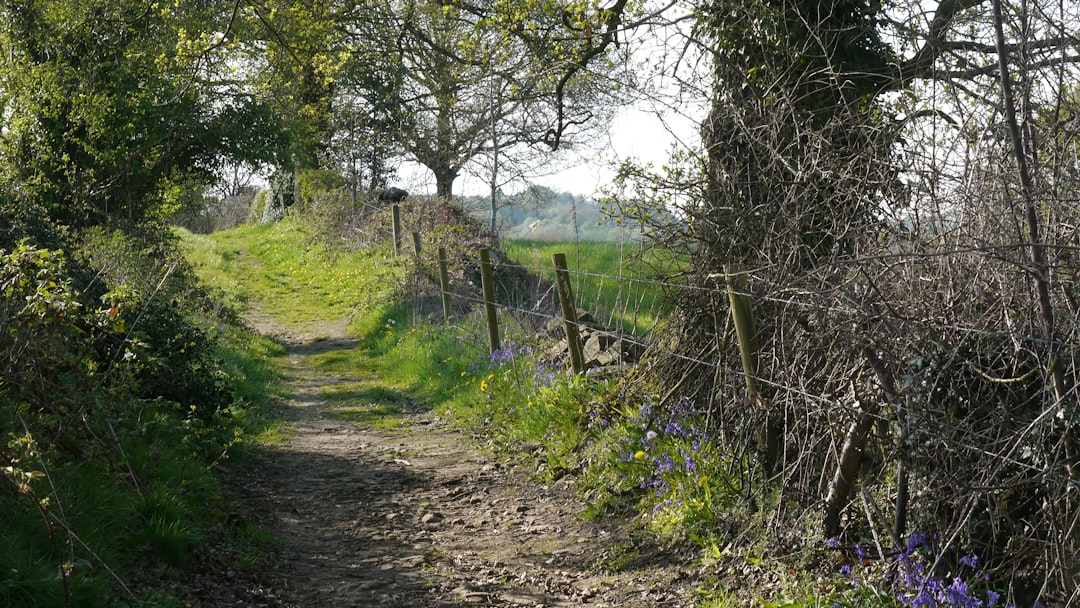
For centuries, hedgerows have been the unsung heroes of the British countryside, acting as intricate tapestries weaving through fields. Their decline over the past several decades, driven by agricultural intensification and changing land-use practices, has led to a noticeable reduction in rural biodiversity. This project aims to reverse that trend, demonstrating a tangible commitment to restoring these crucial habitats and showcasing a model that could inspire similar efforts nationwide.
The Ecological Imperative: Why Hedgerows are Nature's Superhighways
Hedgerows are far more than mere boundaries; they are vibrant linear ecosystems, providing shelter, food, and migratory pathways for an astonishing array of wildlife. Their multifaceted ecological role makes their restoration an urgent priority for conservationists and sustainable agriculture advocates alike.
Biodiversity Hotspots and Wildlife Corridors
These living fences serve as indispensable habitats for countless species. From nesting birds like linnets and yellowhammers to small mammals such as hedgehogs and dormice, hedgerows offer crucial refuge from predators and harsh weather conditions. The dense network of branches and undergrowth creates ideal breeding grounds and foraging areas. Furthermore, they act as vital ecological corridors, connecting fragmented habitats and allowing species to move safely across landscapes. This connectivity is essential for genetic exchange and for populations to adapt to environmental changes, ultimately strengthening the overall resilience of local ecosystems.
Pollinators and Pest Control
The diverse flora found within hedgerows, including various native shrubs, trees, and wildflowers, provides a continuous source of nectar and pollen throughout the year. This is invaluable for supporting a wide range of pollinators, including bees, butterflies, and hoverflies, which are crucial for the pollination of both wild plants and agricultural crops. Beyond pollination, hedgerows foster populations of beneficial insects suchators, which prey on agricultural pests, reducing the need for chemical interventions and promoting a more natural balance within the farm environment. This natural pest control mechanism contributes directly to the farm's ecological health and economic viability.
Agricultural Advantages: How Hedgerows Cultivate Farm Productivity
While their ecological benefits are undeniable, the direct positive impact of healthy hedgerows on agricultural productivity is often underestimated. This restoration project highlights how nature-based solutions can directly contribute to more efficient and sustainable farming practices.
Soil Health and Water Management
The extensive root systems of hedgerow plants play a critical role in soil conservation. They help to stabilize soil, significantly reducing erosion caused by wind and rain, which can lead to the loss of precious topsoil and vital nutrients. By slowing down water runoff, hedgerows also aid in water infiltration, recharging groundwater reserves and mitigating the risk of flooding in lower-lying areas. This natural water management system is particularly valuable in an era of unpredictable weather patterns, contributing to greater farm resilience.
Shelter for Crops and Livestock
Hedgerows provide invaluable shelter, creating microclimates that benefit both crops and livestock. They act as natural windbreaks, protecting young plants from damaging winds and reducing moisture evaporation from the soil, which can be critical during dry spells. For livestock, hedgerows offer crucial protection from harsh winds and driving rain in winter, and welcome shade during hot summer months, reducing stress and improving animal welfare. This enhanced environment can lead to better crop yields and healthier livestock, translating into tangible economic benefits for the farm.
A Landmark Initiative: The Mechanics of Restoration and Future Vision
The current restoration project is not merely about planting new hedges; it encompasses a holistic approach to revitalizing existing ones and establishing new ones where appropriate, utilizing traditional and modern techniques alike.
Collaborative Conservation in Action
This initiative exemplifies a collaborative approach, bringing together expert ecologists, local volunteers, and farm staff. The National Trust, with its deep expertise in landscape management and conservation, provides the scientific guidance and strategic oversight. The active participation of the farming community ensures that the restoration efforts are integrated seamlessly with ongoing agricultural operations, fostering a sense of shared ownership and long-term commitment to the project's success. This partnership model is crucial for scaling up such efforts across wider landscapes.
Traditional Skills Meet Modern Ecology
The restoration process involves several key methods. Existing, gappy hedgerows are being rejuvenated through traditional hedgelaying techniques, a skilled craft that encourages dense, bushy growth from the base and creates an impenetrable stock barrier. Where hedges have been lost entirely, new ones are being planted using a diverse mix of native species, carefully selected to suit local soil conditions and maximize biodiversity benefits. These new plantings are strategically positioned to enhance connectivity between existing habitats, forming a robust network across the estate. Each step is meticulously planned to ensure ecological integrity and long-term viability.
Cultivating a Greener Future: Broader Implications and Long-Term Impact
This hedgerow restoration project represents more than a localized effort; it serves as a powerful testament to the potential for sustainable land management to address pressing environmental challenges and build a more resilient future.
Economic and Environmental Returns
The investment in hedgerow restoration yields returns on multiple fronts. Environmentally, it contributes to carbon sequestration, helping to mitigate climate change by locking away atmospheric carbon in biomass and soil. Economically, by reducing reliance on synthetic inputs through natural pest control and improving crop and livestock resilience, it can lead to cost savings and more stable farm incomes. Furthermore, a healthier, more biodiverse landscape can enhance the aesthetic appeal of the countryside, potentially boosting rural tourism and supporting local economies.
A Blueprint for Sustainable Agriculture
The success of this project offers a compelling blueprint for other farms and landowners seeking to embrace more sustainable practices. It demonstrates that agricultural productivity and ecological health are not mutually exclusive but are, in fact, deeply interdependent. By integrating nature into farming systems, we can create landscapes that are not only productive but also vibrant, resilient, and rich in biodiversity. This approach is essential for ensuring food security, protecting natural heritage, and fostering a harmonious relationship between human activity and the natural world for generations to come.