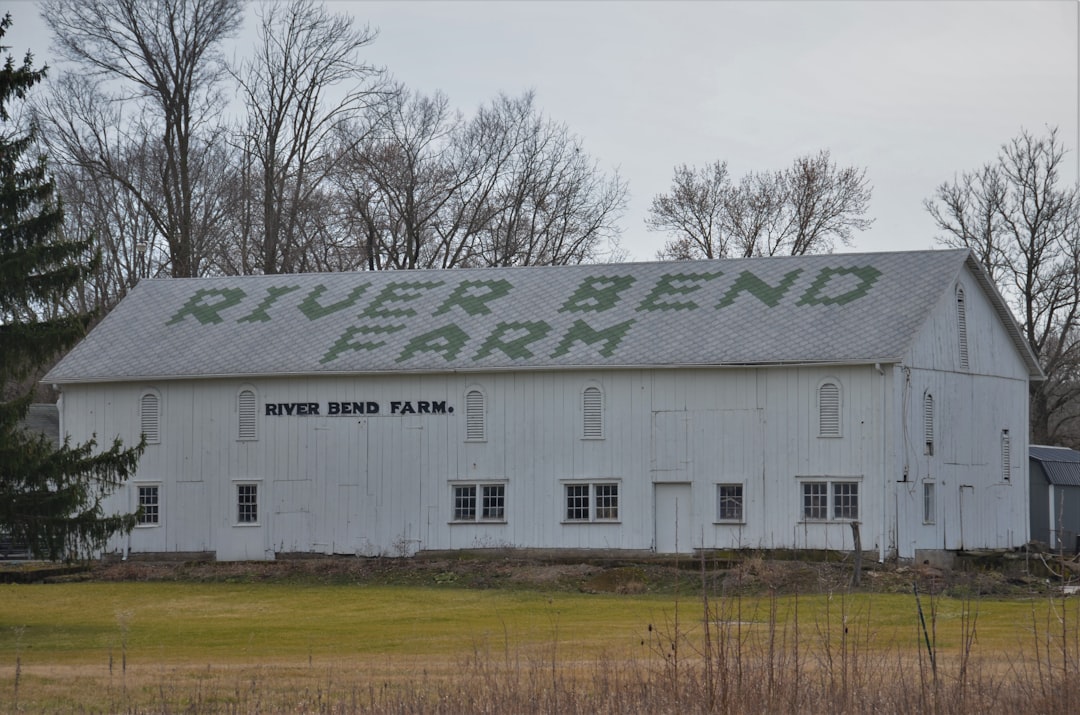
The potential transformation of a former agricultural site into a dedicated lowland peatland research centre marks a pivotal moment for environmental conservation and climate action, offering a beacon of hope for restoring one of the UK’s most endangered and vital ecosystems. This ambitious project aims to reclaim land previously used for farming and convert it into a living laboratory, dedicated to understanding, preserving, and restoring deep lowland peatlands. Such initiatives are critically important, as these unique habitats are not only significant carbon sinks but also host an incredible array of biodiversity and play a crucial role in water management, making their conservation a national priority.
The Critical Importance of Lowland Peatlands
Peatlands, often described as nature's own carbon capture and storage systems, are wetlands characterized by the accumulation of partially decayed organic matter. They cover only 3% of the Earth’s land surface but store twice as much carbon as all the world’s forests combined. Within the broader category of peatlands, lowland peatlands are particularly rare and valuable in the UK. Historically, these areas, with their fertile-looking soils, were extensively drained and converted for agriculture, leading to a significant loss of their natural state and the release of vast quantities of stored carbon into the atmosphere. This extensive alteration means that very few deep lowland peatland sites remain intact, making any opportunity to restore or research them exceptionally significant.

Unique Ecosystems Under Threat
What makes lowland peatlands so special is their distinct ecological composition. Unlike their upland counterparts, lowland peatlands often support a different range of plant and animal species, adapted to their specific hydrological and nutrient conditions. They are home to specialized flora, such as sphagnum mosses, cotton grasses, and carnivorous plants, which in turn support unique invertebrate communities, amphibians, and bird species. However, when these peatlands are drained, they begin to dry out, oxidize, and subside. This process not only releases greenhouse gases but also destroys the delicate balance of the ecosystem, leading to a loss of biodiversity and the degradation of valuable soil structure.
Peatlands as Climate Regulators
Beyond their role as biodiversity hotspots, healthy peatlands are fundamental in regulating our climate. They continuously sequester atmospheric carbon dioxide, locking it away for millennia. When damaged, they become net emitters, contributing significantly to climate change. The rewetting and restoration of former agricultural peatlands can reverse this trend, turning them back into active carbon sinks. This makes projects like the proposed research centre not just about local conservation, but about contributing to national and international efforts to combat global warming and achieve net-zero emissions targets.
A New Dawn for Conservation: The Research Centre Vision
The establishment of a dedicated research centre on a former dairy farm represents a visionary approach to environmental stewardship. By transforming agricultural land back into a natural wetland, it offers an unprecedented opportunity to study the complex processes involved in peatland restoration from the ground up. Such a centre would serve as a crucial hub for scientific inquiry, practical implementation, and public engagement, providing valuable insights that can inform broader conservation strategies across the UK and beyond.
Advancing Scientific Understanding
A key function of the research centre would be to deepen our scientific understanding of lowland peatland ecosystems. This includes detailed studies on hydrology – how water moves through and is retained by the peat – and carbon flux, measuring the exchange of carbon dioxide and methane between the peatland and the atmosphere. Researchers would also investigate the most effective rewetting techniques, assess the impact of restoration on biodiversity, and monitor the long-term ecological recovery of the site. Such data is vital for developing best practices for future restoration projects and for accurately quantifying the climate benefits of these efforts.
Practical Restoration and Policy Influence
Beyond pure research, the centre would likely become a living demonstration site for practical peatland restoration. It could trial various techniques for rewetting, reintroducing characteristic vegetation, and managing water levels to optimize ecological recovery. The insights gained from these practical applications would be instrumental in influencing environmental policy, providing evidence-based recommendations for sustainable land management and conservation initiatives. This hands-on approach ensures that scientific findings are directly translated into tangible conservation outcomes.
Educational and Public Engagement
An equally important role for the research centre would be its capacity for education and public outreach. By offering guided tours, educational programmes, and interpretive displays, it could foster a deeper understanding and appreciation for peatlands among the wider community. Engaging the public, local farmers, and policymakers is crucial for building support for conservation efforts and inspiring future generations to protect these invaluable natural assets. Transforming a former farm into a thriving wetland also serves as a powerful symbol of reversing environmental damage and embracing nature-based solutions.
Unlocking Peatland's Potential: Benefits Beyond Carbon
While carbon sequestration is a primary driver for peatland restoration, the benefits extend far beyond climate mitigation. Healthy peatlands provide a multitude of ecosystem services that are essential for environmental health and human well-being. Recognizing these multifaceted advantages underscores the immense value of investing in such research and restoration projects.
Biodiversity Revival and Habitat Creation
Restoring peatlands creates vital habitats for a diverse array of species, many of which are rare or endangered. The re-establishment of specific plant communities, like sphagnum mosses, acts as an ecological engineer, creating the conditions necessary for a cascade of other species to thrive. This includes specialized invertebrates, amphibians such as newts and frogs, and various bird species that rely on wetland environments for feeding and nesting. A restored peatland becomes a vibrant hub of life, contributing significantly to regional biodiversity targets and ecological resilience.
Enhanced Water Management and Quality
Peatlands act like giant sponges, soaking up rainfall and releasing it slowly over time. This natural characteristic makes them incredibly effective at mitigating flood risks downstream, especially during periods of heavy rainfall. By restoring the hydrological functions of peatlands, the research centre can demonstrate how rewetting can reduce flood peaks and improve water quality by filtering pollutants and sediment before they enter watercourses. This natural filtration process provides a more sustainable and cost-effective approach to water management compared to engineered solutions.
Challenges and the Path Forward
While the vision for a peatland research centre is inspiring, the journey to full restoration and sustained research is not without its challenges. These projects require significant investment, technical expertise, and long-term commitment, but the potential rewards far outweigh the difficulties.
Overcoming Restoration Hurdles
The process of rewetting a formerly drained agricultural site is complex. It involves carefully managing water levels, potentially removing existing drainage infrastructure, and sometimes reintroducing specific plant species. The financial cost can be substantial, and ongoing monitoring is essential to ensure the restoration is successful and sustainable. There can also be challenges in managing public perceptions, especially if local communities are accustomed to the land being used for agriculture. Clear communication and community engagement are vital for gaining support and ensuring the long-term success of such an initiative.
The Role of Policy and Funding
Sustained success for peatland restoration and research hinges on robust policy frameworks and consistent funding. Government support, both financial and legislative, is crucial for facilitating land acquisition, funding research programmes, and implementing conservation measures. The UK has set ambitious environmental targets, and investment in peatland restoration is a key component of achieving these goals. Collaboration between government agencies, academic institutions, environmental organizations, and private landowners will be essential to scale up these efforts.
A Blueprint for Future Environmental Stewardship
The transformation of a former dairy farm into a lowland peatland research centre is more than just a local conservation project; it serves as a powerful blueprint for future environmental stewardship. It demonstrates how land previously used for intensive agriculture can be repurposed for ecological benefit, contributing significantly to climate resilience, biodiversity recovery, and improved ecosystem services. This initiative highlights a growing understanding that healthy natural environments are fundamental to a sustainable future.
By fostering cutting-edge research, implementing practical restoration techniques, and engaging the public, such a centre can become a beacon of hope and a catalyst for change. It underscores a commitment to repairing past environmental damage and embracing nature-based solutions as a cornerstone of our response to the climate and biodiversity crises. The long-term impact of such a project will extend far beyond its geographical boundaries, influencing conservation practices and inspiring similar transformations across the nation and globally, proving that with vision and dedication, ecological recovery is not only possible but imperative.