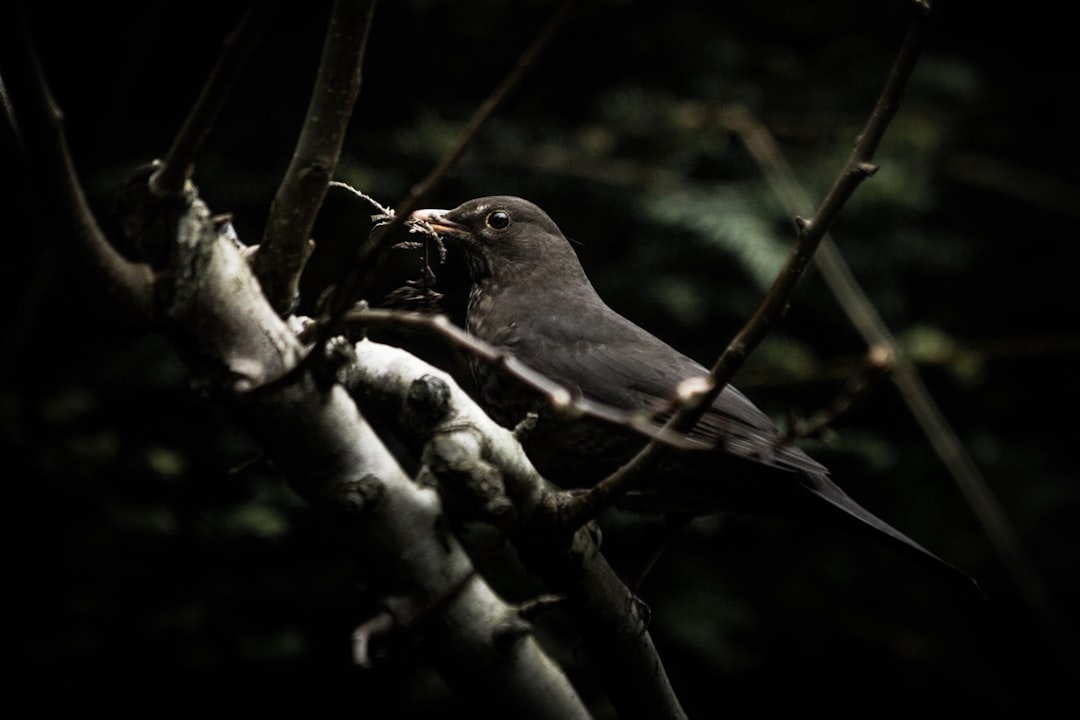
A Remarkable Return: Nightjars Flourish in East Hampshire Heaths
Conservationists are celebrating a significant ecological triumph as recent surveys confirm a thriving population of the elusive European Nightjar (Caprimulgus europaeus) within the lowland heaths of East Hampshire. A comprehensive ecological assessment has identified an impressive 109 nightjar territories, marking a pivotal moment in the species’ recovery and underscoring the profound success of sustained habitat restoration efforts in the region. This encouraging news offers a beacon of hope for biodiversity, demonstrating that dedicated conservation strategies can reverse historical declines for even the most sensitive species.

The European Nightjar, a nocturnal bird famed for its cryptic plumage and distinctive churring call, has long faced significant threats due to habitat loss and fragmentation across the UK. Its remarkable resurgence in East Hampshire serves as a testament to collaborative initiatives focused on preserving and enhancing the unique heathland ecosystems these birds depend upon. The meticulous survey work, which involves tracking individual birds and identifying breeding pairs, provides clear evidence that these vital landscapes are once again providing the optimal conditions for nightjars to breed and raise their young successfully.
Understanding the Enigmatic Nightjar
The European Nightjar is a truly fascinating avian species, often more heard than seen, making its presence in such numbers even more extraordinary. These medium-sized, crepuscular birds are perfectly adapted to their nocturnal existence, hunting insects like moths and beetles on the wing during dusk and dawn. Their scientific name, Caprimulgus, translates to “goatsucker,” stemming from an ancient myth that they milked goats – a misconception likely arising from their habit of feeding close to livestock, where insects are plentiful.
Masters of Camouflage and Nocturnal Hunters
One of the nightjar's most distinctive features is its superb camouflage. Its mottled grey-brown plumage, intricate patterns, and elongated body allow it to blend seamlessly with bark, leaf litter, and heathland vegetation. This incredible natural disguise is crucial for survival, protecting them from predators while they roost silently on the ground during the day. Their large, dark eyes are exquisitely designed for low-light conditions, and their wide, gaping mouth, fringed with bristles, acts as an efficient net for catching flying insects mid-flight. The male's characteristic 'churring' call, a continuous, mechanical sound that can carry for long distances, is a hallmark of summer nights in their preferred habitats.
The Critical Role of Heathland Habitats
Lowland heathlands are exceptionally rare and valuable ecosystems, providing the perfect mosaic of open ground, heather, gorse, and scattered trees that nightjars require. These habitats offer ideal nesting sites on the ground, ample space for foraging, and protection within the dense vegetation. East Hampshire's heathlands, characterized by their sandy soils and specific plant communities, are particularly vital. Historically, these landscapes were more widespread, but agricultural intensification, urban development, and lack of appropriate management led to significant declines, subsequently impacting species like the nightjar that rely on them.
A History of Decline and Conservation Concern
For much of the 20th century, the European Nightjar experienced a severe population decline across the UK, leading to its classification as a species of high conservation concern. The primary drivers were habitat loss and degradation, particularly the conversion of heathlands and open woodlands to other land uses, or their neglect, leading to scrub encroachment and loss of suitable foraging and nesting areas. Without active management, these delicate ecosystems can quickly become overgrown, rendering them unsuitable for nightjars and many other specialist heathland species. The discovery of 109 territories is a clear indicator that these negative trends are being successfully reversed in East Hampshire.
The Driving Forces Behind This Ecological Success Story
The remarkable comeback of the nightjar in East Hampshire is not a natural accident but the direct result of decades of dedicated and strategic conservation efforts. It represents a powerful example of how targeted interventions, backed by scientific understanding and sustained commitment, can yield tangible and inspiring results for wildlife.
Dedicated Habitat Restoration and Management
Central to the nightjar's recovery has been the intensive management and restoration of its heathland habitat. Conservation organizations, landowners, and volunteers have worked tirelessly to maintain and expand suitable conditions. This involves a range of activities, including controlled burning, which mimics natural processes to prevent scrub encroachment and promote the growth of young heather. Mechanical removal of invasive species, such as birch and pine, has also been crucial in preventing the loss of open heathland. Furthermore, careful grazing by livestock is sometimes employed to maintain a diverse vegetation structure, creating the varied landscape that nightjars need for both nesting and foraging.
Collaborative Conservation Initiatives
The success in East Hampshire is a testament to the power of collaboration. Multiple organizations, including national wildlife trusts, local authorities, and government agencies, have pooled resources and expertise. This synergy has allowed for large-scale habitat management across multiple sites, creating interconnected networks of suitable habitat rather than isolated pockets. Long-term monitoring programs have also been essential, providing critical data to assess the effectiveness of interventions and adapt strategies as needed. This integrated approach ensures that efforts are coordinated and maximize the benefit for the nightjar population.
The Impact of Public Awareness and Support
While much of the work happens behind the scenes, public awareness and support play an invaluable role. Understanding the ecological importance of heathlands and the unique needs of species like the nightjar fosters a sense of stewardship. Educational programs, guided walks, and responsible access initiatives help visitors appreciate these sensitive environments without causing disturbance. Financial support from grants, donations, and membership fees to conservation charities also directly fuels the vital work on the ground, enabling the continued restoration and protection of these precious landscapes.
Sustaining the Comeback: Future Challenges and Community Action
While the news from East Hampshire is overwhelmingly positive, the journey to secure the nightjar's long-term future is far from over. Ongoing vigilance and adaptive management will be critical to sustain this comeback and potentially extend it to other regions.
Ongoing Threats to Nightjar Populations
Despite the recent successes, nightjars still face a number of persistent threats. Habitat fragmentation remains a concern, as isolated heathland patches can limit genetic diversity and resilience. Climate change poses an overarching challenge, with potential shifts in insect populations, weather patterns, and vegetation dynamics that could impact breeding success. Human disturbance, particularly from recreational activities such as dog walking off-lead in sensitive nesting areas, can also disrupt breeding birds. Furthermore, predation from generalist predators, whose numbers can sometimes be artificially high, requires careful monitoring.
How You Can Contribute to Conservation
Every individual can play a part in supporting the nightjar's continued recovery. The most important step is to be a responsible visitor to heathland areas, especially during the breeding season (May to August). Keeping dogs on leads, sticking to designated paths, and taking all litter home helps minimize disturbance to ground-nesting birds. Supporting local and national conservation charities through volunteering, donations, or membership directly contributes to habitat management and research. Additionally, educating friends and family about the importance of these unique birds and their habitats can foster a wider appreciation for biodiversity.
A Beacon of Hope for UK Biodiversity
The nightjar's remarkable comeback in East Hampshire stands as a powerful symbol of what can be achieved through dedicated conservation. It demonstrates that with targeted action, collaboration, and public engagement, even the most vulnerable species can recover and thrive. This success story not only secures the future of a truly enigmatic bird but also highlights the broader health of our heathland ecosystems, which support a wealth of other specialized flora and fauna. It offers a compelling blueprint for future conservation efforts across the UK, inspiring continued efforts to protect our precious natural heritage.