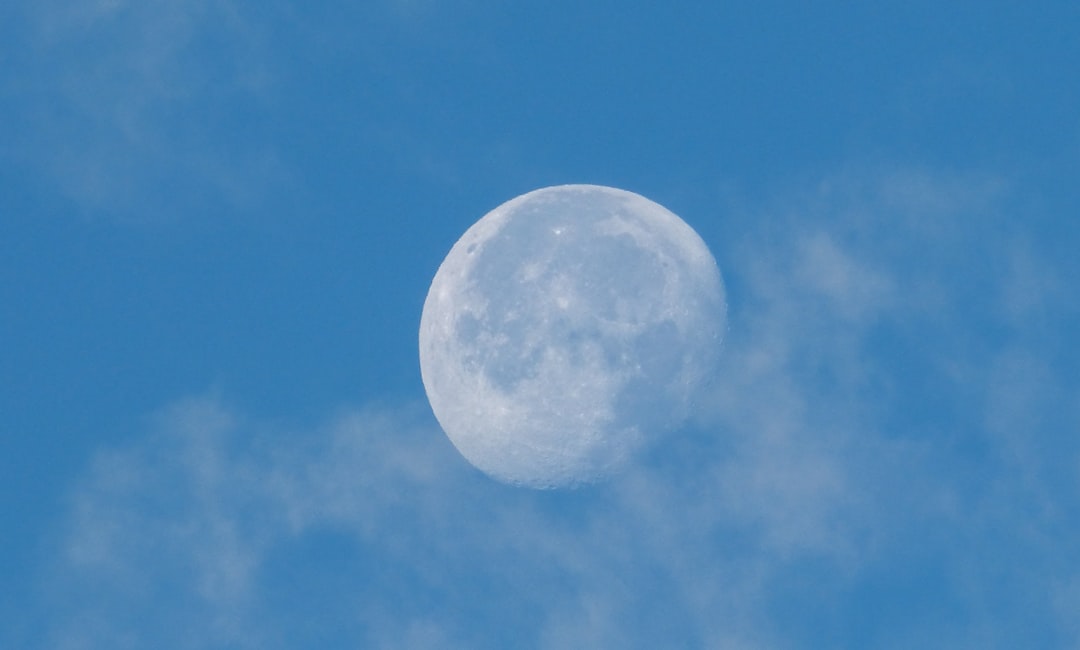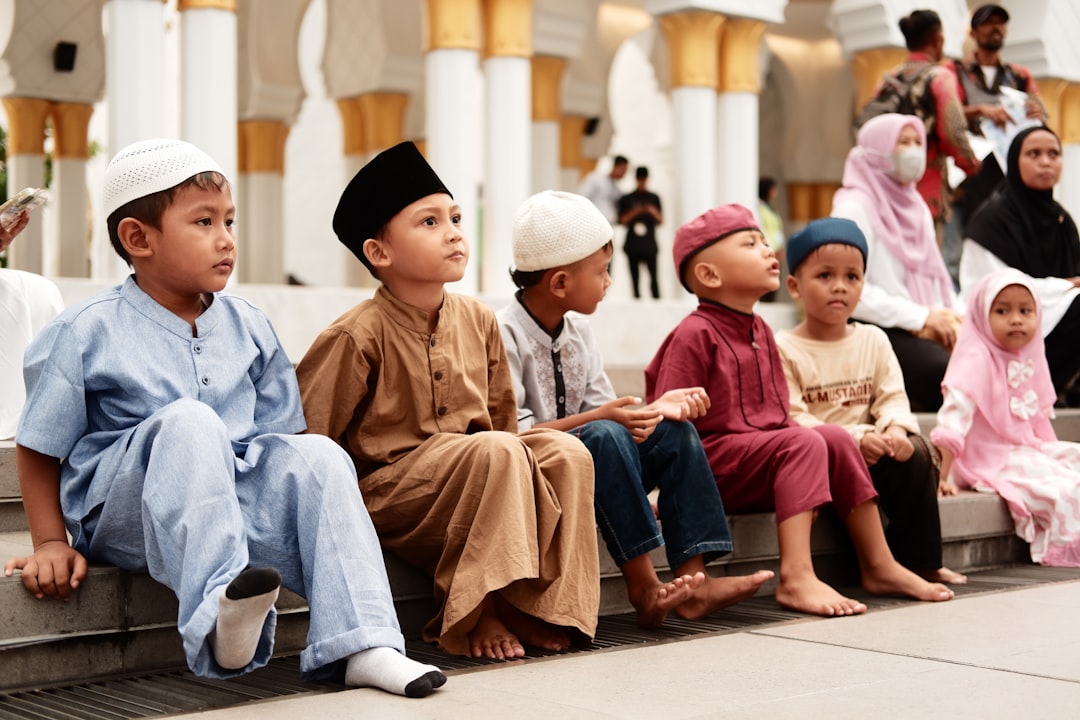
In a heartwarming display of cultural and religious continuity, families and seasoned astronomers are actively collaborating to ensure the venerable tradition of Eid moon sighting thrives for future generations. This vital practice, which determines the precise start of Islamic holy days, is being revitalized through communal gatherings where experienced observers impart their knowledge and skills to eager youngsters, ensuring that a profound connection to faith, community, and the cosmos endures.
One such recent gathering in Shipley saw enthusiastic participants, from curious children to seasoned sky-watchers, meticulously scanning the twilight sky for the elusive sliver of the new moon. This concerted effort underscores a broader movement within Muslim communities globally to maintain a direct, tangible link to an age-old tradition, blending modern scientific understanding with deeply rooted religious observance.
The Profound Significance of Lunar Observation in Islam
The sighting of the new crescent moon, known as the hilal, holds immense religious significance in Islam. It is the celestial marker that dictates the beginning and end of months in the Hijri calendar, a purely lunar calendar. Unlike solar calendars, which are fixed, the Islamic calendar's dates shift annually relative to the Gregorian calendar, making direct moon observation crucial for determining pivotal religious occasions.

The most prominent of these occasions are the start of Ramadan, the holy month of fasting, and the two major Eids: Eid al-Fitr (marking the end of Ramadan) and Eid al-Adha (the Feast of Sacrifice). The commencement of these sacred periods is often contingent on the verified sighting of the crescent moon, following prophetic tradition (Sunnah) that emphasizes visual confirmation over purely astronomical calculations for congregational worship. This adherence fosters a sense of unity and shared anticipation within the global Muslim community, as millions await the official announcement based on corroborated sightings.
While modern astronomy can precisely predict when a new moon will technically occur, and even when it might become visible, many Islamic scholars and communities still advocate for actual visual confirmation. This practice is not merely about adhering to a historical method; it is seen as an act of worship, a communal effort to connect with the divine signs in the heavens, and a way to reinforce collective identity and responsibility.
A Harmonious Blend of Tradition and Modern Astronomy
The pursuit of the hilal is a fascinating intersection of ancient tradition and contemporary scientific understanding. Moon spotters are not simply gazing aimlessly; they are equipped with a nuanced understanding of celestial mechanics, often enhanced by modern tools.
Understanding the Elusive Crescent
Spotting the new moon is no easy feat. The crescent often appears as a very thin, faint arc, low on the western horizon shortly after sunset, typically within 24-48 hours after the astronomical 'new moon' conjunction. Factors such as atmospheric haze, cloud cover, and light pollution can obscure its visibility. Experienced observers know to look for specific conditions: a clear western horizon, a specific window of time after sunset, and an understanding of the moon's expected position and altitude based on astronomical data.
While the core principle remains direct observation, modern aids like high-powered binoculars and telescopes are increasingly utilized. Astronomers often provide detailed visibility maps and parameters, guiding community members on where and when to best direct their gaze. This collaborative approach ensures that traditional methods are informed by precise scientific predictions, increasing the chances of successful sightings and minimizing ambiguity.
The Role of Scientific Verification
Beyond individual sightings, a network of expert astronomers and religious scholars often works to verify reports. They assess factors like the moon's age, altitude above the horizon, and elongation from the sun at the time of sighting. This rigorous verification process ensures that announcements of Eid are based on credible and consistent evidence, upholding both religious principles and scientific integrity. This symbiotic relationship between lay observers and scientific experts is crucial for maintaining the credibility and unity of lunar calendar determinations.
Nurturing Community and Bridging Generations
Perhaps the most beautiful aspect of the moon sighting tradition is its profound role in fostering community bonds and ensuring the intergenerational transfer of invaluable skills and cultural heritage. The gatherings themselves become vibrant social events, rich with shared purpose and camaraderie.
The Art of Observation: Skills Passed Down
At the heart of these gatherings is the mentorship of elders and experienced spotters. They teach younger participants not just where to look, but how to look. This involves cultivating patience, sharpening observational skills, and understanding the subtle cues of the natural environment. Children learn to distinguish the faint crescent from atmospheric phenomena, distant lights, or even aircraft. They are taught about the phases of the moon, the movement of celestial bodies, and the importance of a clear horizon.
More than technical skills, these sessions instill a sense of responsibility and connection to tradition. Youngsters learn the stories and significance behind the practice, understanding that they are part of a continuous chain of observers stretching back centuries. This hands-on learning experience is far more impactful than theoretical instruction, embedding the tradition deeply within their understanding and identity.
Fostering Unity and Shared Experience
Communal moon sightings create powerful shared experiences. Families come together, often bringing picnics and blankets, transforming the observation into a memorable outing. The collective anticipation as the sun dips below the horizon, the quiet concentration, and the eventual cheer of a successful sighting (or the shared disappointment if the moon remains hidden) forge strong bonds. These moments transcend mere religious duty; they become cherished family memories and reinforce community solidarity, uniting diverse individuals under a common purpose.
The Enduring Legacy of the Crescent Watchers
In an increasingly digitized world, where information is instantaneous and often dislocated from direct experience, the tradition of moon sighting offers a powerful antidote. It encourages individuals to look up from their screens, connect with the natural world, and engage in a communal activity that strengthens faith and heritage.
The commitment of communities, like those gathering in Shipley, to proactively involve the next generation is vital. It safeguards against the potential erosion of this unique practice due to modern conveniences or a disconnect from nature. By actively teaching and sharing, current moon spotters are not just preserving a method of calendar determination; they are ensuring that future generations inherit a rich legacy of observation, community, and spiritual connection. This enduring dedication ensures that the ancient art of crescent watching will continue to inspire and unite for years to come, keeping the celestial rhythm of the Islamic calendar alive and vibrant.