The Unsung Value of Laughter: Comedy's Societal and Economic Contributions
Comedy, at its core, is far more than mere entertainment. It serves as a vital artery within the cultural landscape, offering profound benefits that extend across individual well-being and broader societal health. From providing much-needed stress relief in tumultuous times to acting as a sharp lens for social commentary, comedy fosters critical thinking, encourages empathy, and builds a sense of community. When we laugh together, we connect, challenge perspectives, and collectively process the absurdities of life. This collective experience is irreplaceable and contributes significantly to the mental and emotional resilience of a population.
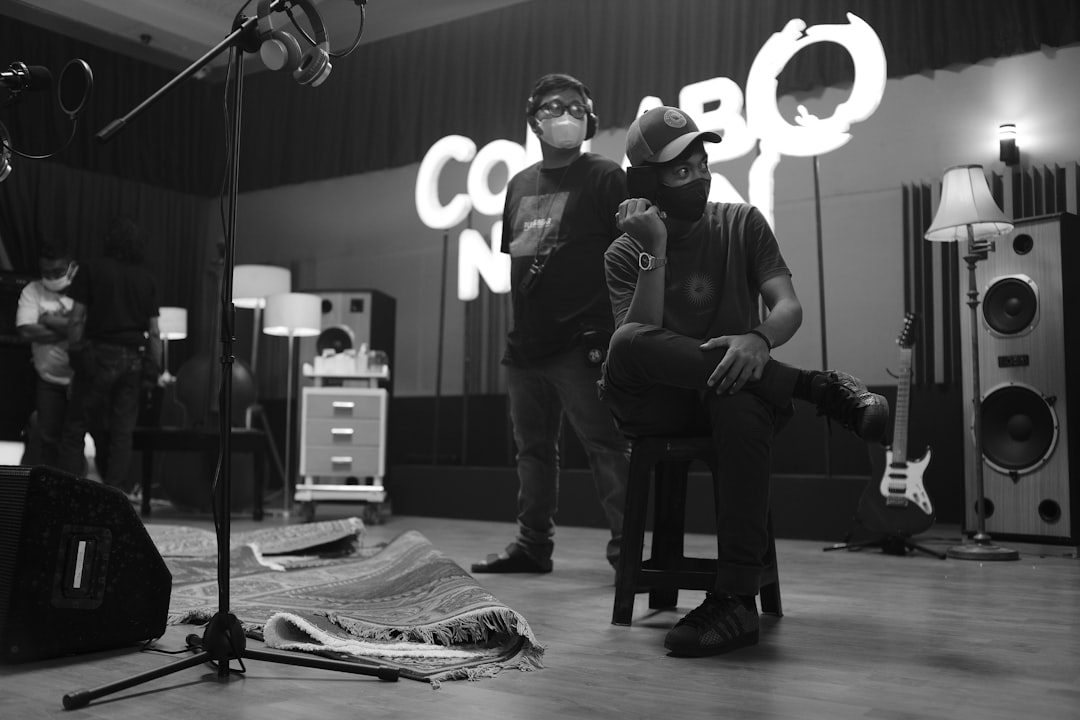
Beyond its intrinsic cultural value, the comedy industry is also a significant, though often underestimated, economic driver. Live comedy venues, whether intimate clubs or grand theatres, generate revenue through ticket sales, food, and beverage services. This activity supports local economies by creating jobs for performers, technicians, bar staff, security, and administrative personnel. Furthermore, comedy festivals attract tourists, boosting hospitality sectors, public transport, and local retail. The ripple effect of a thriving comedy scene extends to hotels, restaurants, and other ancillary businesses, making it a valuable contributor to both national and local economies.
Navigating the Financial Tightrope: Challenges for Comedians and Venues
The Precarious Path of the Artist
For many aspiring and even established comedians, the path to sustained success is fraught with significant financial challenges. Unlike more traditional careers, a comedian's income often begins with unpaid open mic nights, gradually progressing to low-paying gigs at small clubs. Travel costs, especially for those touring regional circuits, quickly accumulate, encompassing fuel, accommodation, and often, equipment transport. The craft itself demands countless hours of writing, refining material, and rehearsing – all uncompensated labor. Developing a strong, unique voice and a compelling set takes years, during which financial instability is a constant companion. Many artists lack access to stable income, health insurance, or retirement plans, leading to a precarious existence where passion often outweighs financial security.
The Squeeze on Grassroots Venues
Grassroots comedy venues are the lifeblood of the industry, serving as essential incubators where new talent can hone their skills and experimental acts can flourish. However, these vital spaces face immense financial pressure. Operating costs are perpetually on the rise, including rent, utilities, staffing, insurance, and increasingly complex licensing requirements. Margins are often razor-thin, making it difficult to invest in sound equipment, lighting, or crucial marketing efforts. Competition from larger, more commercial venues or alternative entertainment options further strains their ability to generate sufficient revenue. Without adequate support, these independent venues are at risk of closure, threatening the very ecosystem that nurtates future comedic stars.
The Real Cost of Underinvestment: What the Comedy World Stands to Lose
Diminished Diversity and Innovation
A lack of funding creates significant barriers to entry for emerging artists, particularly those from underrepresented backgrounds. When the financial risks are too high, pursuing a career in comedy becomes an exclusive privilege, largely accessible only to those with existing financial safety nets. This leads to a less diverse comedic landscape, where vital voices and unique perspectives are stifled before they even have a chance to develop. Underinvestment also discourages experimentation. When artists are constantly worried about making ends meet, they are less likely to take creative risks, leading to a proliferation of safer, more conventional material. This ultimately limits the art form's ability to evolve, challenge norms, and innovate.
Talent Drain and Mental Health Impacts
The persistent financial strain associated with a comedy career inevitably leads to talent drain. Many highly skilled and promising comedians are forced to leave the industry, not due to a lack of talent or passion, but simply because they cannot sustain themselves financially. This loss represents an immeasurable blow to the cultural sector. Furthermore, the combination of financial insecurity, constant travel, irregular hours, and the pressure to perform at a high level can have severe detrimental effects on performers' mental health. Rates of anxiety, depression, and burnout are disproportionately high within the entertainment industry, and a lack of proper support and funding only exacerbates these issues, preventing artists from thriving both personally and professionally.
Erosion of Cultural Infrastructure
The closure of independent comedy venues represents more than just the loss of a business; it signifies the erosion of crucial cultural infrastructure. These venues are often community hubs, offering local entertainment and fostering a sense of belonging. Their disappearance can leave cultural voids, reducing opportunities for local artists, diminishing nightlife options, and impacting the overall vibrancy of a community. Over time, a decline in grassroots venues can lead to a less robust and less dynamic comedy scene overall, making it harder for new generations of performers to find platforms and for audiences to discover fresh talent.
Forging a Sustainable Future: Pathways to Support the Comedy Industry
The Role of Government and Public Funding
Governments and public bodies have a critical role to play in recognizing comedy as a legitimate and valuable art form, worthy of public investment. This can manifest through dedicated arts grants, cultural investment funds, and tax relief programs specifically tailored for the performing arts. By providing stable funding, governments can support artist development, subsidize venue operational costs, and encourage the creation of new works. Such investment acknowledges comedy's contribution to national culture, well-being, and economic activity.
Private Sector and Philanthropic Engagement
Beyond public funding, the private sector and philanthropic organizations can significantly contribute to the sustainability of the comedy industry. Corporate sponsorships can provide vital financial backing for festivals, tours, and specific venues, offering companies unique branding opportunities while directly supporting the arts. Individual philanthropic donations, endowments, and grants from arts foundations can fund artist residencies, development programs, and initiatives aimed at fostering diversity and inclusion within comedy. Engaging with these private avenues opens up diverse funding streams that can complement public investment.
Audience Empowerment and Community Action
The audience holds immense power in sustaining the comedy industry. Simply buying tickets to live shows, especially at local independent venues, directly supports artists and the spaces they perform in. Purchasing merchandise, spreading positive word-of-mouth, and engaging with artists on social media all contribute to their visibility and financial viability. Beyond direct consumption, community action can involve volunteering at local venues, participating in crowdfunding campaigns for specific projects, or even advocating for local arts funding to municipal councils. Every action, no matter how small, helps to build a robust support system.
Industry-Led Solutions and Collaboration
The comedy industry itself can implement various strategies to foster greater sustainability. This includes collective bargaining efforts to ensure fairer pay and better working conditions for performers. Shared resource initiatives, such as co-working spaces for writers or shared equipment pools, can reduce individual costs. Mentorship programs can help emerging artists navigate the complexities of the industry, while professional development workshops can enhance business acumen. Collaboration between artists, venues, agents, and promoters can lead to more efficient touring models, shared marketing efforts, and ultimately, a more resilient and interconnected industry.
Advocating for the Arts: Making Your Voice Heard
Ensuring the long-term health of the comedy industry requires active advocacy from all stakeholders. Artists, industry professionals, and fans alike can champion the cause by engaging with policymakers at local and national levels, highlighting comedy's cultural and economic importance. This can involve writing to elected officials, participating in public consultations, or joining arts advocacy groups. Raising awareness through social media campaigns, public discussions, and educational initiatives helps to shift public perception, ensuring that comedy is not just seen as frivolous entertainment, but as a crucial component of a vibrant society deserving of sustained support and investment. By working together, we can ensure that laughter continues to be a serious, valued, and well-supported art form for generations to come.