Understanding Black Rain: Environmental Fallout from Air Strikes on Oil Infrastructure
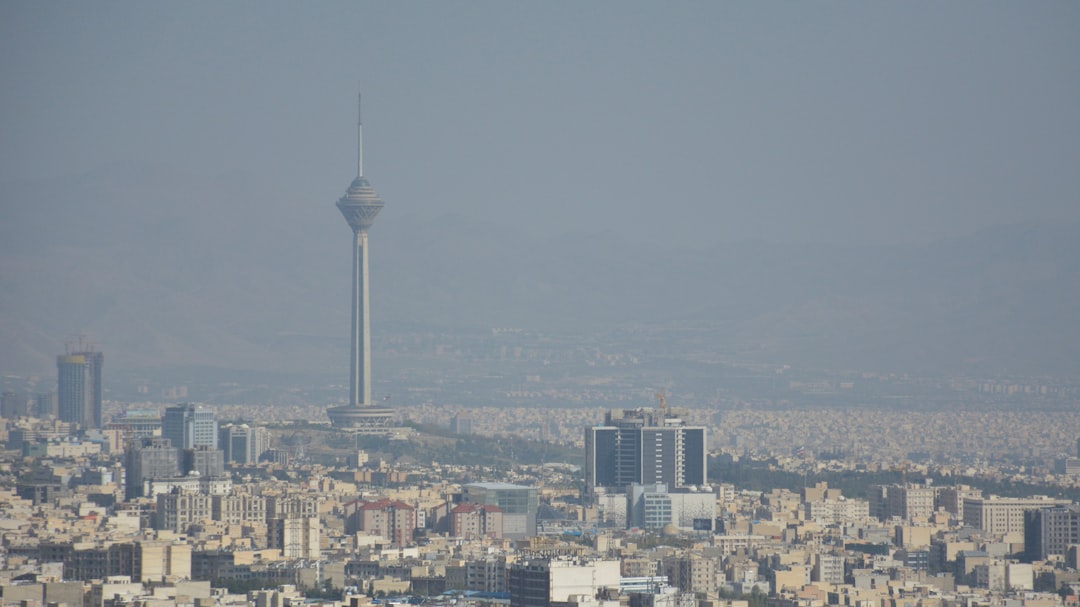
Recent military actions targeting oil facilities in the Tehran region have led to a disturbing environmental phenomenon: the occurrence of “black rain.” This unusual precipitation, observed in areas affected by the aftermath of damaged petroleum infrastructure, is a direct consequence of the massive plumes of smoke and soot released into the atmosphere from burning oil. At least four key oil installations have sustained damage since military operations began last month, triggering a cascade of environmental concerns that extend far beyond the immediate impact zones.
The appearance of black rain signals a severe level of atmospheric pollution, indicating that vast quantities of unburnt hydrocarbons and particulate matter have been injected into the air. When these airborne pollutants mix with moisture in the clouds, they are scavenged by raindrops, leading to precipitation that is visibly darkened and chemically contaminated. This article delves into the science behind black rain, its broader ecological and health implications, and the long-term challenges posed by such environmental catastrophes.
The Chemistry and Formation of Black Rain
Black rain is not merely rainwater colored by soot; it is a complex mixture of water, particulate matter, and various chemical compounds resulting from the incomplete combustion of crude oil and its derivatives. When oil facilities, such as refineries, storage depots, or pipelines, are struck and ignite, they unleash enormous quantities of smoke. This smoke is primarily composed of carbonaceous soot, but also contains a cocktail of other hazardous substances, including volatile organic compounds (VOCs), polycyclic aromatic hydrocarbons (PAHs), sulfur dioxide, nitrogen oxides, and heavy metals.
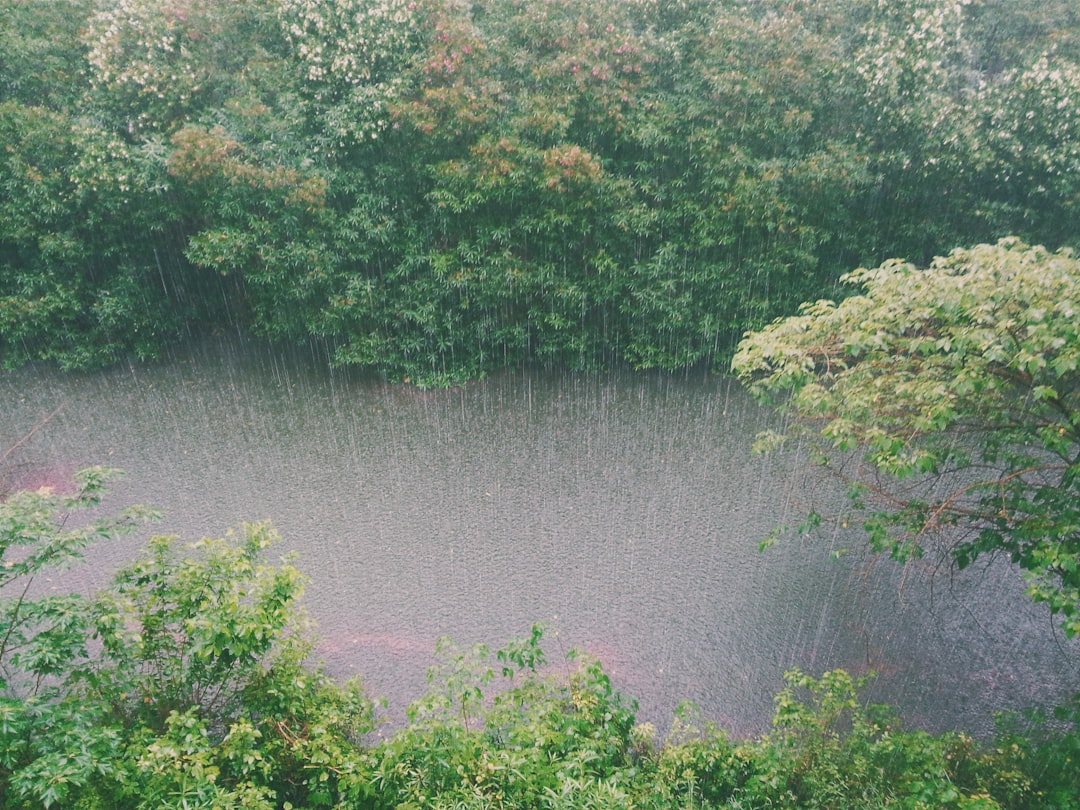
The sheer scale of these fires means that combustion is often inefficient, leading to a high proportion of unburnt carbon particles. These particles, microscopic in size, are lofted high into the atmosphere by the intense heat of the fires. Once airborne, they can travel considerable distances, influenced by prevailing wind patterns. As these plumes encounter clouds or atmospheric moisture, the soot and other aerosols act as condensation nuclei, providing surfaces for water vapor to condense upon. Alternatively, falling raindrops can directly absorb and wash out these pollutants from the air, a process known as wet deposition. The result is rain that carries a dark, oily, and often toxic residue.
Historical Precedents and Scientific Understanding
The phenomenon of black rain is not unprecedented. One of the most stark examples occurred during the 1991 Gulf War, when hundreds of oil wells in Kuwait were set ablaze, burning for months. The fires produced immense smoke clouds that darkened the sky, lowered ambient temperatures, and resulted in widespread black rain across the region and even further afield. Similarly, historical events like the atomic bombings of Hiroshima and Nagasaki also led to accounts of black rain, though in that context, the particulate matter was primarily radioactive fallout and debris from the urban conflagrations.
Scientists have extensively studied the atmospheric transport and deposition of pollutants from large-scale fires. The physical and chemical properties of the particulate matter, including its size, composition, and hygroscopicity (ability to absorb moisture), dictate how efficiently it contributes to black rain and how far it can travel. The combination of intense heat, massive fuel sources, and specific meteorological conditions creates a perfect storm for this form of environmental fallout.
Environmental and Ecological Impacts
The environmental repercussions of black rain are profound and multifaceted, affecting air, soil, water, and ultimately, the delicate balance of ecosystems.
Air Quality Degradation
Long before it falls as rain, the massive smoke plumes significantly degrade air quality. Particulate matter (PM2.5 and PM10), a primary component of the smoke, can penetrate deep into the lungs, posing severe respiratory risks to human populations and wildlife. The presence of sulfur dioxide and nitrogen oxides can also lead to acid rain, further harming vegetation and aquatic life. Visibility is drastically reduced, impacting transportation and daily life.
Soil and Agricultural Contamination
When black rain falls, it deposits a layer of soot and chemical contaminants onto the ground. This can lead to the contamination of agricultural land, rendering crops unsafe for consumption. The heavy metals and PAHs present in the residue can accumulate in the soil, affecting soil fertility and potentially entering the food chain through plant uptake. Long-term soil contamination can devastate agricultural productivity, impacting local economies and food security.
Water Resources Pollution
Surface water bodies, including rivers, lakes, and reservoirs, are highly vulnerable to contamination from black rain. The oily residue can form sheens on water surfaces, blocking sunlight essential for aquatic photosynthesis and depleting oxygen levels, which is detrimental to fish and other aquatic organisms. Groundwater sources can also be affected as contaminants leach through the soil. This poses a significant risk to drinking water supplies and aquatic biodiversity.
Impact on Flora and Fauna
Vegetation exposed to black rain can become coated with a thick layer of soot, impeding photosynthesis and potentially leading to plant death. This can have cascading effects throughout ecosystems, disrupting food webs. Animals may ingest contaminated forage or water, leading to internal organ damage, reproductive issues, or chronic illnesses. Birds and other animals can also suffer from external contamination, affecting their ability to fly, forage, or regulate body temperature.
Human Health Risks and Socio-Economic Consequences
The immediate and long-term health implications for populations living near or downwind of these incidents are a grave concern. Exposure to the pollutants associated with black rain can lead to a range of health issues.
Immediate Health Concerns
In the short term, individuals exposed to the smoke and black rain may experience respiratory problems such as coughing, wheezing, and shortness of breath. Eye irritation, skin rashes, and headaches are also common. Vulnerable groups, including children, the elderly, and those with pre-existing respiratory conditions like asthma, are particularly at risk of acute health crises.
Long-Term Health Risks
Chronic exposure to the cocktail of chemicals present in oil fire smoke and black rain carries more severe long-term risks. PAHs are known carcinogens, increasing the likelihood of various cancers. Heavy metals can accumulate in the body, leading to neurological damage, kidney failure, and developmental problems. Persistent exposure to fine particulate matter is linked to chronic obstructive pulmonary disease (COPD), cardiovascular diseases, and even premature death.
Socio-Economic Disruptions
Beyond health, the socio-economic fabric of affected regions can be severely damaged. Agricultural losses can lead to economic hardship for farmers and potential food shortages. Contaminated water sources necessitate costly treatment or reliance on imported water, straining local budgets. Fishing industries may collapse due to polluted waters. The need for extensive environmental cleanup and remediation efforts places a significant financial burden on governments and communities, diverting resources from other essential services. Moreover, the psychological toll on communities living under the shadow of such environmental devastation can be profound, leading to stress, anxiety, and displacement.
Mitigation, Remediation, and Future Preparedness
Addressing the aftermath of black rain events requires a multi-pronged approach involving emergency response, environmental remediation, and strategic planning for future prevention.
Emergency Response and Monitoring
Immediate actions typically involve monitoring air quality and water sources to assess the extent of contamination. Public health advisories are crucial to inform residents about protective measures, such as staying indoors, using air purifiers, and avoiding contaminated water. Humanitarian aid may be required to provide clean water, food, and medical assistance to affected populations.
Environmental Remediation Challenges
Cleaning up the environmental damage caused by black rain and oil fires is an arduous and long-term endeavor. Soil remediation may involve removing contaminated topsoil, bioremediation techniques using microbes to break down pollutants, or phytoremediation using plants to absorb contaminants. Water treatment facilities need to be upgraded or established to purify contaminated water. Restoring ecosystems, especially delicate wetlands and agricultural lands, can take years, even decades, and requires significant investment and scientific expertise.
Preventive Measures and International Cooperation
Ultimately, the most effective strategy is prevention. Protecting critical civilian infrastructure, especially those with high environmental risks like oil facilities, from military conflict is paramount. International humanitarian law often addresses the protection of the environment in armed conflict, but enforcement remains a challenge. Promoting diplomatic solutions and de-escalation can prevent such catastrophic environmental consequences. Furthermore, developing robust emergency response plans and enhancing the resilience of infrastructure against potential attacks can mitigate future damage and reduce the severity of environmental fallout.
The black rain falling over the Tehran region serves as a stark reminder of the devastating environmental and human costs of conflict, underscoring the urgent need for global efforts to protect both people and the planet from the unintended consequences of hostilities.